What Makes French Food French?
Every country has food. France has a philosophy.
French people don’t buy strawberries in January. They don’t eat dinner at 6pm. They won’t skip the cheese course, even on a Tuesday. These aren’t rules anyone teaches you. They’re just how things work, it’s in the culture of French food. Eating out-of-season produce seems pointless. Having dinner before 7:30pm feels strange. Skipping cheese after the main course leaves the meal feeling incomplete.
French food culture runs deeper than recipes or restaurants. It’s how people shop, when they eat, and what they refuse to compromise on. Once you crack the code, everything else makes sense.
French food culture as a system
Three things define French food culture: seasonality, regionality, and quality. They’re not separate concepts. They work together as one complete system.
Seasonality drives everything
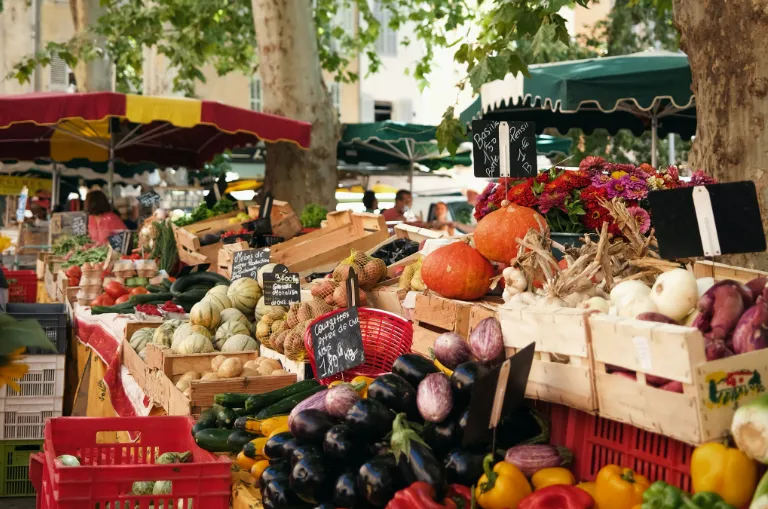
French people won’t buy tomatoes in December or asparagus in October. Not because they can’t, supermarkets stock them year-round, but because they taste rubbish out of season. A June strawberry tastes sweet and fragrant. A January strawberry has texture but no flavour. Why waste money on disappointment?
This creates natural variety throughout the year. Ratatouille happens in August when courgettes and aubergines are brilliant. Pumpkin soup appears in October when squash is everywhere. Spring means asparagus, eaten constantly for two months until it disappears.
French cooking adapts to what’s good right now, not what a recipe demands. The market on Saturday morning dictates the week’s meals. Brilliant tomatoes? Tomato tart for lunch. Perfect courgettes? Courgette gratin for dinner. The produce drives the menu, not the other way round.
1
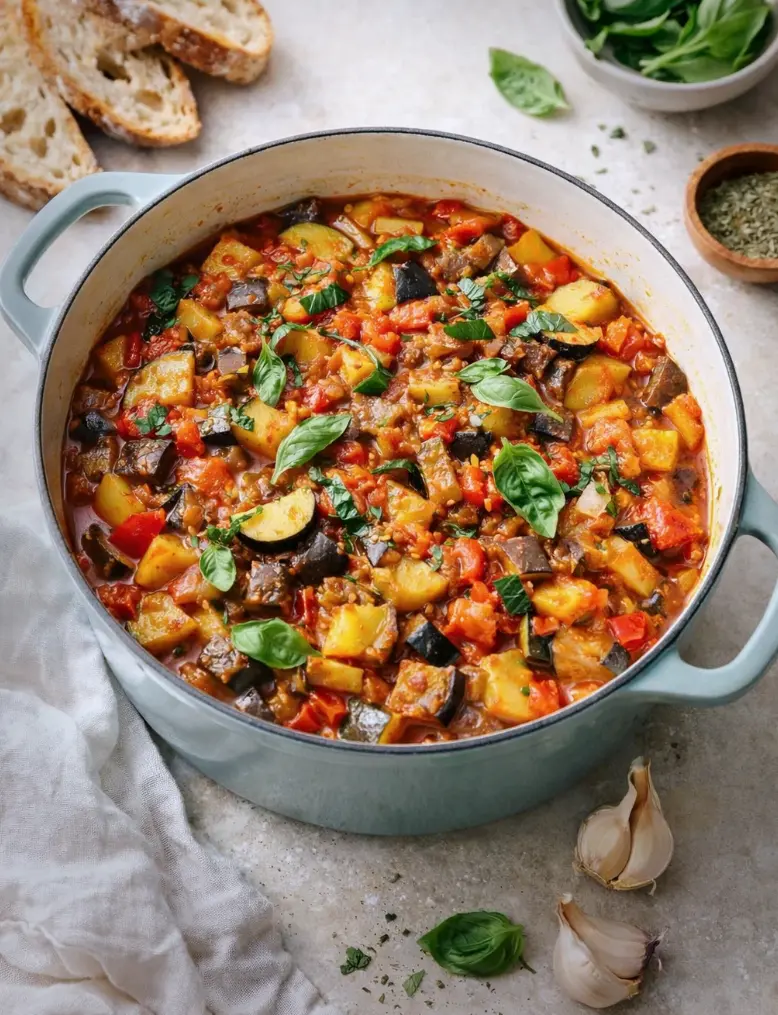
Ratatouille
Aubergines, courgettes, peppers, and tomatoes slow-cooked in olive oil until they've all melted together into this silky, jammy stew. Each vegetable keeps its own flavor but everything's infused with garlic, herbs, and that fruity Provençal olive oil. It tastes like concentrated summer, sweet, savory, rich with olive oil, fragrant with thyme and basil. Brilliant warm, somehow even better the next day when the flavors have had time to properly meld. Simple market vegetables that become surprisingly addictive.
Get the recipe →Regional Identity Matters
French people care intensely where food comes from. Butter from Normandy tastes different from butter from Charentes. Provence olive oil serves a different purpose than Burgundy walnut oil. Puy lentils come from Le Puy-en-Velay, and nowhere else can legally call their lentils that.
This geographical specificity exists because certain regions genuinely do certain things better. Normandy has the right climate and cows for excellent butter. The volcanic soil around Le Puy produces superior lentils. These aren’t marketing claims, the differences are noticeable.
Cheese vendors can tell you which region a cheese comes from, which producer made it, whether the milk came from summer or winter. This level of detail matters. Camembert from Normandy has specific flavour notes you won’t find in generic supermarket Camembert made elsewhere.
Tourist restaurants serve “French food.” Local restaurants serve regional food. The distinction is important.
Quality beats quantity every single time
One perfect tomato matters more than five mediocre ones. A small piece of excellent cheese beats a large chunk of bland supermarket stuff. French people would rather eat less of something brilliant than more of something average.
You see this at markets. People spend time choosing produce, asking questions, building relationships with vendors. They’ll pay more for the good strawberries because the good strawberries actually taste like strawberries.
How French People Actually Eat
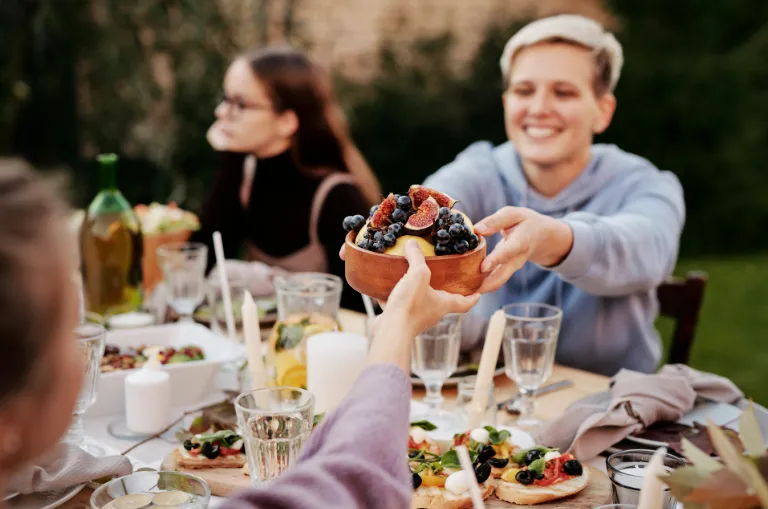
The daily reality of French eating follows patterns most tourists never see. These aren’t rules for special occasions, they’re how lunch works on a random Thursday.
Meal Structure Is Standard
Every proper French meal follows the same progression: starter, main course, cheese, dessert. At home, at restaurants, weekdays and weekends. A simple Thursday dinner might be grated carrots with a good vinaigrette made with quality white wine vinegar, then pasta with courgettes, then a piece of Comté, maybe some fruit. Nothing fancy. Still four courses.
The cheese course comes after the main, before dessert. Always. You eat it with the bread that’s been on the table throughout the meal. The plate gets cleared, you keep your wine glass, and the cheese bridges savoury to sweet. This structure creates rhythm. Each course has a purpose. The starter wakes up your appetite, the main satisfies it, cheese lets your stomach settle whilst finishing the wine, dessert completes things.
Bread stays on the table throughout because it has jobs to do. You use it to push food onto your fork. You wipe your plate with it between courses. You eat it with cheese. It’s not just an accompaniment, it’s functional.
Meal Times Are Sacred
French restaurants close between 2pm and 7pm because nobody eats then. Lunch service runs from 12pm to 2pm. Dinner service starts around 7:30pm. These times aren’t flexible. Tourists often struggle with this. They want lunch at 3pm and find every kitchen closed. Not because restaurants are being difficult, because the meal service has finished. The next meal hasn’t started yet.
Even working people get proper lunch breaks. An hour minimum, often ninety minutes. They sit down, eat multiple courses, don’t work whilst eating. This creates a clear division between work time and meal time.
The rigidity creates time to appreciate your meal. You know when you’re eating. You plan around it. Meals become events rather than fuel stops squeezed between other activities.
Market Shopping Is Normal
Every French town has a market at least once weekly. Larger towns have them two or three times. People go, buy what looks good, and that drives what they cook. Market vendors give free cooking advice. They’ll tell you these courgettes are perfect for eating raw, those need cooking. These tomatoes want roasting, those are brilliant in salad. This expertise comes free with your vegetables.
You can’t shop at markets with rigid meal plans because you don’t know what’ll be good until you see it. The produce available dictates the menu. This creates seasonal eating automatically, asparagus appears in April, you eat asparagus. It disappears in June, you move on.
What Tourists Get Wrong About French Food
Escargot and Frog Legs Aren’t Everyday Food
Only a few eat snails when it’s in season. Frog legs appear at traditional restaurants and regional festivals, not so much at family dinner tables. Daily French food means quiche, ratatouille, vegetable gratins, salads, tarts, omelettes. Roasted vegetables with good olive oil. Fresh pasta with seasonal sauce. Onion soup. Leek and potato soup. Things that take one good ingredient and treat it well. The frogs legs exists, but it’s special occasion food. Regular eating is simpler, more vegetable-focused, and far less intimidating than most people expect.
French Food is always “Haute Cuisine”
The reputation for complexity comes from restaurant cooking. Home cooking is different. Most French recipes use five to seven ingredients maximum. The technique matters, how you slice the vegetables, what temperature you cook them, when you add the salt, but you don’t need special equipment or complicated steps. You need good ingredients and attention to detail.
French people would rather make something simple brilliantly than attempt something complicated badly. A perfect omelette beats a mediocre soufflé every time.
Paris Misses the Point
Paris has excellent food, obviously. But regional France is where food culture lives and breathes. In Normandy, everything involves butter and cream and apples. In Provence, olive oil and garlic and tomatoes. In Brittany, galettes Bretonnes and salted butter. In Lyon, vegetable gratins and fresh cheeses. Each region has ingredients it does better than anywhere else.
Tourists who only eat in Paris miss the diversity. French food isn’t one cuisine, it’s twenty regional cuisines under one umbrella. The differences matter more than the similarities.
2
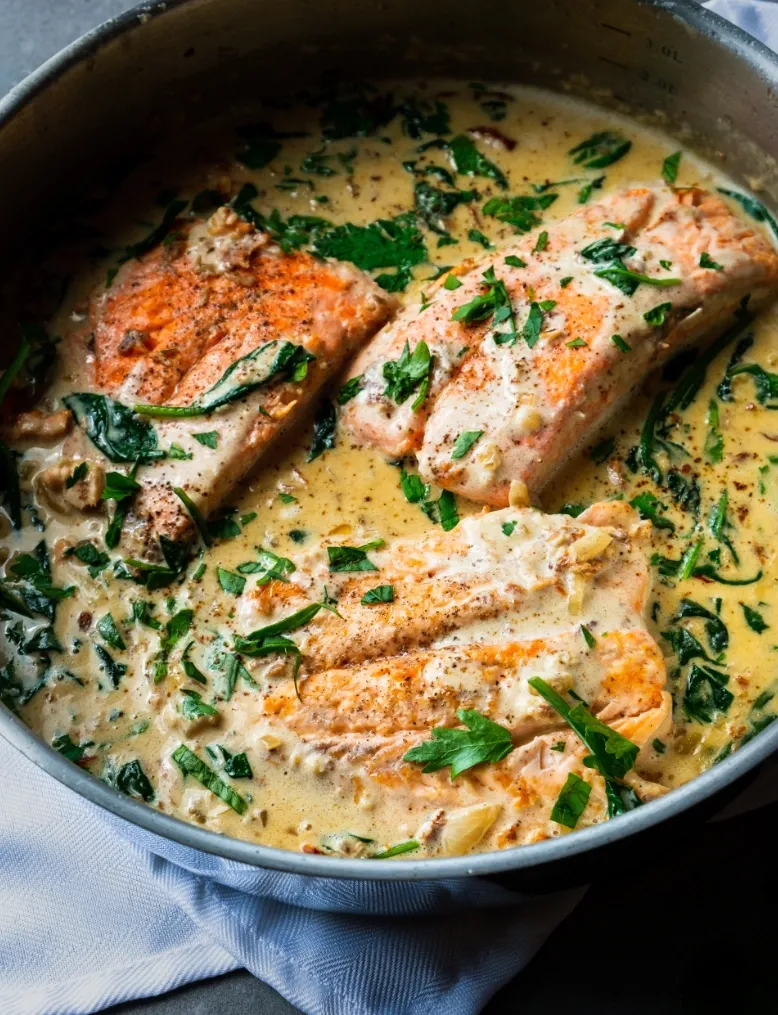
Saumon à la Florentine
Salmon fillets seared until golden, then nestled into a silky sauce of cream, white wine and wilted spinach. This is saumon à la Florentine, a proper French bistro dish that looks impressive but takes about half an hour from start to finish. One pan. Minimal washing up. Maximum smugness.
Get the recipe →Cooking with Wine Is Standard
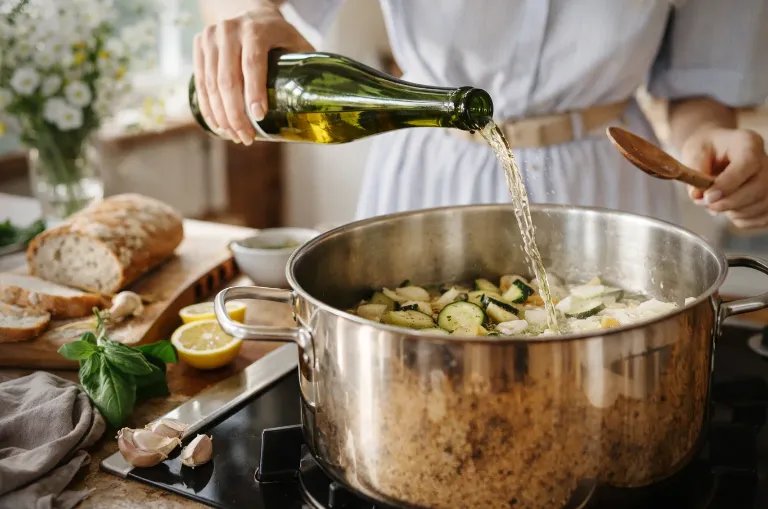
French people cook with wine constantly. Wine adds acidity and depth to sauces, deglazes pans to catch all the flavour stuck to the bottom, and reduces down to concentrate flavour in braises and stews. It’s a cooking ingredient as common as olive oil.
The rule is simple: if you wouldn’t drink it, don’t cook with it. “Cooking wine” doesn’t exist in French kitchens. You use regular wine because the flavour matters. Bad wine makes bad sauce.
White wine goes in lighter dishes like mussels, or vegetables, creamy sauces, basically anything delicate. Red wine suits heartier cooking, mushroom Bourguignon, rich tomato sauces, bean stews. The tannins in red wine can turn bitter with certain ingredients, so white wine is usually safer for vegetable-based cooking.
Most French home cooks keep an open bottle of white wine in the fridge specifically for cooking. It lasts about a week once opened, longer than you’ll need it because you use it several times a week. See my wine-based recipes here, if you’re in the mood for a French touch.
Essential French Ingredients
French cooking relies on a small number of quality ingredients used repeatedly. Stock these and most classic French recipes become straightforward.
Butter makes a difference
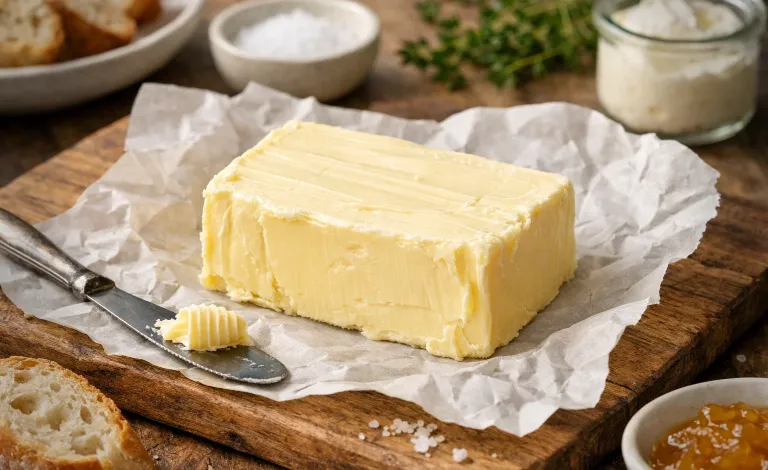
French butter contains more fat (82-84% versus 80% elsewhere) and has actual flavour. Normandy butter (beurre de Normandie) is rich and creamy. Charentes butter (beurre Charentes-Poitou) is slightly sweeter. Both beat generic supermarket butter comprehensively.
Salted butter (beurre demi-sel) comes from Brittany and contains visible salt crystals. You use it on bread, radishes, vegetables. Unsalted butter (beurre doux) goes in pastry and most cooking.
Understanding what French butters are makes all the difference. Pastry, butter sauces, and anything where butter provides the main flavour need quality butter. Recipes with lots of competing flavours can manage with cheaper options.
Bread gets bought daily
A proper baguette contains only flour, water, salt, and yeast. No preservatives. It goes stale within hours, so French people buy it fresh daily, sometimes twice daily.
Bread has specific jobs at the table. You use it to push food onto your fork. You wipe your plate with it between courses. You eat it with cheese. You don’t butter it unless it’s breakfast.
Different breads suit different purposes. The French baguette remains standard for daily eating. Pain de campagne works better with cheese. Pain complet suits breakfast. If you can’t buy bread daily, pain de campagne keeps longer than baguette.
Cheese is daily, not special occasion
French people eat cheese every day. Not elaborate cheese boards, one or two good pieces, bought for that day or the next, served at room temperature after the main course. Regional varieties matter enormously. Comté from Jura tastes different from Beaufort from the Alps despite both being mountain cheeses. Young Comté is sweet and nutty, aged Comté develops crystals and complexity. You pair cheese with appropriate accompaniments. Chèvre with honey. Roquefort with walnuts. Comté with cornichons. The combinations follow regional logic.
Learning cheese means learning regions. Once you understand where cheese comes from and what animals make it, choosing becomes easier.
Flaky sea salt transforms simple food
Fleur de sel isn’t regular sea salt. It’s the thin crust of crystals that forms on the surface of salt ponds, hand-harvested in specific coastal regions. The crystals are larger, flakier, and have a mineral complexity table salt completely lacks. A tomato salad with good olive oil and proper fleur de sel needs nothing else. The salt provides texture, you get little bursts of flavour, and a subtle mineral taste that enhances rather than overwhelms.
Two regions produce France’s best fleur de sel:
Guérande in Brittany has been harvesting salt since the 9th century. The Le Guérandais fleur de sel comes from these traditional salt marshes and has a slightly grey tint from the clay ponds.
Camargue in the south produces whiter, slightly more delicate crystals. Le Saunier de Camargue fleur de sel works particularly well on fish and lighter dishes where you want the salt flavour without visual texture.
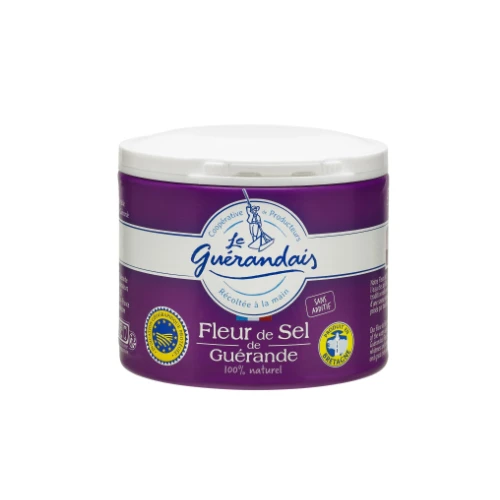
Le Guerlandais Fleur de Sel
Find it on Amazon >
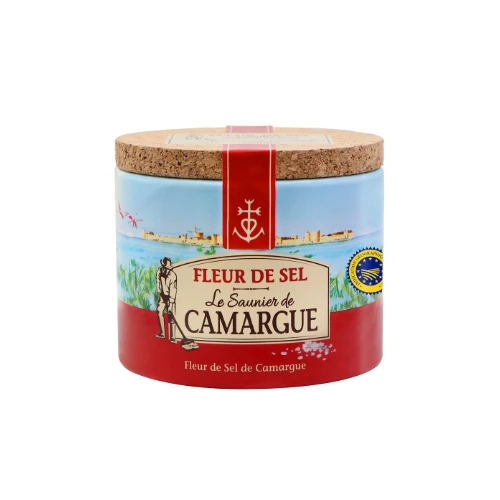
Le Saunier Fleur de Sel
Find it on Amazon >
Both cost more than table salt. Both last indefinitely. One small pot goes a long way because you use fleur de sel for finishing, not cooking. Keep regular sea salt for pasta water and seasoning whilst cooking. Save fleur de sel for sprinkling on food just before serving.
Applying French Food Principles
You don’t need to overhaul everything. Small shifts make a difference. French food culture treats food seriously without being precious about it. Buy good ingredients, cook them properly, eat them at the right time, pay attention whilst eating. The principles are straightforward.
- Shop seasonally, even partially
Visit a farmers market once weekly. Buy what looks good right now. Let seasonal produce drive some meals. You’ll eat better and often spend less. - Accept that some ingredients aren’t available year-round
This creates anticipation. The first asparagus in spring tastes special because you haven’t eaten it for eight months. - Try the meal structure
Starter plus main plus cheese takes twenty minutes and feels more satisfying than one large plate. The progression creates natural pacing. - Take the time to eat and appreciate your food
45–60 minutes minimum for lunch, 60–90 minutes for dinner. Sit down. Put phones away. Eating whilst distracted means you don’t actually taste food. - Buy less food but better food
One perfect tomato matters more than five disappointing ones. A small piece of excellent cheese beats a large chunk of bland supermarket stuff. - Build relationships with food sellers
Markets create connections supermarkets don’t. Vendors remember regular customers, set aside good produce, offer cooking advice. This expertise comes free.
3

Crêpes Suzette
The classic French dessert: thin, delicate crêpes (pancakes) bathed in a buttery orange sauce and flambéed with Grand Marnier. Ridiculously good, and surprisingly straightforward to make at home.
Get the recipe →The bottom line
French food culture operates on specific principles, seasonality, regionality, structured meals, and refusing to compromise on quality. These work in France because they’ve evolved over centuries within this particular context. Your food culture probably has its own logic that makes perfect sense where you live. Different climate, different produce, different meal rhythms, different priorities.
What’s your local food culture like? Do you have ingredients or eating patterns where you live that follow similar logic but different specifics? How does seasonality work where you are, do people care about food, or does year-round availability matter more? Genuinely curious about food cultures outside France. Leave a comment below!