Saint-Léonard-de-Noblat
A town that grew from a Saint’s legacy
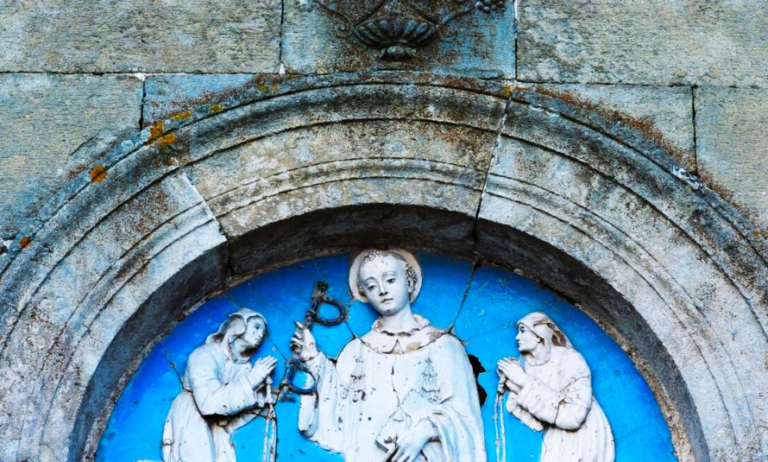
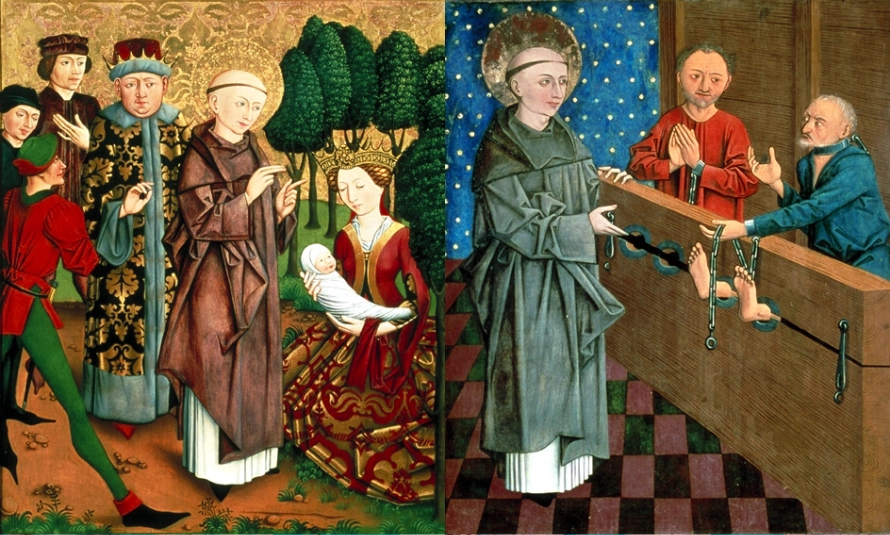
Saint-Léonard-de-Noblat owes its name to a figure who sounds like he stepped straight out of a medieval tale. Saint Leonard was a nobleman from the 6th century who chose the simple life of a hermit. Known as the patron saint of prisoners and women in labour, his tomb became the heart around which the town grew. That sense of faith and community still feels very real here.
Walking through the narrow streets of Saint-Léonard feels like stepping back in time. The timber-framed houses lean slightly inward, showing their age and character. Small artisan shops line the lanes, mixing traditional crafts with modern touches. This combination of old and new gives the town a quiet confidence and a friendly, welcoming feel.
La collégiale de Saint-Léonard-de-Noblat
The crown jewel of Saint-Léonard-de-Noblat is the Romanesque collegiate church of Saint-Léonard, built mainly in the 11th and 12th centuries. It’s a UNESCO World Heritage site on the Routes of Santiago de Compostela and a key part of the town’s spiritual and historical heart. This grand church was built to hold the tomb of the one and only Saint Leonard! Pilgrims have passed through these very doors, carrying with them their dreams, fears, and hopes for sanctuary and grace.
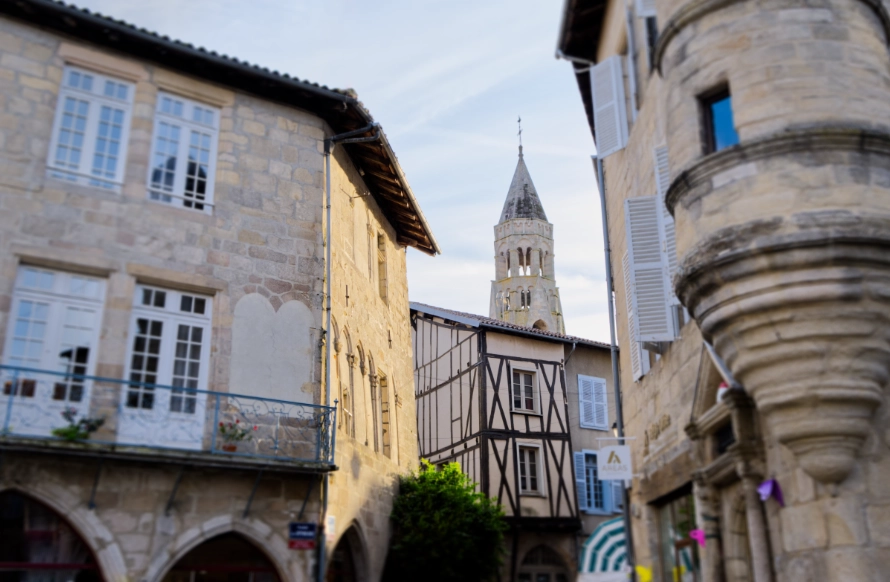
Architecturally, the collegiate church is a fine example of Limousin Romanesque style, featuring a five-bay nave, transept, choir with an apse, and seven chapels arranged around an ambulatory for pilgrims to move without disturbing services. Its standout feature is an octagonal lantern tower that fills the interior with light, plus a bell tower porch with detailed stone carvings of animals and plants.
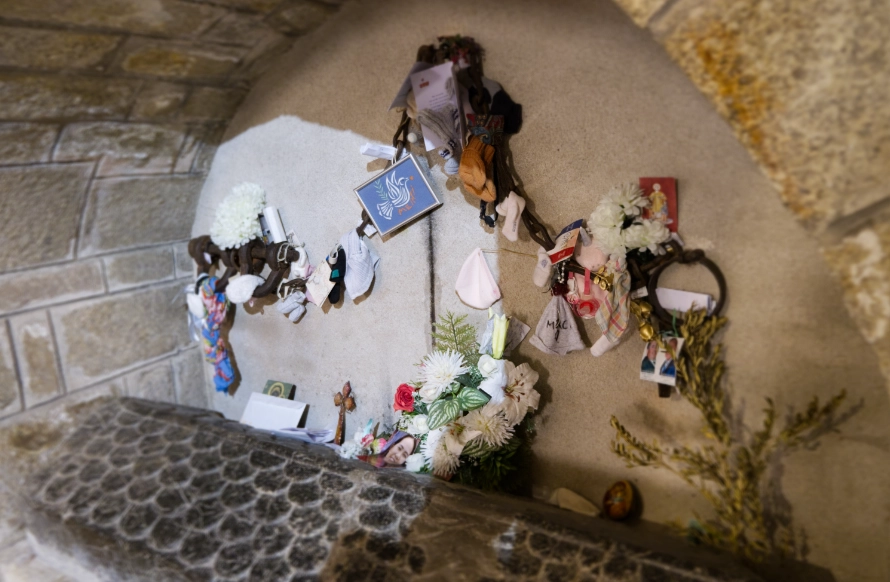
Inside, you’ll find Saint Leonard’s tomb, relic chests, and the famous “verrou”, a symbolic iron lock placed on the saint’s tomb, said to protect the saint’s relics. According to local custom, women longing for a child would touch this lock to seek Saint Leonard’s intercession and blessings, hoping to be granted the joy of motherhood. And even today, you see tiny baby shoes left as thanks for answered prayers. This simple, enduring custom brings a human touch to the church’s grandeur.
The art of fire and earth: porcelain heritage
Saint-Léonard-de-Noblat might be wrapped up in spirituality and medieval tales, but there’s another side to the town that stands out, porcelain. Being so close to Limoges, famous worldwide for its fine porcelain, Saint-Léonard has made its own mark in this tradition. If you’ve read our Limoges article, you’ll already know how important porcelain is here.
Porcelain making came to Saint-Léonard in the 19th century, thanks to the right mix of natural resources: plenty of water, working mills, and enough firewood to fire the kilns. These simple ingredients helped bring an ancient craft to life, shaping, firing, and refining each delicate piece through skills passed down over generations.
Today, the town still holds a strong connection to porcelain. Two factories nearby carry the Living Heritage Company label, showing they maintain a rare and respected craft: JL Coquet on the edge of town towards Limoges, and Carpenet just outside on the road to Lake Vassivière, where visitors can see how porcelain is made. Alongside them is Garance Créations, a decorator based at Moulin du Got (which we will talk about in a moment), who continues this long-standing tradition with handmade decorative pieces.
Le Moulin du Got
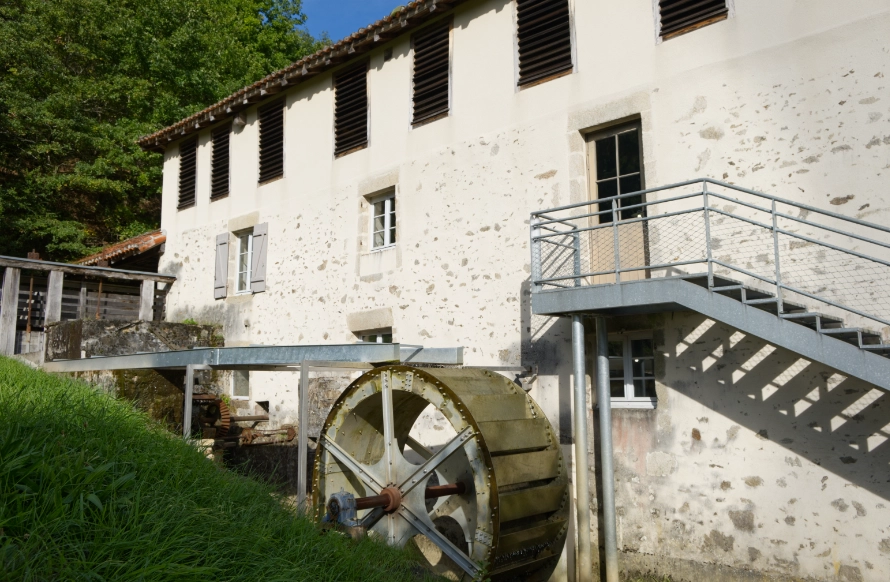
Brought back to life by dedicated locals, this paper mill goes back to the 15th century and now works as a living museum showing how paper and printing were made. I happily joined one of the workshops, dipping the hemp fibres into the vat and lifting the wet sheet out, then watching it dry under the press, the whole experience was really satisfying! Handling the paper as it came together made the whole process feel very real and simple. The guided tour showed how printing evolved, from Gutenberg’s early presses to modern machines. Alongside exhibitions on paper and printing, there are workshops for all ages. It’s a hands-on experience that makes you think differently about something as simple as a sheet of paper!
Musée Gay-Lussac
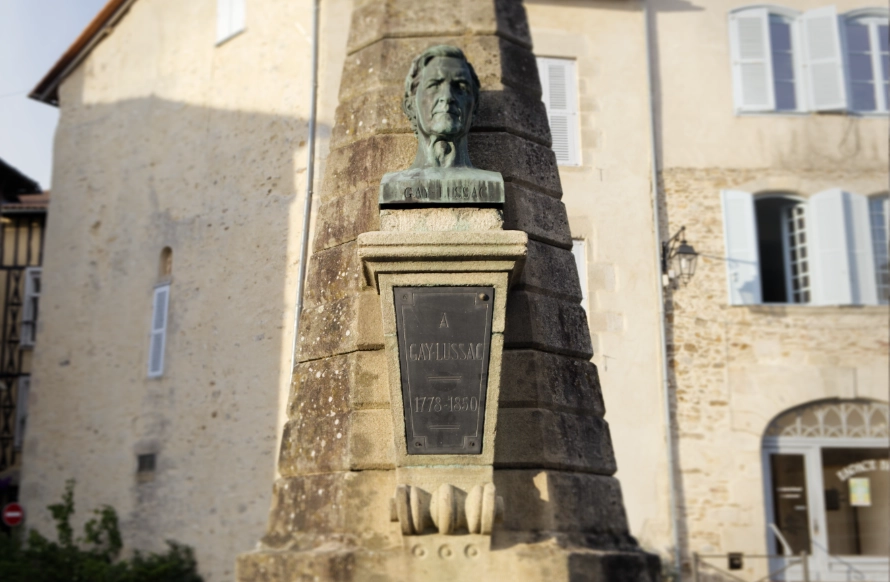
Then there’s the Musée Gay-Lussac, dedicated to Joseph-Louis Gay-Lussac, a notable French chemist and physicist born here in Saint-Léonard-de-Noblat in the late 1700s. Gay-Lussac is best known for his work on the properties of gases, his discoveries helped us understand how gases expand with heat and combine in fixed proportions, laying foundations for modern chemistry and physics.
The museum, set in the old Convent of Filles Notre-Dame, combines local history with science in a straightforward way. Inside, you’ll find his personal belongings, original scientific instruments, rare books, and clear explanations of his important work. The museum also hosts temporary exhibitions on a variety of science topics, like the science of sound or other natural phenomena. Entry is free for small groups and families, making it a relaxed and interesting stop for anyone curious about history and science.
Musée Historail
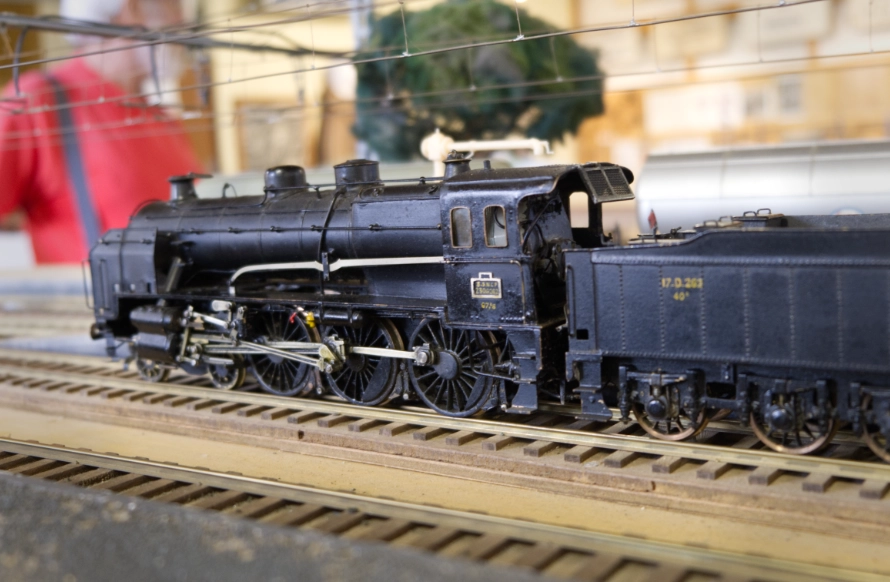
For all the train enthusiasts out there, the Musée Historail in Saint-Léonard-de-Noblat is an absolute must-visit. Run by volunteers since 1987, this railway museum is housed in an old shoe factory from 1881, with about 500 square metres inside and 300 square metres outdoors. Both areas display real railway equipment (many still in working order) and detailed (and handmade miniature) train models in various scales that show how railways worked and changed over time.
Inside, you’ll find everything from signal boxes to locomotives, including a rare Moyse 5Ta steam engine. There are also cab simulators and displays showing how railway signalling and management have changed over time. The museum hosts temporary exhibitions to keep things fresh and welcomes visitors of all ages. Open mainly in summer with guided tours, it’s a charming stop that offers a hands-on look at an important part of local and industrial history.
Local flavours of Saint-Léonard-de-Noblat
Saint-Léonard-de-Noblat is home to some lovely local treats that capture the taste and traditions of the Limousin region. Two favourites stand out: Le Massepain de Saint-Léonard and Les Pruneaux de Saint-Léonard.
Le Massepain de Saint-Léonard
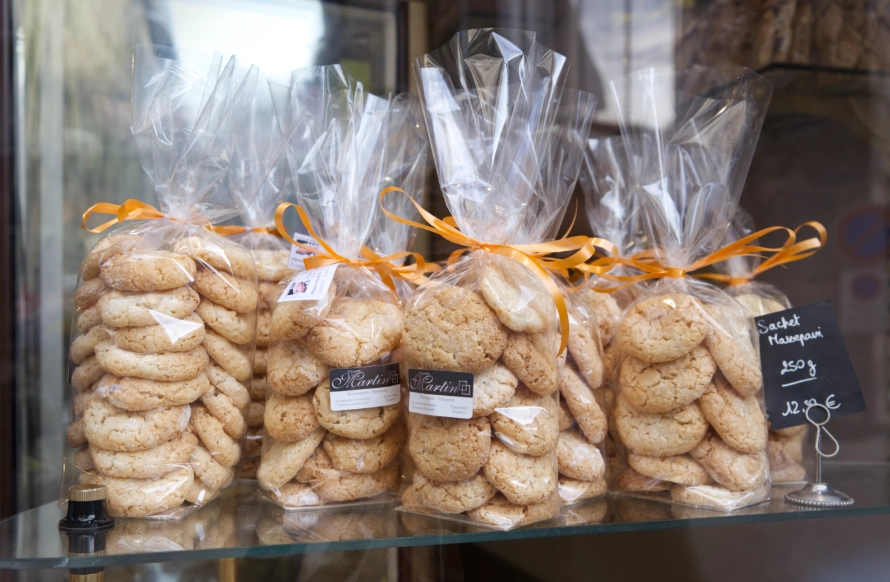
Le Massepain de Saint-Léonard is a much-loved classic almond biscuit that has been a local favourite for generations. It strikes the perfect balance between the natural sweetness of almonds and a gentle touch of sugar, creating a moist, tender biscuit that almost melts on the tongue.
In the town centre, five pâtissiers each craft their own secret version of this treat. Legend has it that only one holds the original recipe, having bought the bakery and recipe from Monsieur Petit Jean, but which one remains a mystery! Together, they produce around 20 tons every year, proof of just how popular massepain still is here. For those keen to try making it themselves, this is the simple but rewarding recipe.
A quirky bit of history says that bakers used to sell baking sheets cheaply to children, so they could lick off the leftover bits of massepain stuck to them, a sweet reminder of childhood and the biscuit’s long place in local life.
It’s the perfect companion to a cup of tea or a thoughtful gift to take a taste of Limousin home.
Les Pruneaux de Saint-Léonard
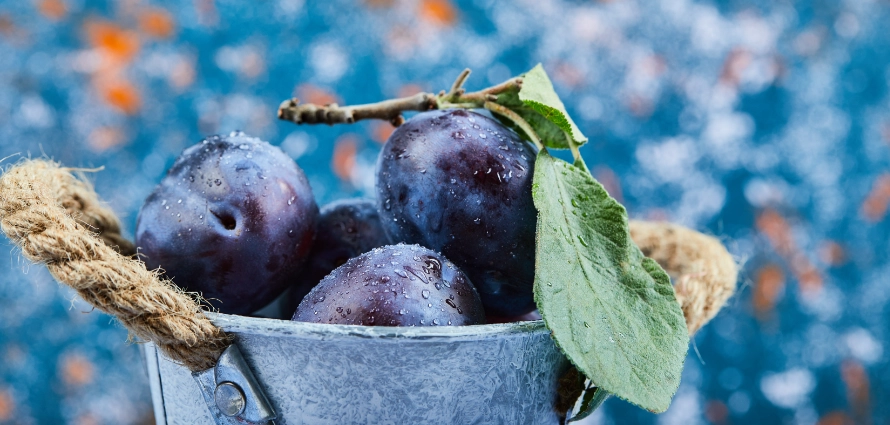
Les Pruneaux de Saint-Léonard are a special variety of small plums, known locally as “marcareux” or “biojou,” with a history stretching back nearly 150 years. These late-summer plums have long been an important part of the region’s cuisine, traditionally used in tarts, jams, and even brandies. Yet it’s as a candied treat that they’ve become truly famous. By dipping the plums several times in sugar syrup, they are transformed into sweet, sticky delights enjoyed by both young and old.
Unlike the dried pruneaux found in other parts of France, Saint-Léonard’s prunes are valued for their tender skin and rich, caramel-like flavour inside. They’re celebrated not only for their taste but also for their health benefits. Saint-Léonard’s pruneaux feature in traditional recipes and desserts, or are simply eaten as a delicious snack.
This local specialty supports nearby growers and keeps alive a centuries-old fruit preservation craft that links Saint-Léonard’s modern life to its agricultural past. Tasting these pruneaux offers more than just flavour; it’s a bite of the town’s history and heritage.
Places to swim: from pools to lakes
If you’re dreaming of mixing a bit of history with some time by the water in the summer, Saint-Léonard-de-Noblat fits the bill nicely. The town offers a modern aquatic centre and some lovely natural places to swim nearby.
Espace Aqua’Noblat
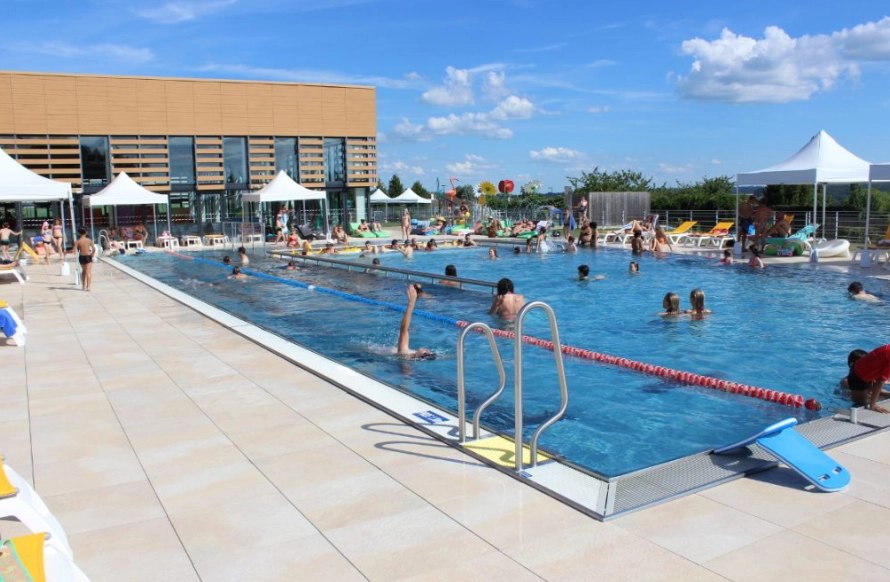
Right in town, the Espace Aqua’Noblat is where you head for a proper swim or just to relax. There’s a 25-metre pool for serious laps, a leisure pool with water jets and bubbling seats, plus a paddling pool for little ones. After a swim, you can unwind in the spa, sauna, or hammam. It’s a well-equipped spot for families and fitness fans alike. Best of all, entry is affordable, ranging from free for toddlers to about €5.60 for adults, so you can fit a swim into your day without breaking the bank.
Étang du Puy and Lac de Saint-Pardoux
Closest to Saint-Léonard, the Étang du Puy and Lac de Saint-Pardoux offer safe and well-kept swimming areas popular with both locals and visitors. These spots are perfect if you want a relaxed day by the water without traveling too far.
Vienne River
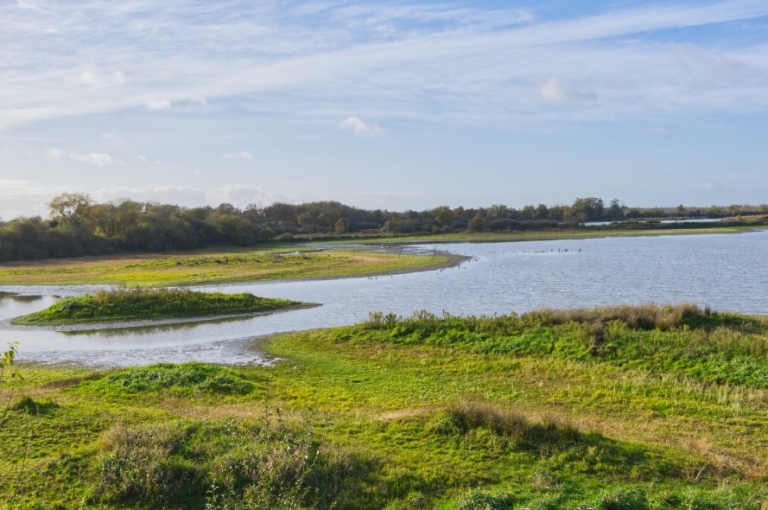
If you’re more drawn to swimming in nature, the clear waters of local lakes and rivers won’t disappoint. The Vienne River winds peacefully through the countryside, with quiet spots perfect for a refreshing dip surrounded by greenery.
Lake Vassivière
A little further away, about 40 minutes from town, lies the impressive Lake Vassivière. With its vast stretch of water and sandy beaches, it’s a true gem for open-water swimming, sailing, and watersports. Its 1,000 hectares of water and welcoming beaches provide plenty of space to swim, picnic, or simply soak in the sun.
What to see and do in Saint-Léonard-de-Noblat
- La Collégiale Saint-Léonard
Step inside the town’s UNESCO-listed Romanesque church, explore the medieval tomb of Saint Leonard, and marvel at the octagonal lantern tower and sculpted stonework. - Musée Gay-Lussac
Discover artefacts and original scientific equipment inside a charming museum dedicated to world-famous chemist and physicist Joseph-Louis Gay-Lussac, whose pioneering discoveries began right here. - Le Moulin du Got
Visit the living museum of papermaking and printing. Take part in hands-on workshops, see vintage presses in action, and learn how local water mills powered centuries of craft and industry. - Musée Historail
Dive into the fascinating world of railway transport at this volunteer-run museum, home to locomotive cabs, detailed miniature train networks, and real-life railway artefacts spanning nearly 150 years. - Espace Aqua’Noblat & swimming spots
Swim laps, relax in the spa, or join an aquafitness session at the town’s eco-friendly aquatic centre. Nearby rivers and lakes offer scenic wild swimming just outside town. - Porcelain workshops and boutiques
Browse artisan shops and the JL Coquet and Carpenet factories for porcelain crafted with generations of expertise. Watch decorators in action and pick up a truly unique souvenir. - Medieval streets and half-timbered houses
Wander winding lanes lined with timber-framed cottages, local bakeries, and art studios. Discover Saint-Léonard’s friendly village vibe and centuries-old architecture. - Saint Martial Festival & cultural events
Join the locals for lively festivals like the Saint Martial Festival on the first weekend of July. - Food specialities: Massepain & pruneaux
Treat yourself to almond-rich Massepain biscuits and sweet, caramel-esque pruneaux, heritage recipes that bring the flavours of Limousin straight to your plate. - Vienne river walks & cycling routes
Enjoy peaceful riverside strolls, gentle woodland trails, or scenic hilltop bike rides through lush green countryside and sleepy hamlets. - Local market
Sample seasonal produce, cheeses, and pastries with a visit to the farmer’s market, held every Saturday morning from 9 to 12. - Sports & leisure
Try water-skiing or tree climbing at nearby lakes, or join guided nature walks in rolling valleys packed with wildflowers and rare birds. - Hidden historic sites
Find remnants of old pilgrim hospitals and convents tucked in quiet corners, connecting today’s visitors with medieval stories at every turn.
Practical information for visitors
- Getting there
Saint-Léonard-de-Noblat is just 20 km east of Limoges and can be reached easily by car or regional bus from the city. Limoges-Bénédictins station offers direct trains from Paris and other major cities, and Limoges Airport is an option for flights from the UK and various European destinations. - When to visit
The ideal time is between May and September, when the weather is at its brightest and village festivals fill the calendar. Spring is a delight with greenery and local celebrations. Summer brings markets, riverside picnics, and open-air events, while autumn’s colours make for tranquil walks and smaller crowds. - Accommodation
Comfortable guesthouses and boutique hotels cluster in the old centre, putting guests close to sights, cafés, and shops. A range of B&Bs, family-run inns, and countryside stays abound for those chasing real local flavour and a friendly welcome after a day’s exploring.