Nice
Nice, the radiant heart of the French Riviera
I spent ten years of my childhood in Nice, though at the time, I scarcely realised how extraordinary that was. It’s only now, when I mention it and people assume I’m either impossibly posh or secretly minted, that I recognise what a gift those years were down south in the sun. The truth? My family wasn’t fancy, and my memories aren’t of yachts or champagne, but of salty sea breezes, melting ice creams, and chasing my brother through the Castle Hill (no, not my castle, though it felt like ours on quiet Sundays).
I can still picture myself roller skating along the Promenade des Anglais, and the sensory overload that was the Vieux Nice: market stalls glowing with spices, lavender bags, flashes of bright colours, the surprised delight of being allowed a snack at the corner socca shop if my brother and I had been on our best behaviour. These are the fragments that come first, not the glamour but the warmth and everyday adventure.
I have returned since, as my brother’s still a local. The city’s changed, as cities do, polished up in places, modernised. But the heartbeat is the same. Nice, with all its sun-drenched traditions, lively festivals, and soul-soothing coastline, holds a permanent corner in my life story. Even now, it isn’t nostalgia that draws me back, but a genuine affection for a place that shaped me, just a regular kid with the Mediterranean as her playground.
Nice is friendly and welcoming, with sunlight that seems to pour itself over every surface and locals who claim 300+ days of sunshine a year (the other 65? Just opportunities to sample the olives).
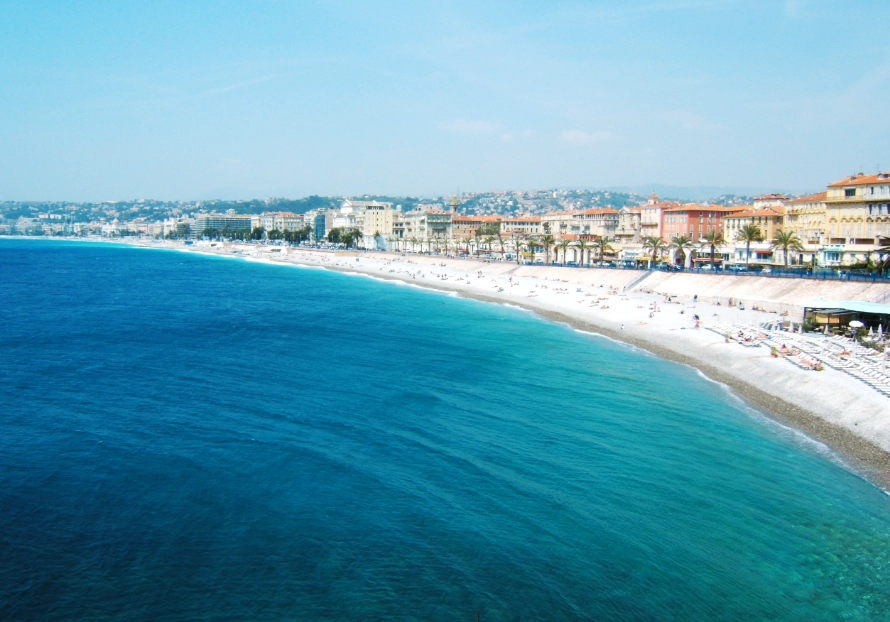
Why does Nice feel… a bit Italian?
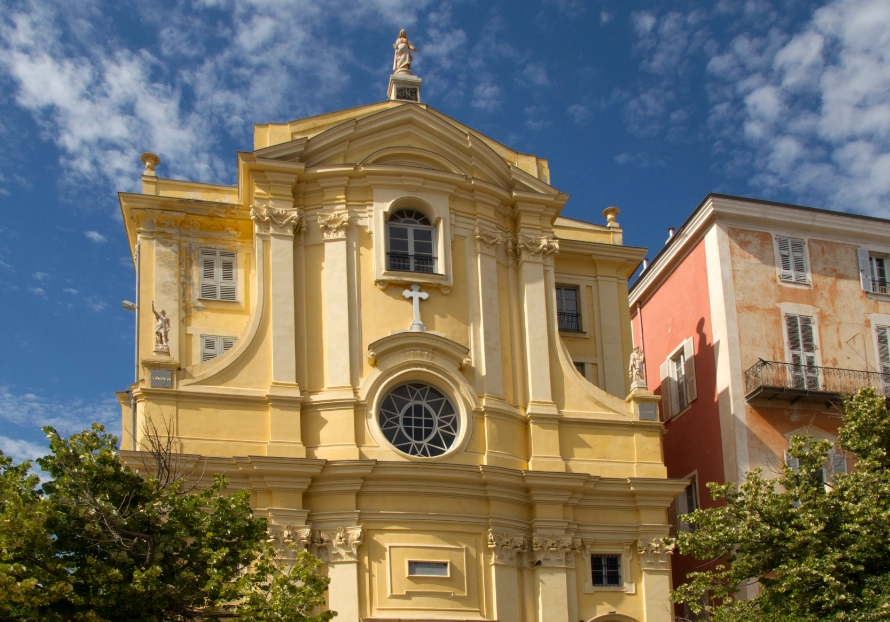
Good catch. There’s more than a passing resemblance to Liguria in Nice’s colours, dialect, and appetite for bread, in no small part because Nice belonged to the Kingdom of Sardinia (and, for a time, Italy itself) until 1860. The Franco-Italian fusion sticks around in everything from subtitled films to the habit of gesturing wildly during animated street debates.
The Promenade des Anglais, yes, the English Walk
For me, the Promenade des Anglais is the true lifeblood of Nice, a sunlit ribbon of 7km that links everything worth loving in the city. You could, if you fancied, stroll right from the airport, suitcase in tow, and wander past all the essential hotspots, eventually winding up at the legendary Castle.
Its name, which translates as the English Walk, pays tribute to the English aristocracy who began flocking to Nice in the 18th and 19th centuries, seeking refuge from colder northern winters. These well-heeled visitors financed the original path along the coast, which was little more than a dirt track at the time, to promenade in style beside the Mediterranean. Over time, the path was paved and extended, transforming into the elegant seaside boulevard known today, lined with palm trees and the grand Belle Époque hotels that still charm visitors.
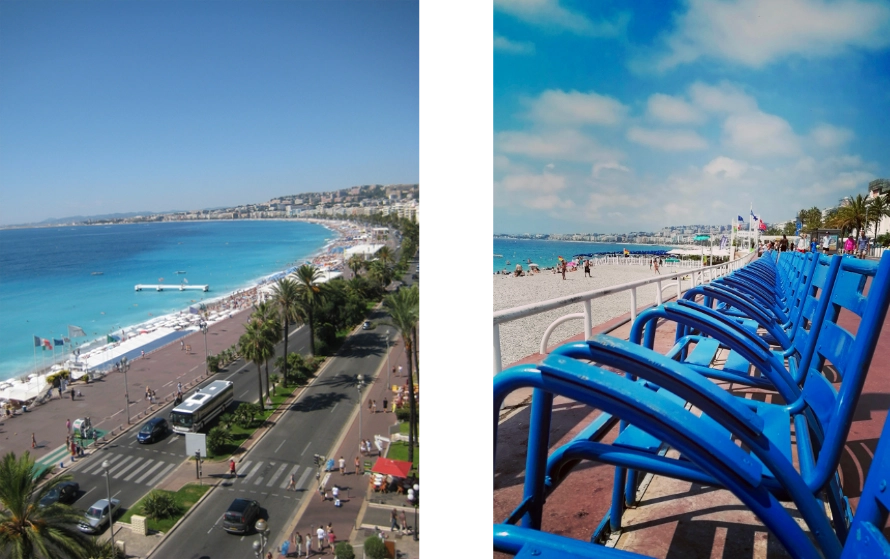
Today, it’s a parade route for beachlovers, joggers and rollerbladers (a.k.a. me at 8 years old). Stretching along the azure bay, fringed by palms and Belle Époque hotels, it practically dares you not to sit and watch the world for an hour (or three) with an ice cream dripping down your hand.
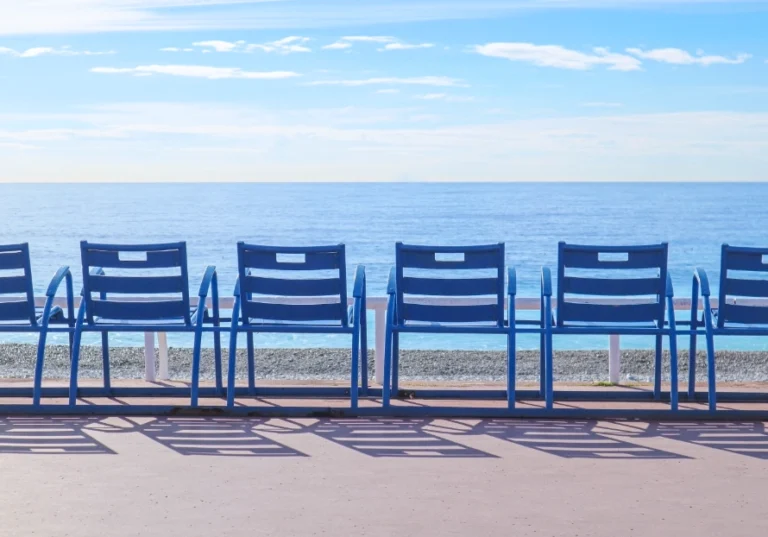
Those iconic blue chairs always tug at my memory, scattered along the promenade, they’re little invitations to pause and take it all in. I can’t help but feel a gentle nostalgia whenever I see them, knowing this walkway links all of my favourite corners of Nice.
The port
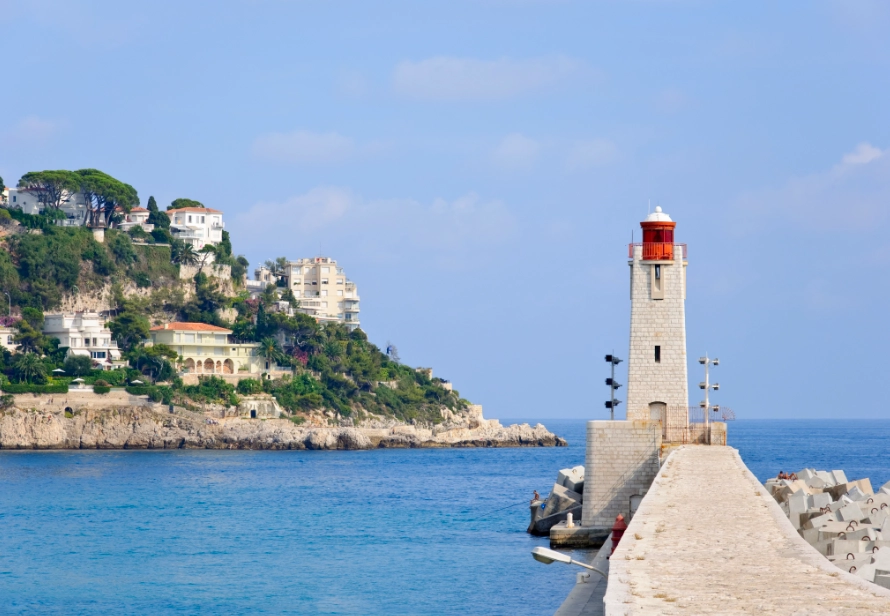
We didn’t have a yacht, but my dad owned a small motorboat that just about fit the four of us. We’d head out past the lighthouse, sticking close to the coastline to swim, though my mum and I often felt queasy from the waves, even when they were barely noticeable. I preferred staying in the port, watching the fishermen return and seeing what they’d caught. One day, I remember walking along the docks and spotting a man with a massive sea spider, which both terrified and fascinated me. Those afternoons spent wandering the port, watching boats come and go, were always memorable.
The Port of Nice has a long history dating back to Roman times when it began as a tiny fishing harbour. Over the centuries, it grew in importance as a trading and military port, helping shape the city’s economic life. While major commercial shipping has since moved on, the port is still active with fishing boats and a marina for private yachts. The area has transformed from its industrial past into a lively neighbourhood full of seafood restaurants, cafés, and artisan shops, blending its maritime roots with modern city life.
You can soak up the atmosphere of a working harbour, take boat trips along the Riviera, or simply stroll the quays to experience this historic yet vibrant corner of Nice.
The Beaches
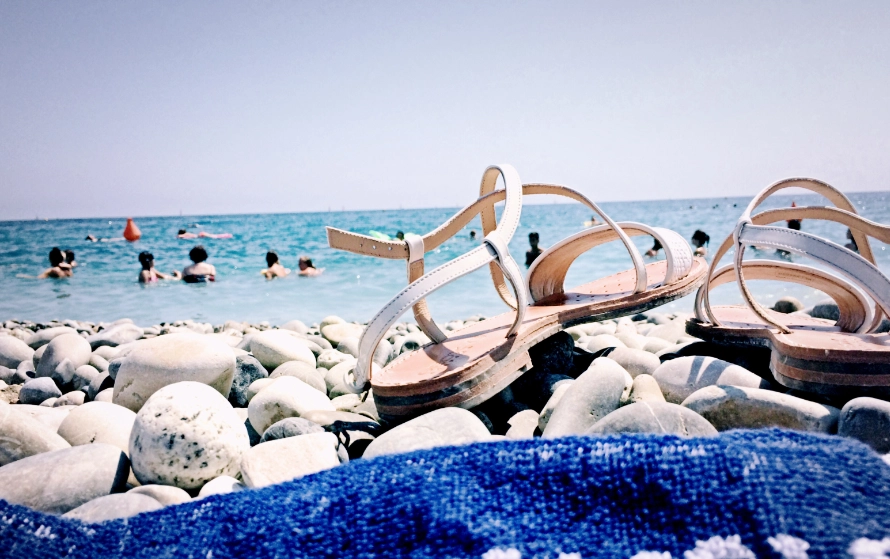
I have many memories from the beaches of Nice. I recall carefree days spent by the water’s edge, with barbecues sizzling (though I’m pretty sure that’s a no-no nowadays), and the soothing rhythm of waves lapping in and out providing the perfect soundtrack. Jellyfish near the shore were just part of the landscape to us kids, something normal, even if a little prickly now and then. Sharing those stories today, I realise it’s not quite the universal experience, but honestly, a sting was never a reason to stop the fun. The slight tingle would fade fast, and off we’d go, splashing and playing like nothing had happened. Just thinking about it brings back the smell of salty sea air and warm sun on my skin, the kind of summer weekends when time seemed to pause and the world was exactly where it should be.
One small heads-up: the beaches here aren’t sandy but covered in smooth pebbles. For some, this might feel like an uninvited foot massage; for others, a curious delight. If your feet aren’t quite up to the task, pack some beach shoes to keep things comfortable.
And if you’re after a touch of indulgence, private beach clubs line the coast offering soft loungers, crisp towels, and attentive waiters, who won’t bat an eye at your fifth pastis of the day.
Le Vieux Nice: the maze of spices and boutiques
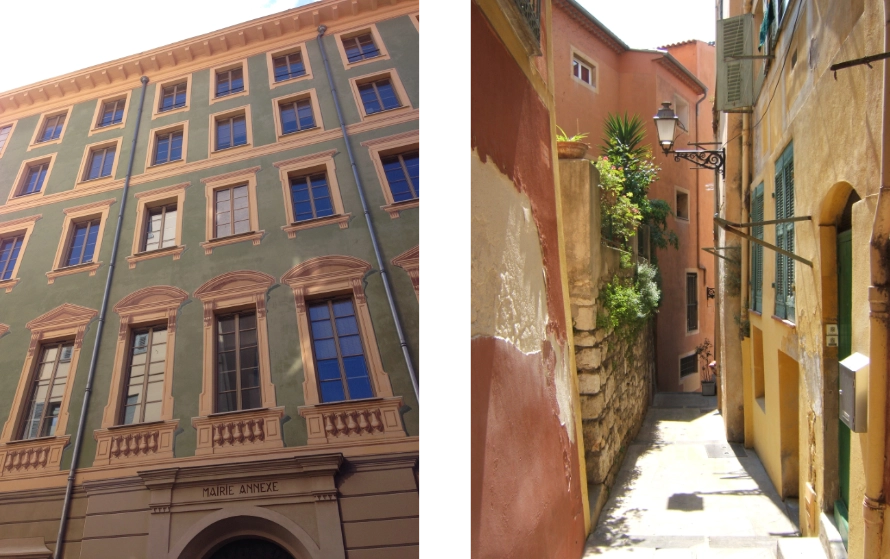
Drop a Brit (or anyone, really) into Vieux Nice on a breezy Saturday and you’ll struggle to get them out before Tuesday. The Old Town’s honeycomb of lanes overflows with tiny, family-run shops, spice stalls, chocolate spilling from open windows, and more shades of ochre and tangerine than the Dulux catalogue owns up to.
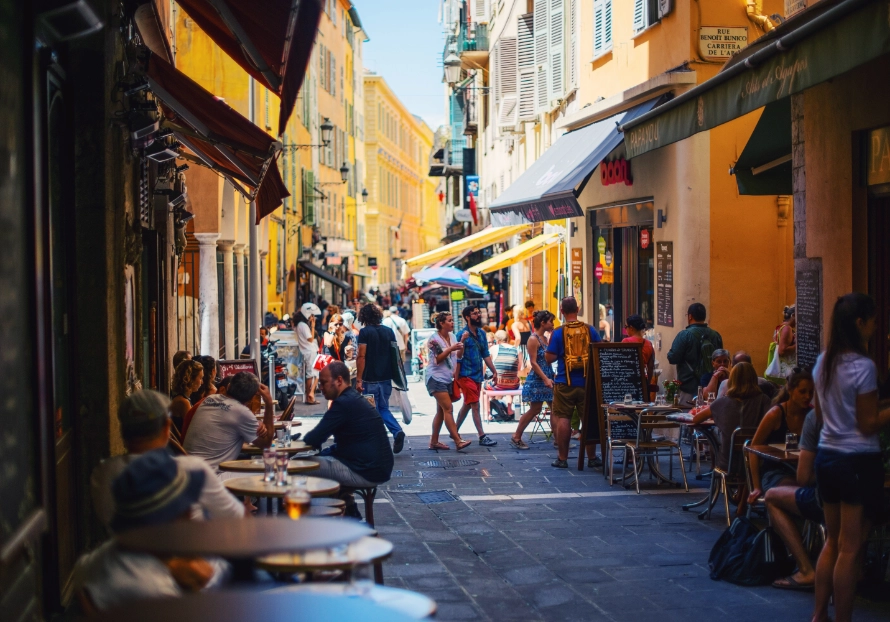
Stroll these sun-dappled streets and you’ll notice that the true magic isn’t just in the pastel facades or narrow shadows; it’s in the infectious energy of what’s crammed into every nook. You’ll stumble upon pasta artisans kneading away in tiny workshops, wine caverns hidden just beyond a painted shutter, and chocolatiers whose displays could defeat the strongest willpower. The shopfronts come alive with Provençal herbs and market baskets brimming with colour; step out of one doorway and your senses are already beckoned on by the next.
You can rub shoulders with locals on the way to buy a baguette, puzzle over which olives are scientifically “superior,” and get politely elbowed aside by a grand-mère on a mission at the Cours Saleya market.
Socca
If you’ve never tasted a fresh legendary socca (a crispy, impossibly moreish chickpea pancake fresh from the oven) you simply cannot leave Nice without giving it a go. And honestly, why stop there? Order a slice of pissaladière and a plate of courgette flower beignets, light as feathers and delicious served with a garlicky dip. Wash it all down with a chilled rosé or a frosty beer. Only then do you understand why life here tastes so good.
Sugar candied flowers
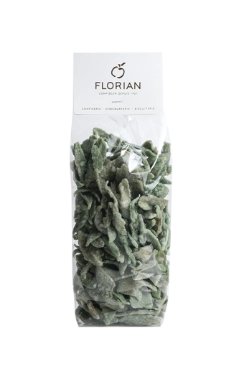
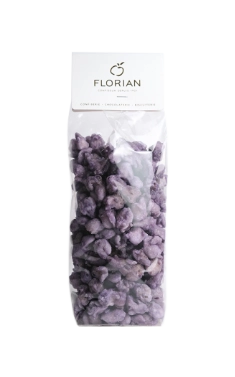
Sugar candied flower petals, rose, violet, verbena, and mimosa, are a true Niçois treat and well worth indulging in despite their premium price. I recommend exploring the sweet shops tucked into the winding lanes of Vieux Nice and simply asking if they have these fragrant gems on hand, sometimes, the hunt is half the fun! If you come up empty, don’t fret; Confiserie Florian near the port on Quai Papacino (at the end of the Promenade des Anglais) is famous for reliably stocking these delicate treasures year-round.

If you leave Vieux Nice hungry, you’ve missed the point entirely!
Cours Saleya
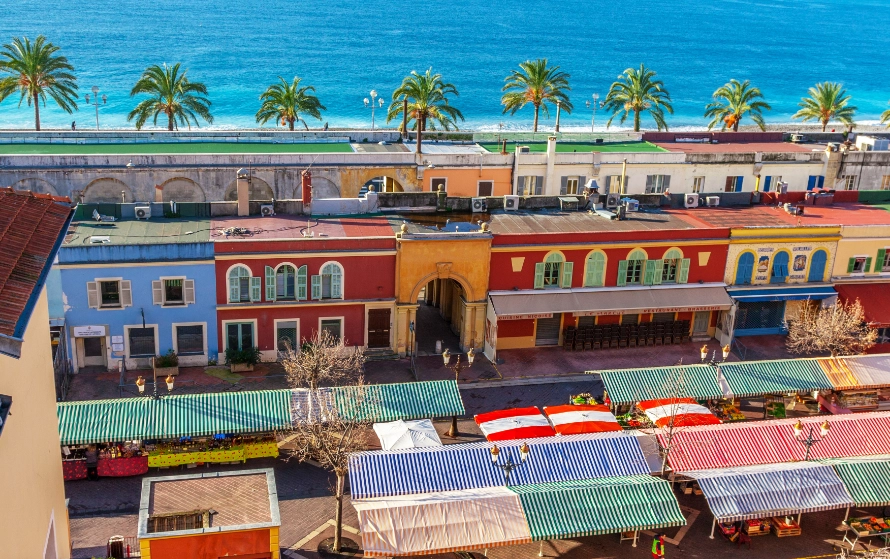
Cours Saleya is a central part of Old Nice and one of the best places to experience the everyday life of the city. During the day, it hosts a busy market filled with fresh fruit, flowers, aromatic herbs, and Provençal spices, drawing locals and visitors alike. The atmosphere is lively but relaxed, offering a genuine glimpse into Niçois culture. As the market closes, the square shifts into a hub of cafés and restaurants, where you can enjoy a coffee, a glass of wine, or traditional dishes while watching the world go by. Thanks to its proximity to Italy, some of the best pizza can be found here, alongside fresh seafood that takes full advantage of the nearby Mediterranean coast.I still remember grabbing a pizza to go, then wandering through the nearby arches to find a spot on the pebbly beach just a couple of minutes away, where I’d sit back, watch the sea, and soak it all in with a contented smile. Cours Saleya combines the practical with the social, making it a simple yet essential stop when exploring Nice.
The Castle, and the best view you’ll see for free
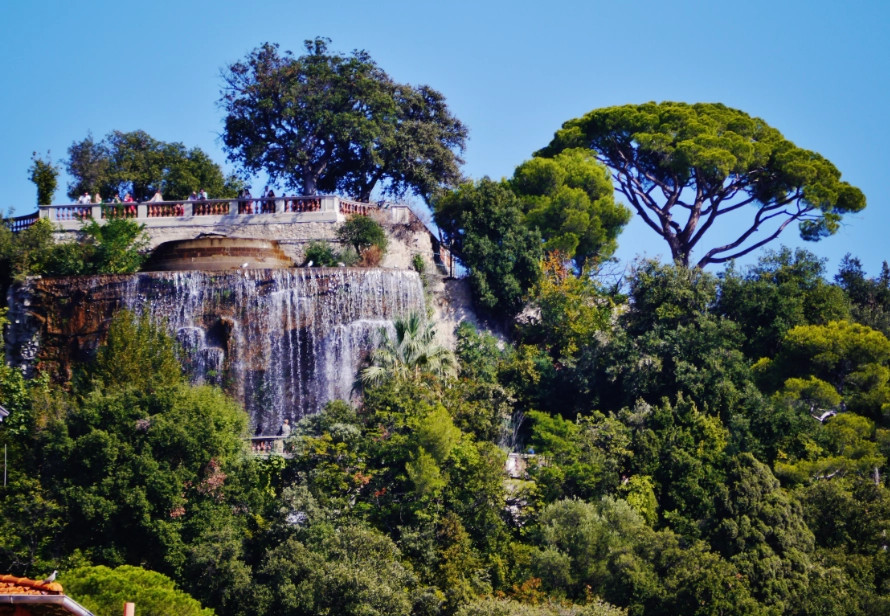
When the weather smiled on us, Sundays meant heading to the Castle! For my parents, the climb uphill was a bit of exercise, but for us kids, it was pure adventure, zigzagging up winding paths, racing each other to the promise of playground mischief at the top. Nowadays, if you’re not up for the climb (or, frankly, your step count is looking heroic already), there’s a handy public lift tucked near the base. Either way, reaching the summit is worth every huff and puff.
From up here, Nice shows itself like a sun-bleached postcard. Terracotta rooftops tumble toward the dazzling Baie des Anges (Bay of Angels), and behind the city, the mountains stand tall. There’s nearly always a breeze, perfect for leapfrogging over playground rocks, just as we did.
A bit of history for the curious: the original Castle of Nice was built by the Counts of Provence around the 11th century, designed to guard the city from marauders and rival powers. Through the centuries, various rulers, the Dukes of Savoy, Kings of France, fortified, expanded, and occasionally squabbled over it. In the 19th century, after the castle was razed by order of Louis XIV in 1706, the area was transformed into a vast public park. Today, all that remains of the fortress are a handful of atmospheric ruins and the restored Bellanda Tower, but it’s this very blend of history, greenery, and sweeping views that lend the site its character.
Just below the summit lies the Château Cemetery, perched spectacularly on the hillside. Built in 1783 on the site of the old citadel, it’s one of the Côte d’Azur’s most famous cemeteries. Spread over 14,000 square metres, it features around 2,800 graves including those of notable figures like poets, artists, scientists, and even the mother of Giuseppe Garibaldi. The cemetery offers a peaceful spot with panoramic views over the city and the sea, a serene contrast to the lively playgrounds above.
Whether you reach the top by foot or by lift, the Castle is the ultimate Nice panorama, part playground, part monument, and entirely unmissable.
Henri Matisse called Nice home
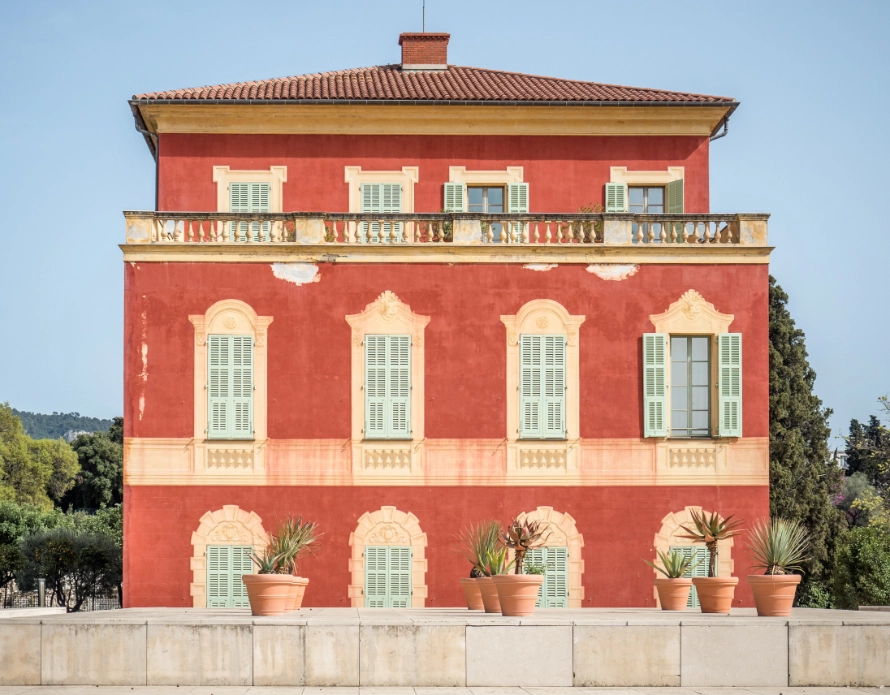
The Musée Matisse is a must-visit for anyone wanting to dive deeper into Nice’s rich artistic heritage. Nestled in a graceful 17th-century villa in the peaceful Cimiez district, the museum is dedicated to the works of Henri Matisse, who called Nice home for many years. Inside, you’ll find an impressive collection of his paintings, drawings, sculptures, and cut-outs, tracing the evolution of one of the 20th century’s most influential artists. Beyond the art itself, the setting is a serene escape from the bustle of the city, a place where the Mediterranean light that so inspired Matisse still seems to linger. Whether you’re an art aficionado or simply curious, the Musée Matisse offers a captivating glimpse into the colours, shapes, and spirit that define both the artist and the city he loved.
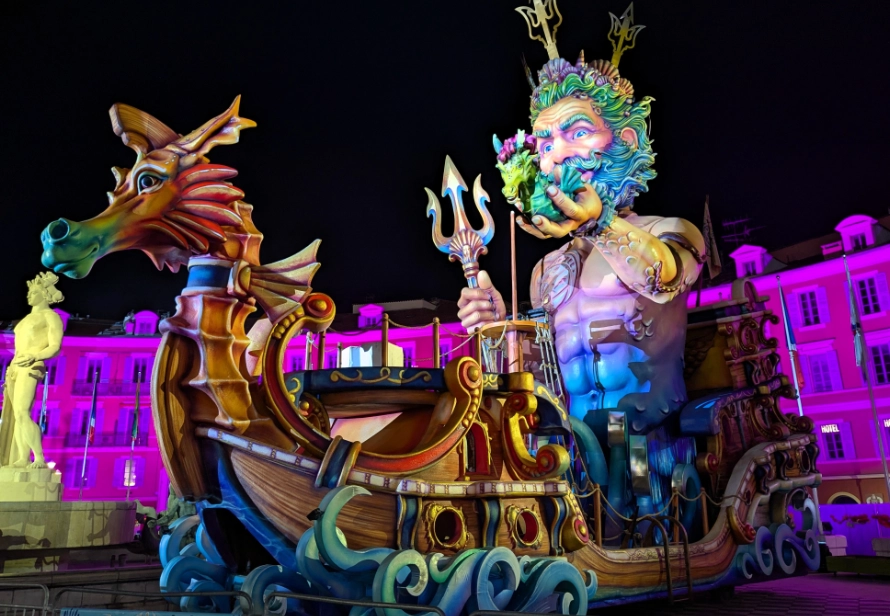
Carnival: Where the city unleashes its inner child
Every February, winter’s gloom gets kicked out in style when Nice bursts into colour with its world-famous carnival. Think enormous papier-mâché floats, costumed revellers pelting each other with flowers, and satirical fun poked at politicians and pop icons alike. Everyone joins in: children, tourists chucking confetti with spectacular accuracy. It’s chaotic, colourful, and pure joy I am happy to have experienced as a child.
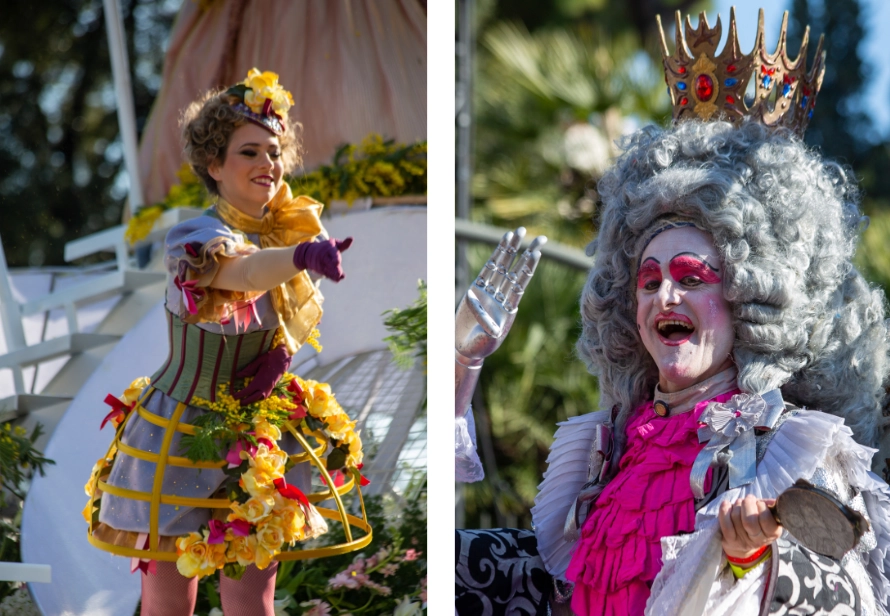
Bataille des Fleurs
If the Carnaval alone doesn’t satisfy your appetite for celebration, then the Bataille des Fleurs is sure to. Traditionally held every February as a standout event within Nice’s famous Carnival, this flower battle usually takes place during the last two weeks of the month, often stretching from mid-February into early March.
Dating back to 1876, the Bataille des Fleurs has blossomed into a spectacular parade where floats lavishly decorated with thousands of fresh flowers wind through the city streets. Participants, dressed in colourful costumes, shower the crowd with handfuls of blooms (mimosa being a particular favourite of mine, alongside roses, lilies, gerberas, and violets) filling the air with fragrance and joy that captivates both locals and visitors.
More than just a herald of spring, the event celebrates Nice’s rich floral heritage and its love of theatrical flair, making the Bataille des Fleurs an unmissable highlight that perfectly captures the spirit and elegance of the French Riviera.
What to see and do in Nice
- Promenade des Anglais
Walk the length of the Promenade (move faster than the selfie-takers, if you can) and watch the sunset from one of the iconic blue chairs. - The port
Explore the historic Port of Nice, where fishing boats and yachts share the quay, and the waterfront buzzes with seafood restaurants and cafés. - Place Masséna
Sip a coffee at Place Masséna, the city’s elegant showpiece, where terracotta and cream arcades surround the Fountain of the Sun and street performers pirouette around unsuspecting visitors. - Cours Saleya
Explore Cours Saleya: by morning, it’s a flower and produce market to rival Borough; by night, it becomes a lively warren of bars, gelaterias, and seafood joints. - Russian Orthodox Cathedral
Visit the Russian Orthodox Cathedral: an architectural jewel that seems to have wandered here by accident, with its onion domes and riotous mosaics. - Libération / Le Port
Take the tram to Libération or Le Port and explore untouristy neighbourhoods rich in local colour and the aroma of baking fougasse. - The Castle
The Castle is the ultimate Nice panorama, part playground, part monument, and entirely unmissable. - Musée Matisse
An impressive collection of works by Henri Matisse, set in a serene 17th-century villa bathed in the Mediterranean light that inspired the artist.
Practical information for visitors
- Getting there
Nice Côte d’Azur Airport is just a 15-minute tram ride from the city centre, no dramatic taxi fare needed. - When to visit
Spring and autumn promise sunshine, gentle crowds, and markets at their most bountiful. July and August sizzle, but the sea’s never far away. - Accommodation
From grand old hotels on the Promenade to quirky guesthouses in Vieux Nice, there’s something for every budget. Book ahead for summer or carnival! - Getting around
The tram system is cheap and efficient, and most top sights are walkable with comfy shoes. For the adventurous, rent a Vélobleu bike and join the local peloton.