Limoges

Limoges porcelain
If you’ve heard of Limoges at all, it’s probably because of the porcelain that bears its name. The city’s connection to porcelain began with a lucky break in 1768, when deposits of kaolin clay were discovered nearby. This particular clay is crucial for making hard-paste porcelain, the durable, delicate, and translucent kind that was previously only mastered in China.
Before this discovery, European craftsmen struggled to replicate high-quality porcelain, often settling for softer, less resilient versions. But with kaolin on their doorstep, Limoges quickly took its place as the centre of porcelain manufacturing in France. The natural resources, combined with skilled artisans and a touch of industrial innovation, allowed workshops and factories here to refine their art and develop unique styles.
Over the years, Limoges porcelain gained a stellar reputation, admired by royalty, collectors, and art enthusiasts all over the world. Its pieces range from practical tableware to intricate decorative objects, showcasing centuries of craftsmanship passed down through generations.
Porcelain treasure hunt
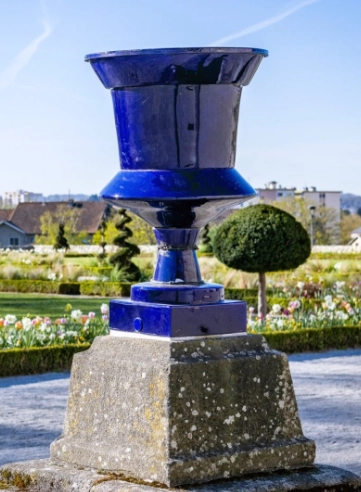
Keep an eye out as you wander through Limoges, small porcelain motifs are cleverly hidden all around the city. These tiny pieces, often tucked into building façades, street corners, or public spaces, serve as a quiet tribute to Limoges’ renowned porcelain heritage.
Have you spotted a few? Share how many in the comments, just keep the locations secret to keep the treasure hunt alive for other readers. I’ll give you one hint: think blue!
Musée National Adrien Dubouché
To explore this rich porcelain heritage firsthand, the Musée National Adrien Dubouché is the city’s best stop. The museum holds the largest public collection of Limoges porcelain in the world, with works spanning from the 18th century right up to contemporary creations.
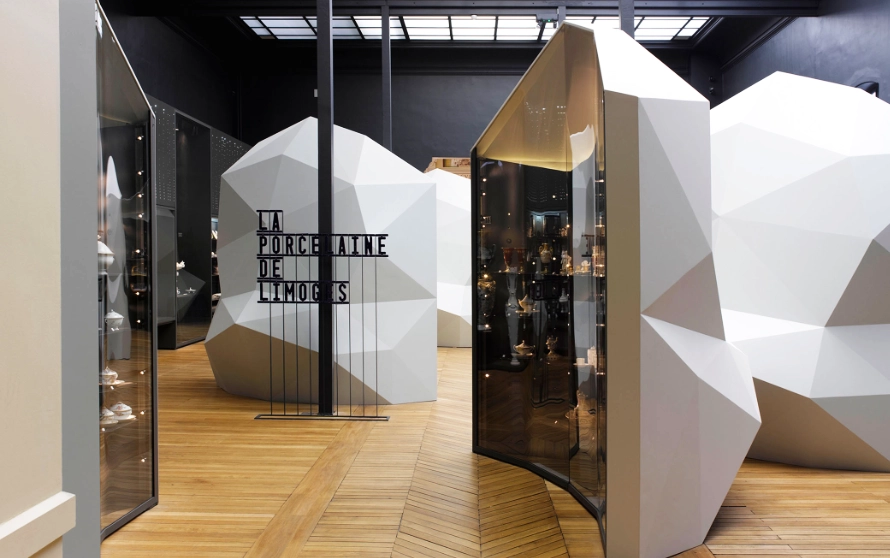
Named after Adrien Dubouché, a 19th-century ceramics expert and philanthropist, the museum is a tribute to his dedication to preserving and promoting the craft. Dubouché played a major role in gathering the finest pieces, encouraging innovation, and establishing institutions to train future porcelain artisans.
Whether you’re a ceramics fan or simply curious, the Musée National Adrien Dubouché offers a hands-on look at why Limoges remains a porcelain hotspot centuries after it first made its mark.
Exquisite enamel in vibrant colours
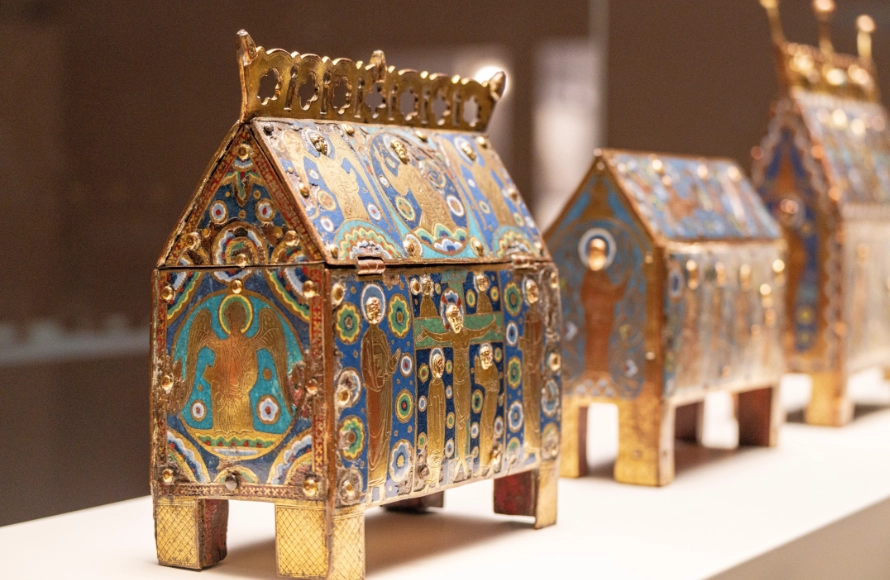
But, long before porcelain put Limoges on the global map, the city was already famous for its exquisite enamel work. Limoges enamel is a centuries-old craft renowned for its vibrant colours, detailed miniature paintings, and remarkable durability.
Dating back to the Middle Ages, Limoges became a leading centre for enamel production, especially from the 15th century onwards. Skilled artisans mastered techniques such as champlevé and painted enamel, decorating everything from religious objects to fine jewelry and decorative pieces.
The quality and artistry of Limoges enamels are so exceptional that some of the finest pieces are preserved in top museums worldwide, including the Louvre in Paris and the Stockholm Nationalmuseum, where Limoges enamel works are showcased alongside treasures from the greatest art traditions.
Musée des Beaux-Arts
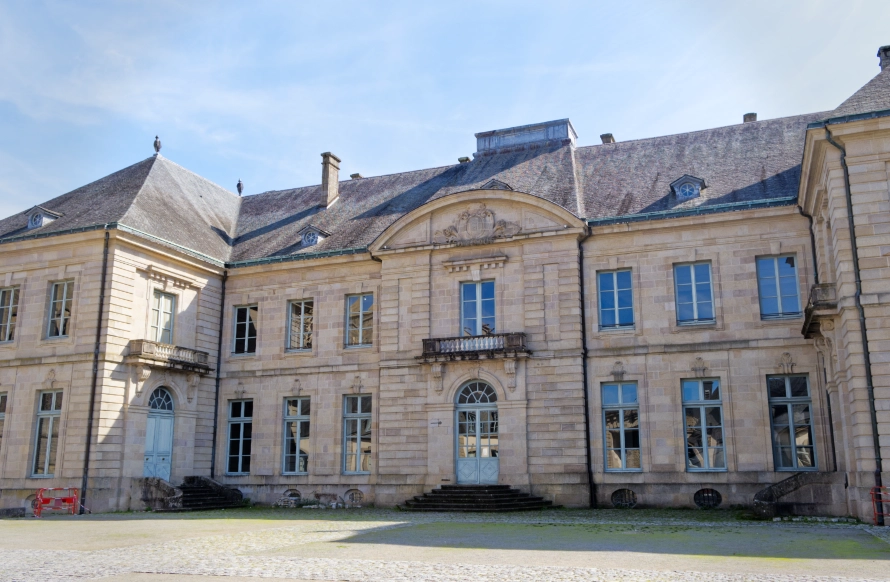
The Musée des Beaux-Arts in Limoges is housed in a former bishop’s palace. The museum’s setting alone is impressive, it is perched on a hill with lovely views over the city. Inside, you’ll find a diverse collection that spans centuries, featuring paintings, sculptures, and decorative arts.
Highlights include fine enamels, a you now know, a Limoges speciality, as well as French and European paintings from the Renaissance through to the 20th century. The museum also showcases archaeological finds from the region, adding a fascinating historical layer to the art on display.
Musée de la Résistance
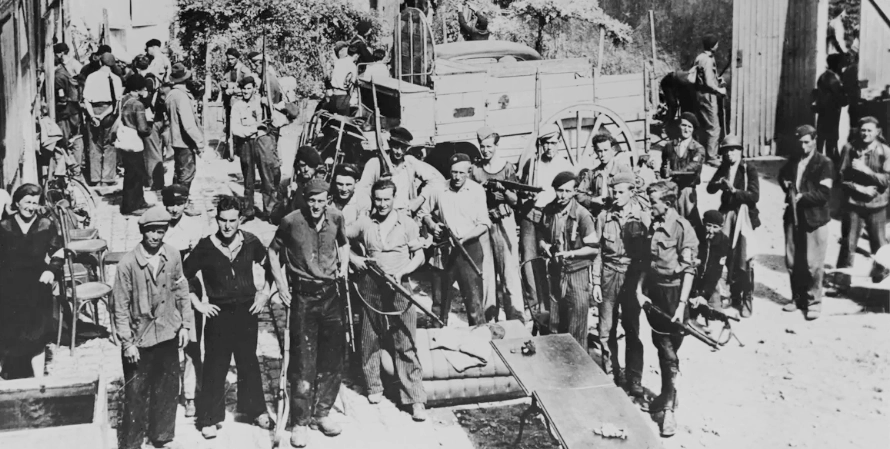
The Musée de la Résistance in Limoges is housed in an old convent that dates back to the 17th and 18th centuries. Inside, the museum’s main aim is to keep the memory of those who stood up during one of France’s darkest times, especially the brave men and women from the region who risked everything fighting against Nazi occupation during World War II.
The exhibits include around 800 pieces, photos, documents, letters, and objects from that era. You can see everything from rationing tickets to weapons used by resistance fighters, including some of the famous Sten guns that parachuted into the region. These tangible items help you imagine the tough conditions people lived through. If you’re a history buff, this museum allows you to appreciate the resilience and courage that shaped the city and the country.
Cathédrale Saint-Étienne
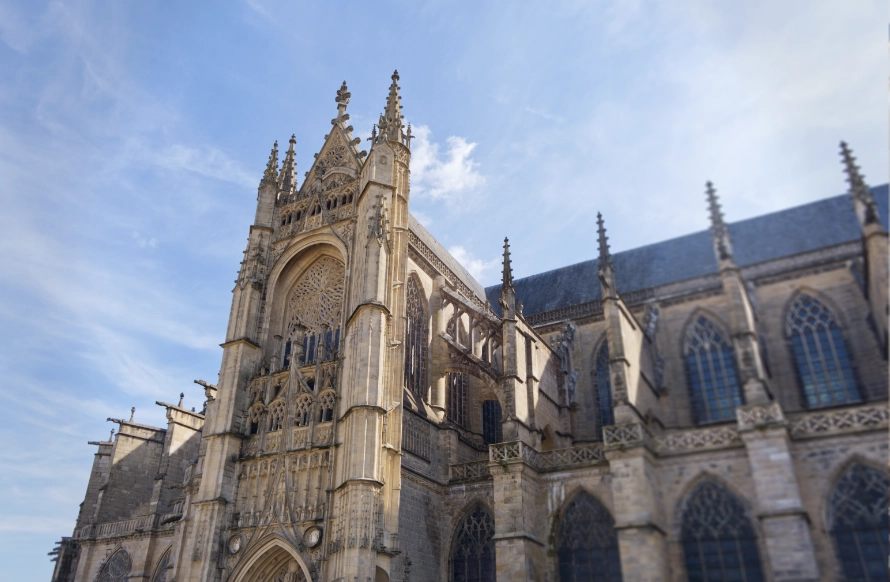
Cathédrale Saint-Étienne is impossible to overlook, it’s one of Limoges’ biggest and most iconic landmarks, right in the city centre. Construction began way back in 1273, and it wasn’t finally finished until 1888 (that’s 6 centuries!). The cathedral actually sits on a site with a long history of worship, archaeologists have found traces of earlier religious buildings here, including a Carolingian church and even a Roman temple. It’s a spot where more than a thousand years of religious life have unfolded.
The old Renaissance rood screen
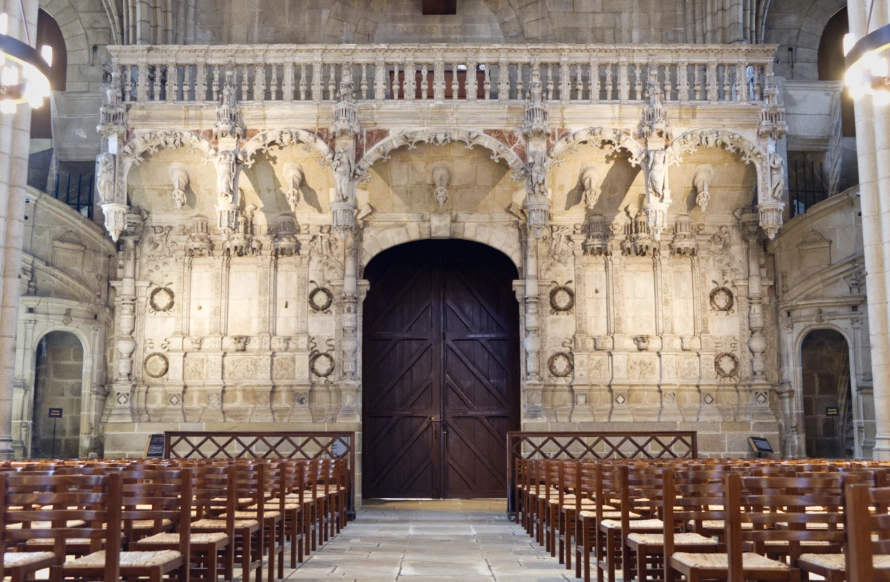
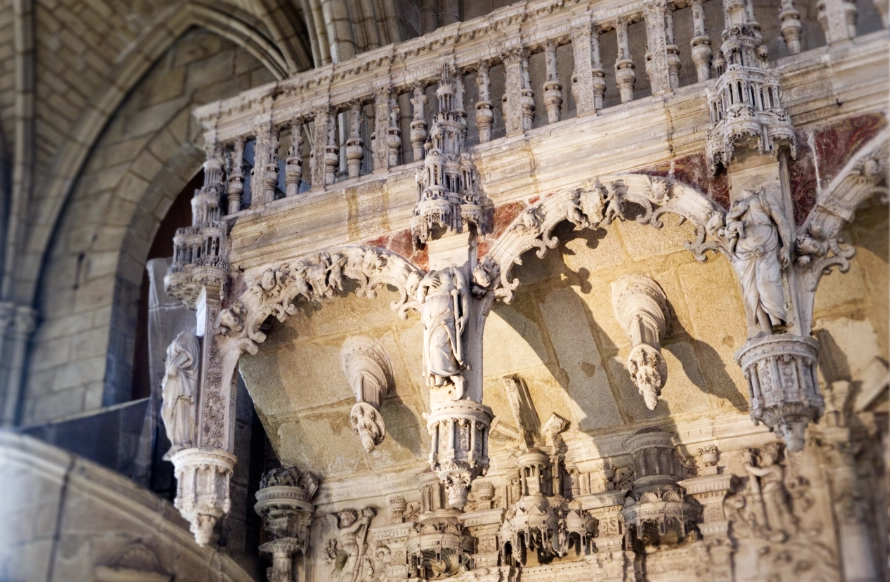
One of the standout features inside is the old Renaissance rood screen, or jubé Built in the early 1500s. The screen is decorated with scenes from the labours of Hercules, an interesting mix of classical myths tucked into a Christian church.
The tomb of Bishop Jean de Langeac
The tomb of Bishop Jean de Langeac is a must-see. Serving from 1533, he was a key figure who improved the cathedral, including its famous rood screen. His tomb, carved with dramatic Apocalypse scenes around 1541, stands as one of the cathedral’s finest Renaissance artworks, even after some damage during the Revolution.
The bell tower
The cathedral’s bell tower is an eye-catcher, too. It stands 62 metres tall and is slightly off-centre. Its base is Romanesque, part of the original church, though mostly hidden under later stonework, while the upper four levels are Gothic, creating the elegant structure you see today.
The Saint-Jean gate
Don’t miss the Saint-Jean gate on the cathedral’s north side. Built between 1516 and 1522, it’s a late Gothic masterpiece blending local style with Loire Valley influences. Construction slowed after the 1530s and resumed in the 19th-century restorations.
The Butcher’s District
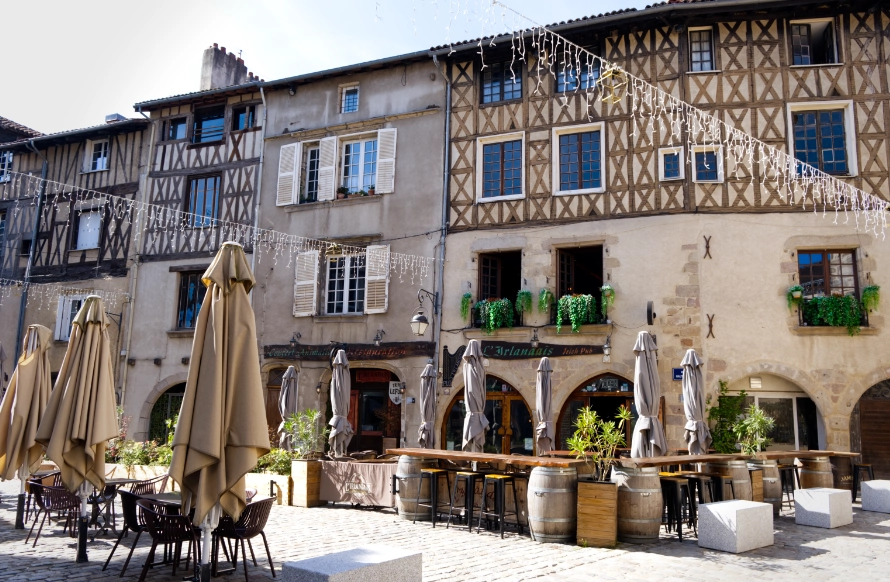
One of my favourite spots in Limoges has to be the Butcher’s District. Despite being a vegetarian, I love its rich history and close ties to food. For centuries, this neighbourhood was the bustling centre of Limoges’ butchery trade.
Limousin cattle breed
The district’s story is closely tied to the Limousin region’s remarkable reputation for cattle farming. The surrounding countryside has long been ideal grazing land, producing Limousin cattle, famous across France for their tender and flavoursome beef. It was only natural that Limoges’ butcher district would become the city’s centre for meat trade, benefitting from the local livestock’s quality.
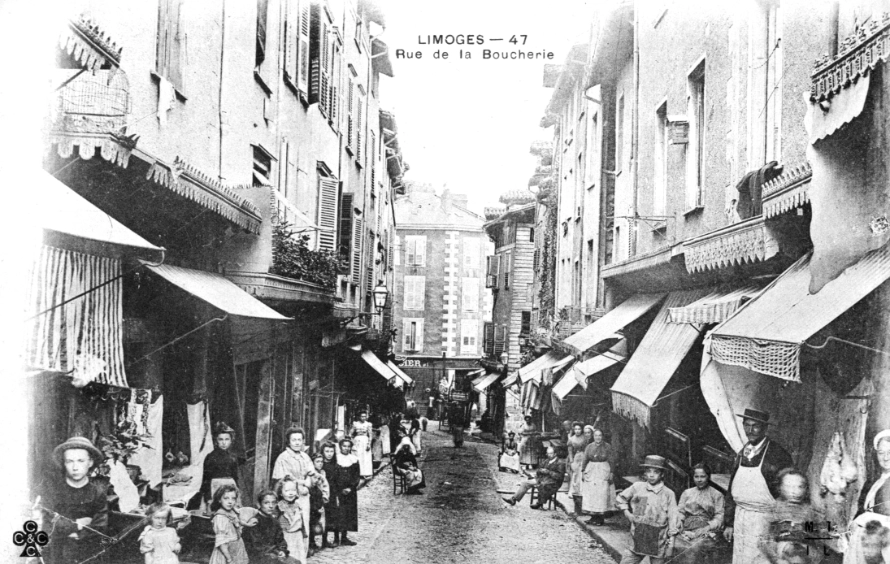
The district
The butcher trade was the lifeblood of this district. These were shops but also complete family businesses where traders lived above or beside their workshops, all inside charming timber-framed buildings. Many kept live cattle in backyards or courtyards, ready for processing. Imagining the sights and sounds of the time, it’s not hard to imagine that the air here carried a strong mix of smells from the butchery trade.
Several buildings, including the Maison Traditionnelle de la Boucherie, have been carefully preserved. These give visitors a window into how butchers lived and worked in past centuries—a hands-on, family affair that shaped the entire neighbourhood.
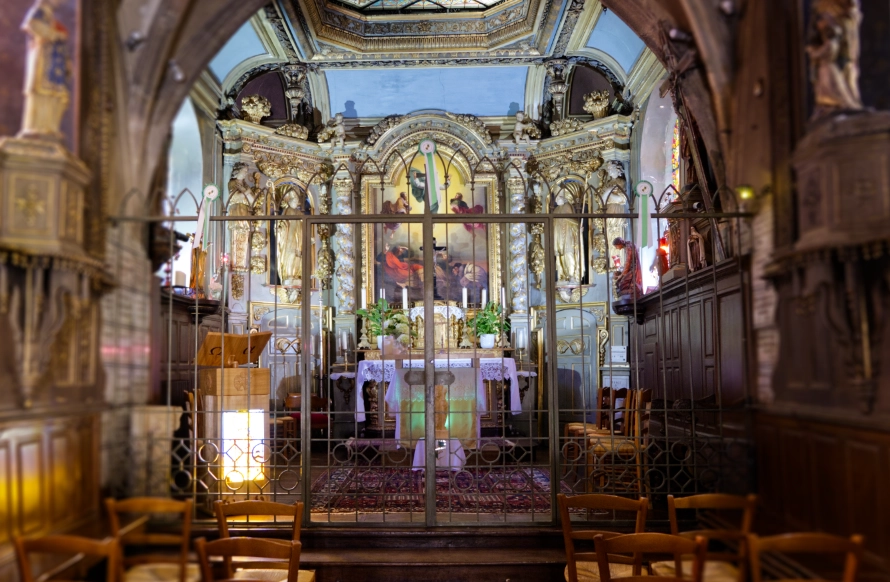
The Chapelle Saint-Aurélien
Faith also played a central role in the community. In 1315, the discovery of the relics of Saint Aurélien, the patron saint of butchers and Limoges’ second bishop, led local butchers to embrace him as their protector. Between 1471 and 1475, the butcher families built their own chapel, la chapelle Saint-Aurélien, on the site of an older chapel. This chapel became a spiritual centre not just for the butchers but for local residents. Originally part of the now-lost suburban parish of Saint-Cessateur, it was a place of worship for the whole community
When the French Revolution saw church property confiscated, the chapel was put up for auction. In a remarkable act of solidarity, two butchers secretly bought the chapel on behalf of all the district’s tradespeople, ensuring it stayed their spiritual home. Today, it remains a private chapel, open for worship, and stands as a lasting symbol of the butcher community’s unity and traditions.
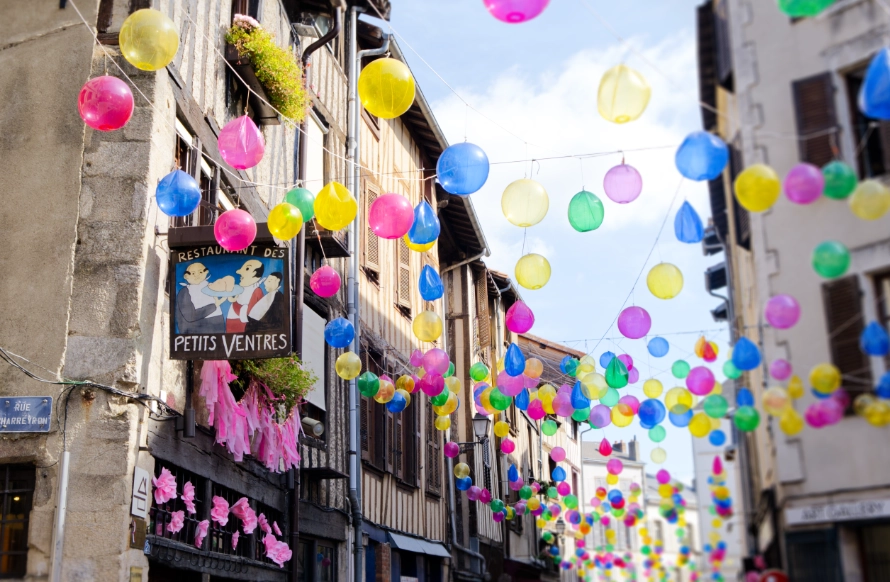
Frairie des Petits-Ventres
One of the neighbourhood’s most beloved events is the Frairie des Petits-Ventres, held each October on the third Friday. This festival celebrates the return of offal products to the market, following a summer pause in their production. The street buzzes with locals and visitors enjoying food stalls, drinks, and the warm buzz of conviviality, keeping old traditions alive
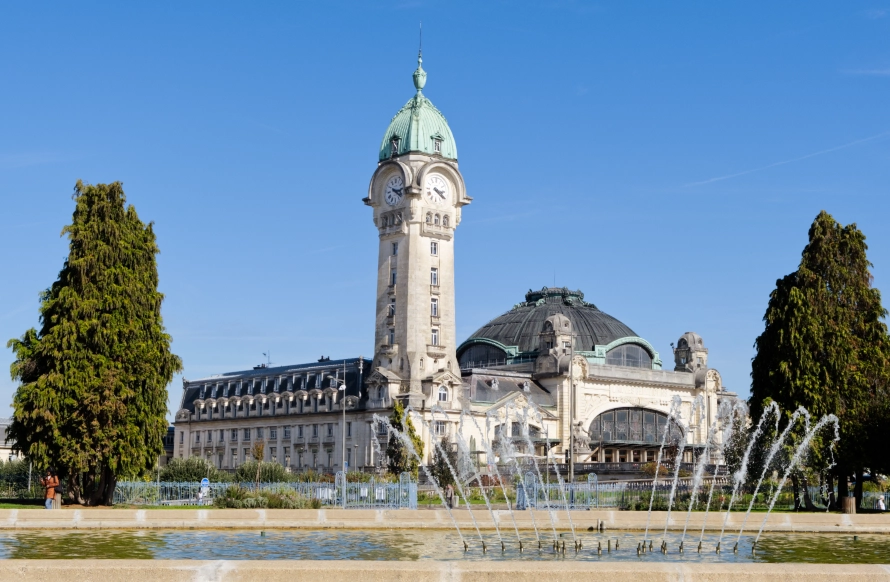
Gare Limoges-Bénédictins
My second favourite place after the butcher’s district is the beautiful train station. It’s one of the city’s architectural highlights and a symbol of Limoges’ subtle elegance. Built in the 1920s, this station stands out for its striking Art Deco style, complete with a soaring clock tower that overlooks the city.
Gare Limoges-Bénédictins was designed not just to be functional but to impress, reflecting the city’s pride and the importance of railway transport in the early 20th century. The station welcomed visitors with a sense of grandeur that was unusual for provincial French cities, hinting at Limoges’ ambition and cultural significance.
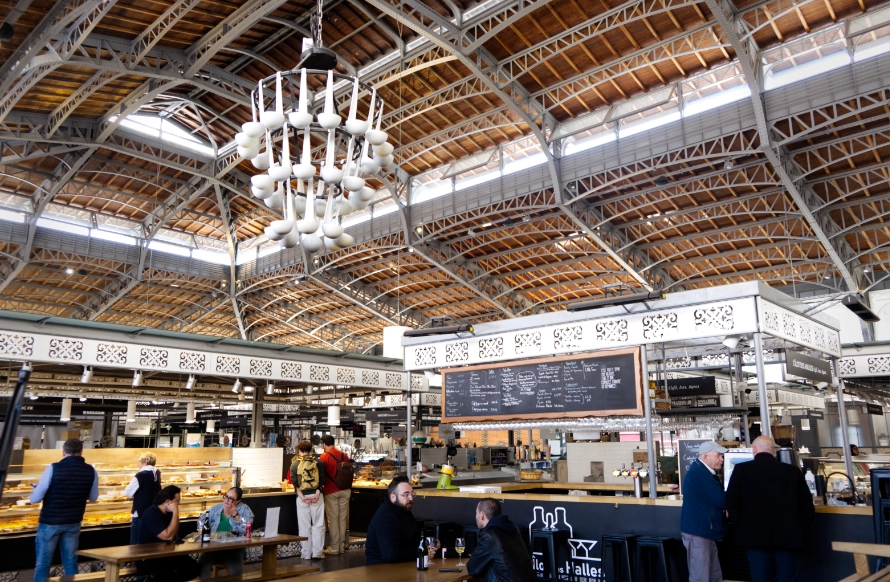
Les Halles Centrales: local market life
The covered market is exactly what you want from a French city market: lively, slightly noisy, and packed with stalls selling fresh local produce, cheeses, charcuterie, and pastries. Stop by here for a coffee, grab some local specialties, or just watch the vendors and locals doing their thing, the French way.
The blueberry tart Limoges
The “Tarte Myrtilles” de Limoges is a cherished dessert deeply linked to the cultural and natural heritage of the Limoges region and the surrounding Massif Central. Its main ingredient, the wild blueberry (myrtille), which grows abundantly in the local forests and uplands, making it a seasonal staple for rural communities. It remains one of Limoges’ most iconic treats, loved both by locals and visitors seeking a taste of authentic regional culture and can be found in most patisseries. If you want to bring Limoges into your kitchen, you can find the recipe here!
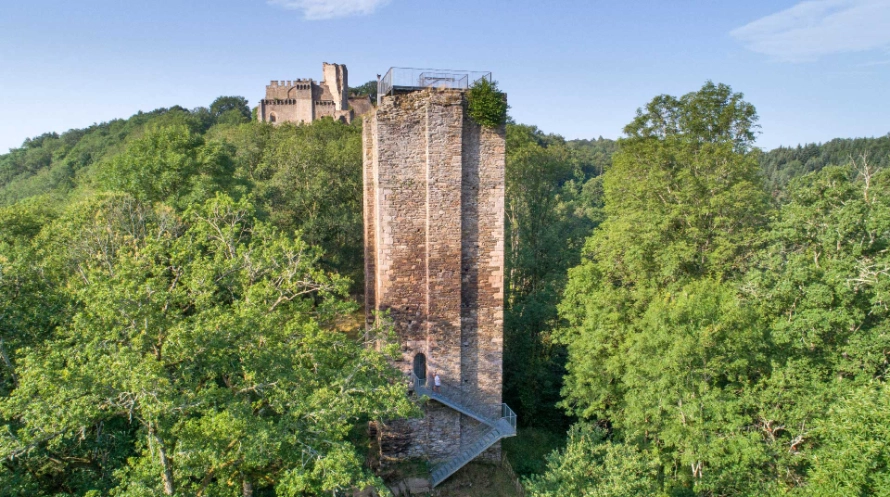
Château de Châlucet
The Château de Chalucet, located just 10 kilometres south of Limoges in the beautiful Vienne valley, is a fascinating medieval ruin with a dramatic history. This unique fortress was actually two castles in one: the original 12th-century stronghold, centred around the towering Tour Jeannette, and a later, grander fortified palace built nearby a hundred years later. Together, they formed one of the largest defensive complexes in the Limousin region.
Today, the ruins of Chalucet have been carefully preserved and are open to the public for free. Visitors can enjoy not only exploring the atmospheric remains but also step back in time through an augmented reality app. This app allows you to see the castle as it appeared at various points in history, bringing the site’s rich past vividly to life.
Reynou zoological park

If you’re travelling with kids or just enjoy wildlife, the Reynou Zoological Park is a pleasant day out. The zoo is home to a diverse range of animals, including European natives like lynx and otters, as well as exotic species. The enclosures are carefully designed to blend natural elements with visitor-friendly walkways, allowing you to observe the animals comfortably without feeling like you’re in a typical urban zoo cage.
The walking paths are easy to navigate, shaded by mature trees, and often follow the banks of a small river, adding to the feeling of being immersed in nature. You’ll find picnic areas and spots to rest, making it easy to spend several hours exploring at your own pace.
What to see and do in Limoges
- Musée National Adrien Dubouché
Discover the world’s largest public collection of Limoges porcelain and learn about the city’s rich ceramics tradition. - Cathédrale Saint-Étienne
Admire this impressive Gothic cathedral, featuring a Renaissance rood screen and striking bell tower. - Quartier de la Boucherie & Chapelle Saint-Aurélien
Stroll through the historic butchers’ district, lined with medieval timber-framed houses, artisan shops, and its unique chapel. - Gare Limoges-Bénédictins
Visit one of France’s most beautiful train stations, famous for its art deco architecture and soaring clock tower. - Musée de la Résistance
Explore local history and wartime stories at this moving museum set in a 17th-century convent. - Maison Bernardaud
Browse contemporary and classic Limoges porcelain at the city’s famous manufactory, don’t miss workshops and exhibitions. - Hidden porcelain motifs
Join the porcelain treasure hunt by spotting small blue tiles and motifs hidden around the city as a tribute to Limoges’ craft. - Reynou Zoological Park
Enjoy a family-friendly animal park just outside the city, featuring European and exotic species in spacious, natural surroundings. - Les Halles Centrales & local markets
Sample local products and regional dishes in the bustling covered market or at outdoor markets around town. - Limoges enamel and crafts
See stunning enamel work in museums and boutiques, a tradition even older than the city’s porcelain fame. - Events and festivals
Don’t miss the Frairie des Petits-Ventres each October, Limoges’ lively celebration of food and tradition in the Butcher’s District.
Practical information for visitors
- Getting there
Direct trains run from Paris to Limoges in about 3 hours, with regular services from major French cities. Limoges also has its own airport with flights from the UK and other European hubs. - When to visit
Visit from May to September for the best weather and lively outdoor events. Spring brings fresh greenery and festivals, summer is perfect for markets and street cafés, and autumn offers stunning local colours and smaller crowds. Winters are quieter with a cosy feel in the historic centre. - Accommodation
Central hotels include Hôtel de France and Hôtel Mercure, both offering comfortable stays steps from main sights. Quaint B&Bs and boutique options are also dotted around the old town for those after local charm.