Mulled Wine
Mulled Wine
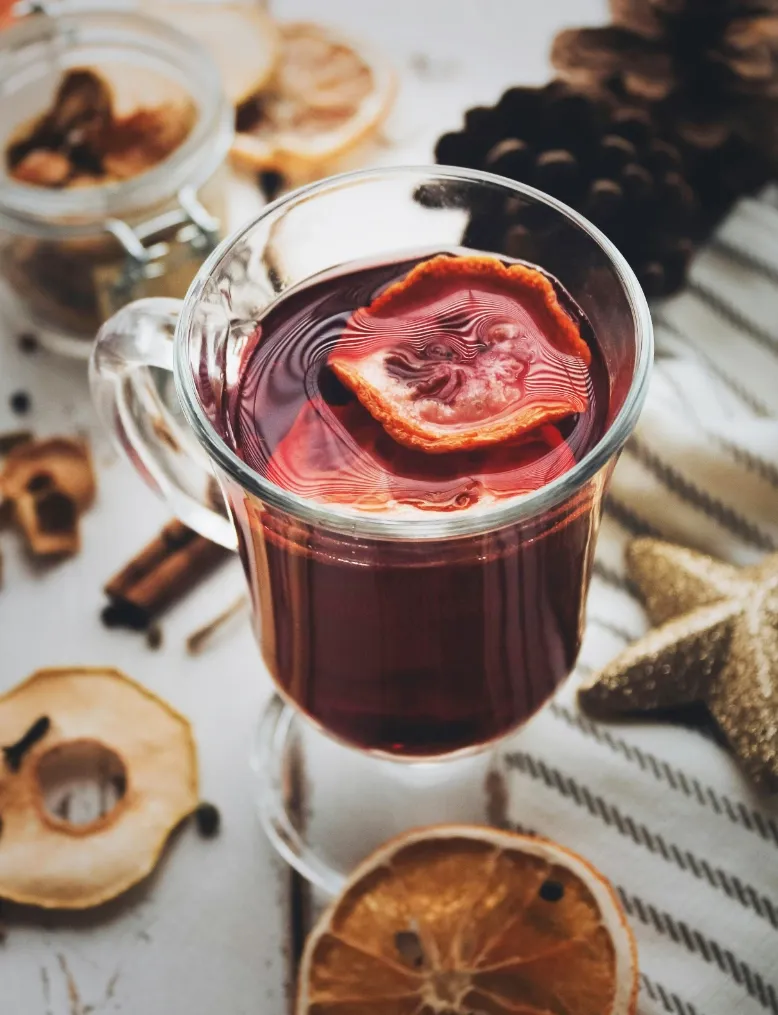
The classic French winter warmer. Red wine simmered with cinnamon, star anise, cloves, and orange until it's fragrant and steaming, sweetened just enough to balance the spices. It tastes warming and slightly sweet, with that deep spiced-fruit flavor that fills your mouth and throat with heat. The drink you cup in both hands at Christmas markets when it's freezing, breathing in the steam before each sip. Simple, comforting, and exactly what you want when it's cold outside.


Ingredients

- 750 ml red wine a decent Côtes du Rhône works
- 2 orange 1 sliced, 1 juiced
- 100 gr caster sugar adjust to taste
- 2 cinnamon sticks
- 4 cloves
- 2 star anise
- 3 cardamom pods
- 1 vanilla pod
- 50 ml cognac or brandy, for extra warmth
Equipment
Instructions
- 1. Prep your spicesLightly crush the cardamom pods with the flat of a knife. Split the vanilla pod lengthways and scrape out the seeds (chuck both pod and seeds in). Slice one orange into rounds.
- 2. Combine everythingPour the wine into a large saucepan. Add the sugar, orange slices, orange juice, and all the spices. Give it a good stir to dissolve the sugar.
- 3. Heat gently, don't boilThis is crucial. Put the pan over a low heat and warm it through for 15-20 minutes. You want it steaming and fragrant, but if it boils, you'll cook off all the alcohol and end up with expensive fruit juice. Keep it just below simmering point.
- 4. Taste and adjustAfter 15 minutes, taste it. Too sweet? Add a squeeze more orange juice. Not sweet enough? Bit more sugar. Want it stronger? Splash in some brandy or cognac now.
- 5. Strain and serveUse a fine sieve to strain out the spices and orange slices. Ladle into heatproof glasses or mugs whilst still hot. Stick an orange slice or cinnamon stick in each glass if you're feeling decorative.
Notes
- For the wine, don’t use anything expensive, but don’t use absolute paint stripper either. A basic French red, Côtes du Rhône, Merlot, or even Beaujolais works perfectly. The spices do the heavy lifting.
- French mulled wine tends to be less sweet than German glühwein. Start with 100g and adjust. Some people like it barely sweetened, others want it properly syrupy.
- The cinnamon, cloves, and orange are non-negotiable. Everything else is fair game. Some recipes add fresh ginger, nutmeg, or a bay leaf. Experiment!
- If you would like an alcohol-free versio, use red grape juice instead of wine and add a bit of lemon juice for acidity. Works surprisingly well for kids or if you’re driving.
- You can prep this a few hours in advance and just reheat gently before serving. In fact, it tastes better if the spices have had time to infuse properly.
About this recipe
French Mulled Wine or “vin chaud” has been warming up cold French hands since the Middle Ages. Back then, they called it “hypocras” and loaded it with spices, partly for flavour, mostly to hide the taste of wine that had gone a bit dodgy. The aristocracy drank it as a digestif. Everyone else drank it because it was cheaper than buying fresh wine.
These days, it’s the official drink of French winter. Christmas markets, ski chalets, outdoor ice rinks, anywhere it’s cold enough to see your breath, someone’s selling French Mulled Wine. The smell alone is enough to make you nostalgic for places you’ve never been.
French Mulled Wine vs everyone else’s mulled wine
The French aren’t the only ones who figured out that hot spiced wine makes winter bearable. Germans have glühwein, which tends to be sweeter and often uses white wine in some regions. The Scandinavians make glögg with added almonds and raisins (and enough alcohol to forget it’s -20°C outside). Italy does vin brulé, and the British have been making mulled wine since Roman times, though we mainly drink it whilst decorating the tree.
The Christmas Market effect
If you’ve ever been to a French Christmas market, Strasbourg, Lyon, even the one in your local French town, you’ll know “vin chaud” is basically the entry fee. You buy a cup (usually for a €1-2 deposit on the mug), wrap your hands around it, and pretend you’re enjoying wandering around in the freezing cold looking at overpriced wooden toys and artisan soap.
The recipe hasn’t changed much in decades. Wine, sugar, orange, cinnamon, cloves. Maybe some star anise if they’re feeling fancy. That’s it. They’ll heat it in massive pots all day, ladling it out to half-frozen tourists who swear it’s the best thing they’ve ever tasted (though that might just be the cold talking).
Share your feedback and spread the love!
If you try this French Mulled Wine recipe, I’d love to hear how it turns out! Leave a ★★★★★ rating and your thoughts in the comments, it helps fellow food lovers discover this recipe too. Snap a photo and tag @frogsinbritain on Instagram if you’re sharing your bake online. Don’t forget to save this recipe to Pinterest so you’ll always have it handy for your next French-inspired meal!
Disclosure: This post contains sponsored content and/or affiliate links. If you make a purchase through these links, I may receive a small commission at no extra cost to you. All opinions are my own!