Fête du Cognac
Fête du cognac: a three-day festival
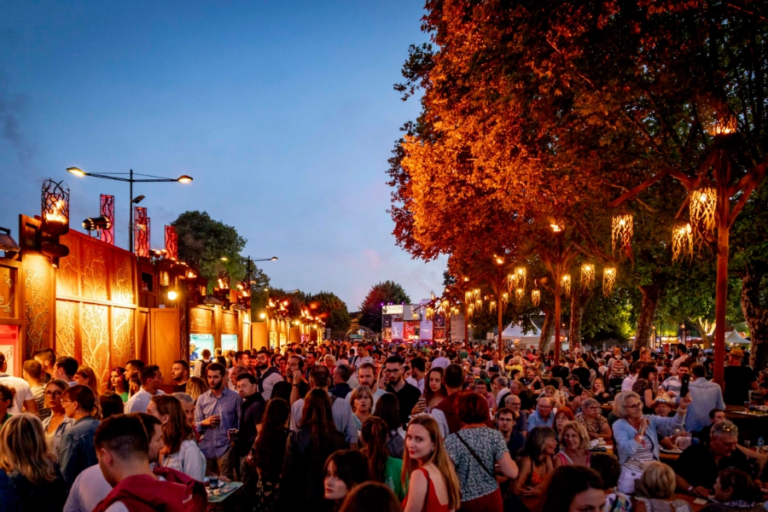
The Fête du Cognac is a summer festival in the town of Cognac, in France’s Charente region. It happens over three evenings in July, the 2026 edition, for example, is set for 23‑25 July. The event centres on the region’s most famous product, cognac, but it’s not limited to the spirit. Local wines, Pineau des Charentes, and regional food are also on offer. The festival takes place outdoors, either along the quays and marina or, more recently, at the Parc des Sports area. The space is lively but manageable, and it’s designed so visitors can wander between tasting bars, food stands, and stages without feeling rushed.
A brief history
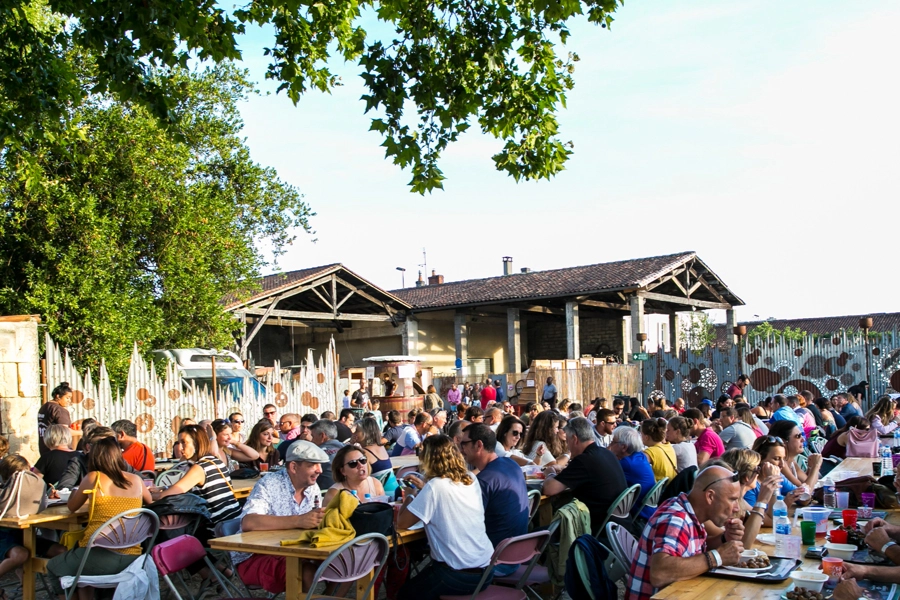
The story begins in 1997, when a handful of enthusiastic young winegrowers cooked up an idea that seemed modest at first: why not create a festival that celebrated the region’s signature spirit in a way that found its roots back at home? Cognac, often known to outsiders as a luxury export, needed a homecoming, they thought. This started as a small harvest-time gathering, with tasting tents and some homemade food, graced by local musicians.
Fast forward a couple of decades, and the event has blossomed into a bona fide festival, attracting upwards of 30,000 visitors each summer festivaliers! It blends professional staging, a diverse lineup of both French and international artists, and a proudly local showcase of Charente’s gastronomic riches. It was, in a sense, a homecoming for cognac itself: from export warehouses and luxury boutiques back to the hands that make it.
What is cognac, anyway?
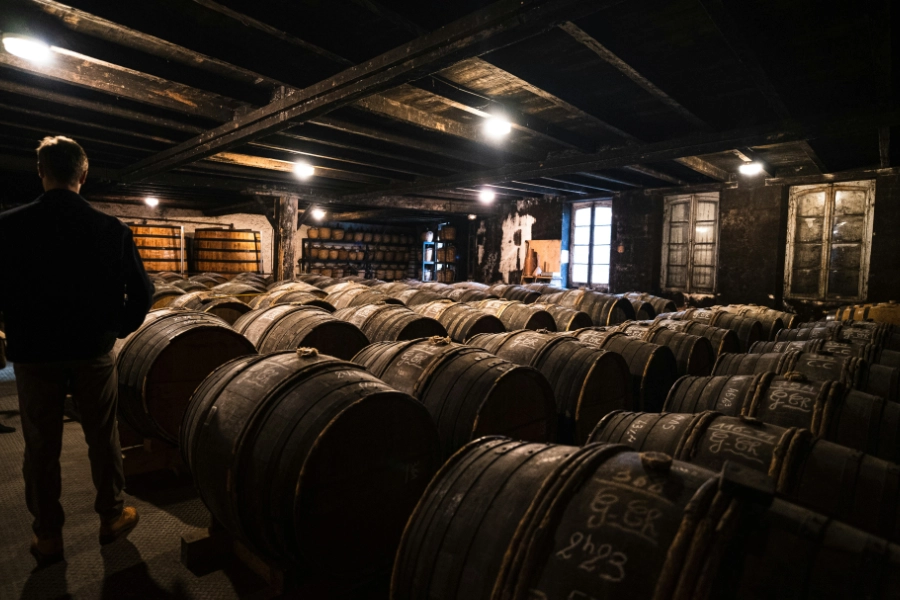
The drink at the heart of it all has a story that stretches back five centuries. The origins link to 16th-century Dutch merchants who distilled wine in order to transport it without spoiling. The process refined over generations, today, each drop must come only from grapes harvested within six officially delineated crus surrounding Cognac itself, distilled twice in copper Charentais stills, and aged for years (sometimes decade!) in oak barrels from nearby Limousin forests.
It’s an art form wrapped in rules, but it’s also a way of life here. Roughly 17,000 locals work directly in the cognac trade, and another 50,000 indirectly benefit from it, out of a total regional population of under a million. The Fête du Cognac is as much a tribute to these people as it is to the liquid itself, a well-deserved celebration of the farmers, distillers and coopers who keep an age-old craft alive.
The festival experience
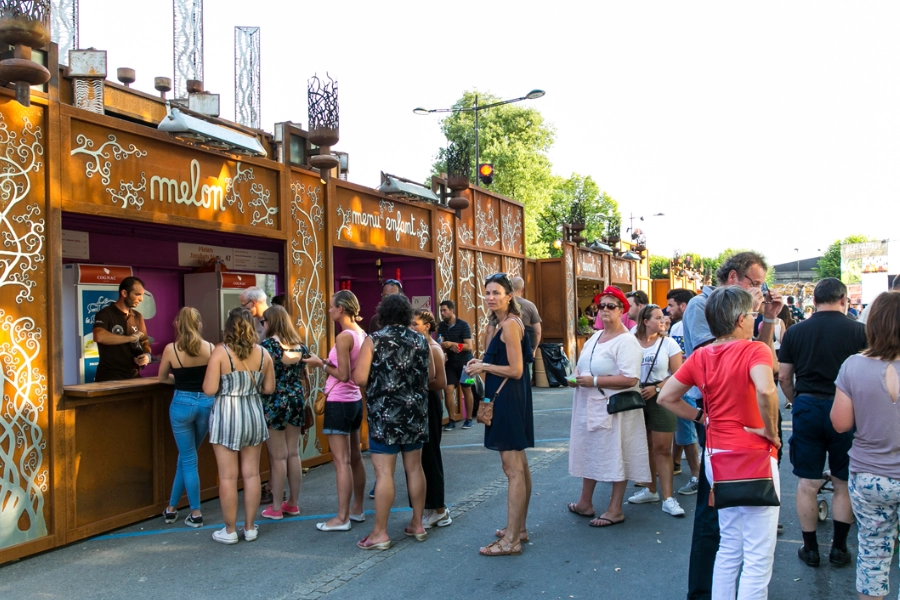
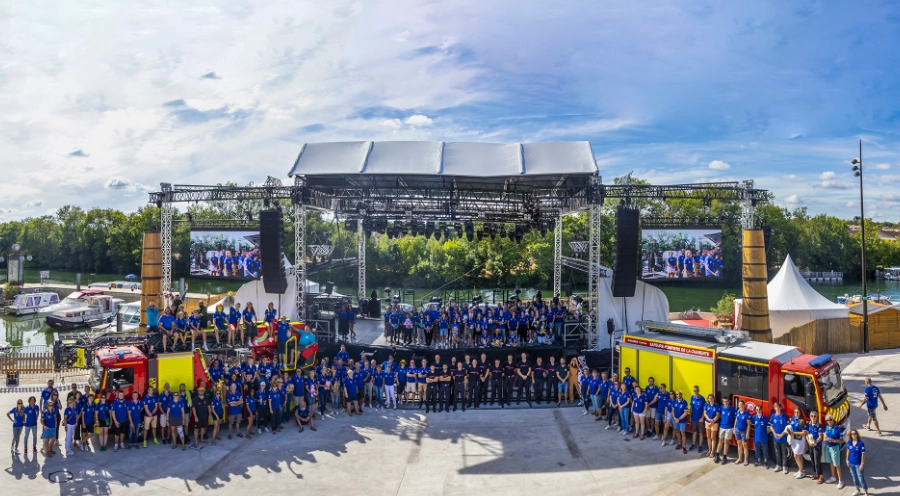
Held at the Parc François 1er, the festival grounds are strategically located near the heart of Cognac, making it easily accessible for both locals and visitors. The atmosphere is energetic yet relaxed, with festival-goers meandering between tasting booths, food stalls, and music stages.
The event unfolds at the Quai de la Salle Verte or the adjacent rugby ground annexe, opening at 6pm and lasting until 2am. Seven bars are positioned throughout, offering cognac neat, mixed with tonic for a lighter option, or in straightforward cocktails. Tables fill up as people settle in with plates of mussels or charcuterie. The atmosphere stays laid-back; conversations flow between groups, families keep an eye on children playing nearby, and as dusk falls, attention shifts to the stage for the evening’s performances.
Food and drinks to try
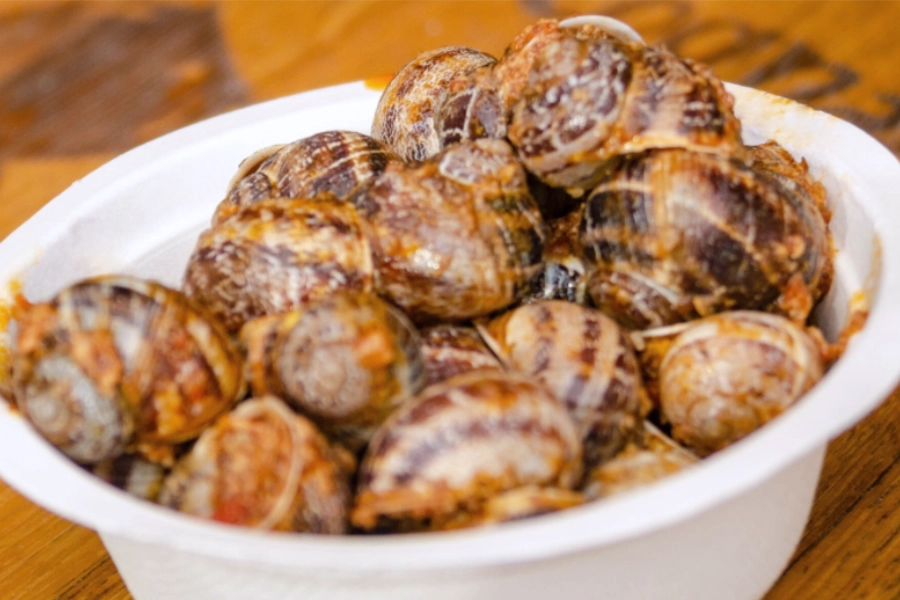
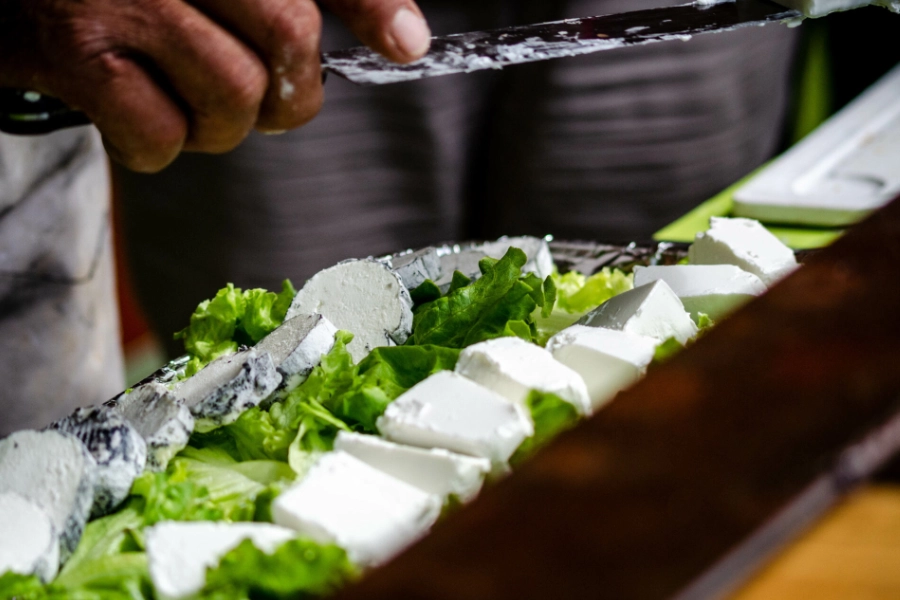
You could easily come for the music and stay for the food. Throughout the weekend, local producers proudly display their goods, cooperative winemakers, oyster farmers from Marennes-Oléron, and bakers selling the galette charentaise, fragrant with angelica. By day, the port area transforms into a series of open-air dining halls under strings of lights and colourful bunting. Rows of wooden stalls sell Charentais melon, Marennes oysters, pineau des Charentes, and the region’s tender escargots cagouilles, cooked in garlic and white wine. Each corner offers a new aroma, grilled fish by the water, warm galettes, a hint of oak and spirit drifting from the cocktail bars. You can sip a Summit cognac cocktail, the now-famous local mix of cognac, lime, ginger ale, and mint, or choose a simple VSOP served over ice.
There’s also a growing emphasis on sustainability; many of the food stalls use compostable dishes and locally sourced ingredients, reducing waste and celebrating terroir at its purest.
The Economic Ripple
Beyond the music and festivities, the festival has measurable impact. According to the BNIC (Bureau National Interprofessionnel du Cognac), the wider cognac industry is critical to regional life, supporting tens of thousands of jobs and funding agricultural innovation. The festival itself injects a substantial boost into the local economy each summer, hotels and guesthouses fill up, restaurants pack out, and local taxis and river cruises enjoy a rare three-day boom.
For small producers, the exposure is invaluable. Many report significant sales after meeting visitors at the Fête du Cognac, who later track down their labels abroad. In that way, the festival functions almost as a trade fair, albeit one laced with good humour and music rather than business suits.
Planning a Visit
If you’re tempted (and it’s hard not to be), planning ahead is wise. Hotels in and around Cognac, from riverside B&Bs to vineyard gîtes, fill quickly once ticket sales open in spring. The nearest airports are Bordeaux Mérignac and La Rochelle, both about a 90-minute drive. There’s also a direct train line from Paris via Angoulême, which connects visitors to the town centre within two hours.
The festival site itself is walkable, compact, and dotted with food stalls and shaded areas. Bring comfortable shoes, sunscreen, and perhaps a light jumper for those late-night sets by the water.
From local secret to cultural treasure
Nearly three decades on from its humble beginnings, the Fête du Cognac stands as one of the finest examples of how rural France reinvents itself without losing its soul. The founders’ vision, to celebrate a local product through music and community, feels as relevant as ever in an age hungry for authenticity. The drinks are local, the food comes from nearby fields and rivers, and the music, well, that’s for everyone.
If you wander down to the quay on one of those July evenings, you’ll find a crowd swaying to brass riffs under warm lights, the smell of melting butter and cognac wafting through the air. Someone will hand you a glass, another will tell you where they’ve come from, and you’ll realise that this little Charente festival has done something remarkable.