Crottin de Chavignol: Loire Valley Goat Cheese Collection
Introduction
The Loire Valley doesn’t just make wine. It makes goat cheese, and it makes it better than almost anywhere else. The region’s chalky soils, temperate climate, and centuries of cheesemaking tradition produce some of France’s most distinctive goat cheeses. These aren’t the fresh, spreadable goat cheeses you find everywhere. These are aged, complex, AOC-protected cheeses with real character and history.
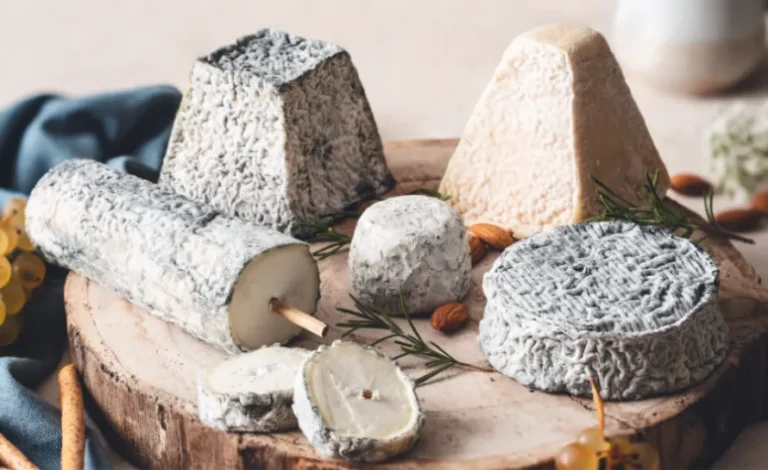
Crottin de Chavignol is the most famous, the small round from Sancerre that pairs perfectly with the local wine. But the Loire Valley offers four other essential goat cheeses, each with its own shape and personality. Valençay comes in a distinctive truncated pyramid. Sainte-Maure de Touraine is the log with a straw running through its center. Selles-sur-Cher is the ash-coated disc. And Pouligny-Saint-Pierre stands tall in its pyramid shape, nicknamed the Eiffel Tower. All five have AOC protection, all come from specific Loire terroirs, and all show what happens when goat’s milk meets proper aging and traditional methods.

✱ Crottin de Chavignol
Made in
Sancerre region (Cher and Nièvre)
Milk
Raw or pasteurized goat’s milk
Aged
10 days to several months
AOP/PDO Status
Yes (AOC since 1976)
Fat content
45% minimum
Origin and Production
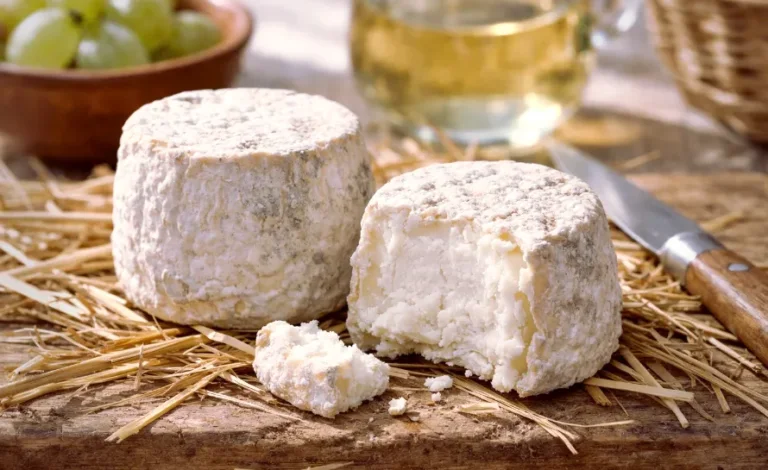
Crottin de Chavignol comes from the village of Chavignol near Sancerre in the eastern Loire Valley and has been made since the 16th century. The name “crottin” comes from the Berrichon word “crot,” meaning “hole”, originally referring to holes dug along riverbanks where people washed clothes or watered livestock. The clay from these riverbanks was shaped into small containers resembling oil lamps, which eventually became the molds used to drain the cheese curd. The cheese took its name from these molds, not from any resemblance to animal droppings as some might assume! Each small round weighs just 60 grams when fresh. The cheese is made from the milk of Alpine and Saanen goats that graze on the region’s chalky hillsides. Production follows strict AOC guidelines regarding milk sourcing, production methods, and aging.
Taste and Texture
Crottin de Chavignol transforms dramatically with age. Young (blanc), it’s soft, mild, and slightly tangy with a moist, creamy texture. At two weeks (demi-sec), it firms up and develops nuttier flavors. Fully aged (sec), it becomes hard, crumbly, and intensely flavored with pronounced earthy, barnyard notes. The rind develops from smooth white to rough and brownish-grey with age. This versatility makes it unique among Loire goat cheeses.
Culinary Uses
The classic pairing is with Sancerre white wine, the acidity cuts through the cheese’s richness perfectly. Young crottins are excellent on salads (salade de chèvre chaud) when warmed and placed on toasts. Aged crottins are grated over pasta or enjoyed with crusty bread. The cheese works at every stage of aging, offering different experiences.
Seasonal Availability
Year-round, though traditionally best from spring through autumn when goats are on pasture.
✱ Valençay
Made in
Berry region (Indre)
Milk
Raw or pasteurized goat’s milk
Aged
5 weeks minimum
AOP/PDO Status
Yes (AOC since 1998)
Fat content
45% minimum
Origin and Production
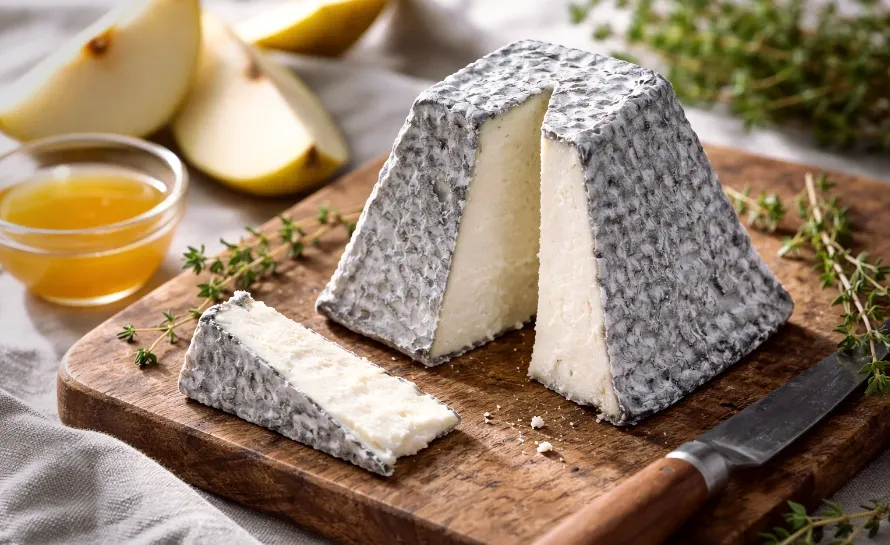
Valençay comes from the Berry region of the Loire Valley and takes its name from the town of Valençay, home to a famous château. The cheese’s distinctive truncated pyramid shape has an interesting legend, supposedly Napoleon, returning from his Egyptian campaign, lopped off the top of the pyramid in frustration, creating the flat-topped form we see today. The cheese is coated with wood ash (traditionally charcoal from vine cuttings), which helps preserve it and creates a distinctive grey-blue rind.
Taste and Texture
Valençay is elegant and refined with a nutty, slightly tangy flavor and subtle earthiness from the ash coating. The texture is dense and smooth when young, becoming creamier near the rind as it ages. The paste is bright white, contrasting beautifully with the dark ash coating. Flavor intensifies with age but remains balanced and complex rather than aggressive. The ash adds a pleasant minerality.
Culinary Uses
Served at room temperature on cheese boards, paired with Loire Valley whites like Sancerre or Pouilly-Fumé. The ash coating makes it visually striking on a cheese plate. Excellent with walnuts, honey, or fig jam. Also works well in salads or on tartines. The pyramidal shape makes for elegant presentation when sliced.
Culinary Uses
Year-round, though best from spring through early winter.
✱ Sainte-Maure de Touraine
Made in
Touraine region (Indre-et-Loire and neighboring departments)
Milk
Raw or pasteurized goat’s milk
Aged
10 days minimum
AOP/PDO Status
Yes (AOC since 1990)
Fat content
45% minimum
Origin and Production
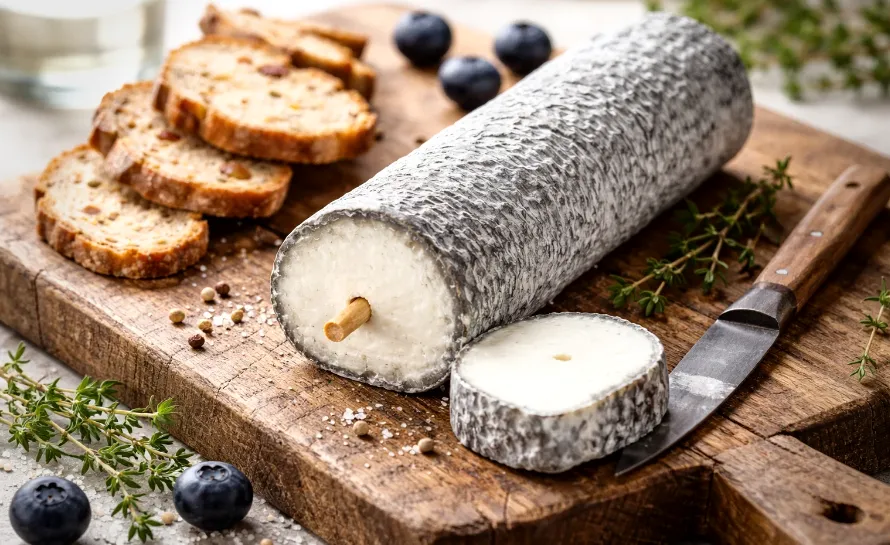
Sainte-Maure de Touraine is the iconic log-shaped goat cheese from Touraine, instantly recognizable by the long rye straw (paille de seigle) running through its center. The straw serves a practical purpose, it prevents the soft cheese from collapsing and allows air circulation during aging. It’s also stamped with the producer’s identification. The cheese has been made in the region since the 8th century. Each log weighs around 250 grams and is lightly dusted with wood ash.
Taste and Texture
Sainte-Maure de Touraine has a delicate, creamy texture when young, becoming firmer and more crumbly with age. The flavor is mild and slightly tangy with hazelnut notes and a subtle lemony acidity. The ash coating adds a gentle earthiness. The texture varies from the outside in, creamier near the rind, denser in the center. It’s more subtle and refined than some Loire goat cheeses, appealing to those who prefer gentler flavors.
Culinary Uses
Perfect for cheese boards, served with Vouvray or Chinon from the same region. Excellent on toast or in salads, either fresh or lightly grilled. The log shape makes it easy to slice into rounds for elegant presentation. Also used in local Touraine dishes and pairs beautifully with Loire Valley wines, whether white, rosé, or light red.
Culinary Uses
Year-round, though farmhouse versions are best from April through November.
✱ Selles-sur-Cher
Made in
Berry and Sologne regions (Loir-et-Cher, Indre, Cher)
Milk
Raw or pasteurized goat’s milk
Aged
10 days minimum
AOP/PDO Status
Yes (AOC since 1975)
Fat content
45% minimum
Origin and Production
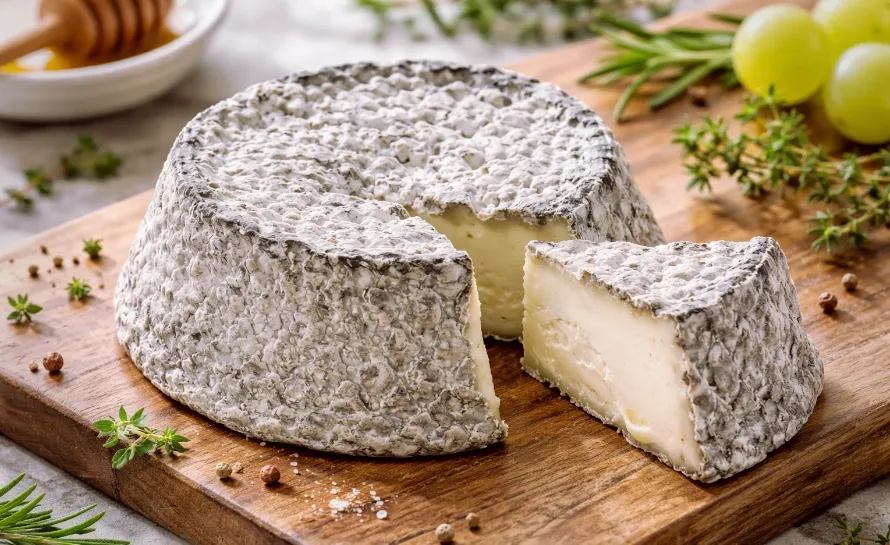
Selles-sur-Cher takes its name from the town of Selles-sur-Cher in the Sologne region. The flat disc-shaped cheese has been made since the 19th century and is one of the most recognizable Loire Valley goat cheeses due to its distinctive ash coating. The cheese is dusted with salted charcoal from vine wood, which creates a blue-grey rind that contrasts with the bright white interior. Each cheese weighs around 150 grams with a wide, flat profile.
Taste and Texture
Selles-sur-Cher is mild and creamy with a delicate goat flavor and a pleasant nuttiness. The texture is firm yet smooth, less crumbly than aged crottins but denser than fresh chèvre. The ash coating adds a subtle mineral quality and slight saltiness. The flavor is balanced and approachable, not too tangy or aggressive, making it accessible to those new to aged goat cheese. As it matures, it develops more complex earthy notes.
Culinary Uses
Excellent on cheese boards paired with Loire whites, particularly Reuilly or Quincy. Works beautifully in salads, on toast, or simply with crusty bread and butter. The flat shape makes it easy to cut into wedges. Pairs well with light red wines like Sancerre rouge. The ash coating makes it visually distinctive, adding interest to any cheese presentation.
Culinary Uses
Year-round, though best from late spring through autumn.
✱ Pouligny-Saint-Pierre
Made in
Berry region (Indre)
Milk
Raw or pasteurized goat’s milk
Aged
2 weeks minimum
AOP/PDO Status
Yes (AOC since 1972)
Fat content
45% minimum
Origin and Production
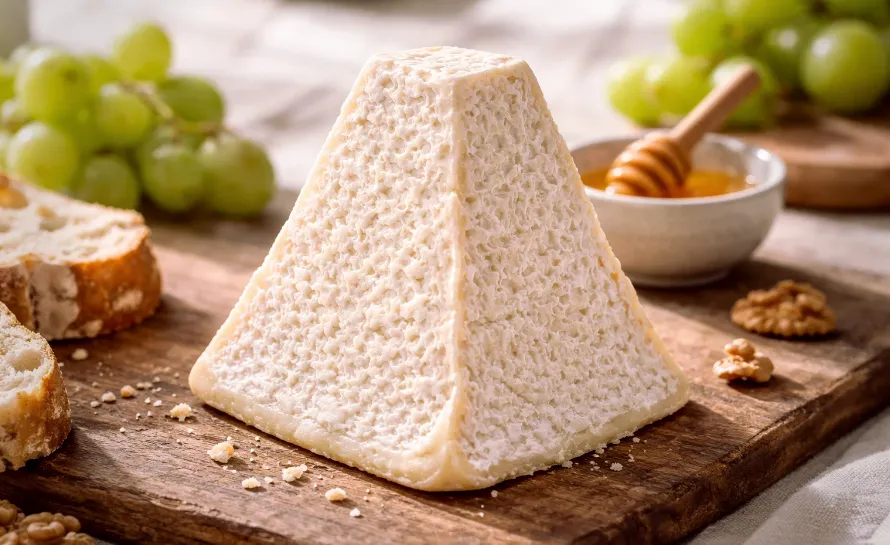
Pouligny-Saint-Pierre comes from the Berry region and is nicknamed “la Tour Eiffel” or “la Pyramide” for its distinctive tall pyramid shape. The cheese has been made since the 18th century and is one of the most elegant-looking French goat cheeses. Each pyramid weighs around 250 grams and stands about 12-13 cm tall. The shape isn’t just aesthetic, it allows the cheese to drain properly and develop its characteristic texture. Natural molds develop on the rind, creating a blue-grey coating.
Taste and Texture
Pouligny-Saint-Pierre is complex and refined with a pronounced goat flavor that’s tangy but balanced, never overpowering. The texture varies dramatically from outside to center, creamy and soft near the rind, denser and more chalky in the middle when young. With age, it becomes uniformly creamy and develops deeper, more savory notes with hints of hazelnut and mushroom. The rind contributes pleasant earthy flavors.
Culinary Uses
Best served at room temperature on cheese boards where its dramatic shape makes an impression. Pairs excellently with Loire whites like Sancerre or Pouilly-Fumé, or light reds from Touraine. The pyramid shape makes it a conversation piece while the flavor satisfies serious cheese lovers. Can be drizzled with honey or served with walnuts and fresh fruit. Also works on salads when sliced into elegant triangles.
Culinary Uses
Year-round, though farmhouse versions are best from spring through autumn.
Conclusion
Crottin de Chavignol might be the name everyone knows, but these five together show you what Loire Valley goat cheese actually means. Each has its own shape, its own aging trajectory, and its own personality, but all share that fundamental Loire character, chalky terroir, careful aging, and centuries of getting it right. Bring them to room temperature, pour a glass of Sancerre, and you’ll understand why this stretch of river produces some of the world’s best goat cheese. That’s not regional pride. That’s just paying attention to what works.
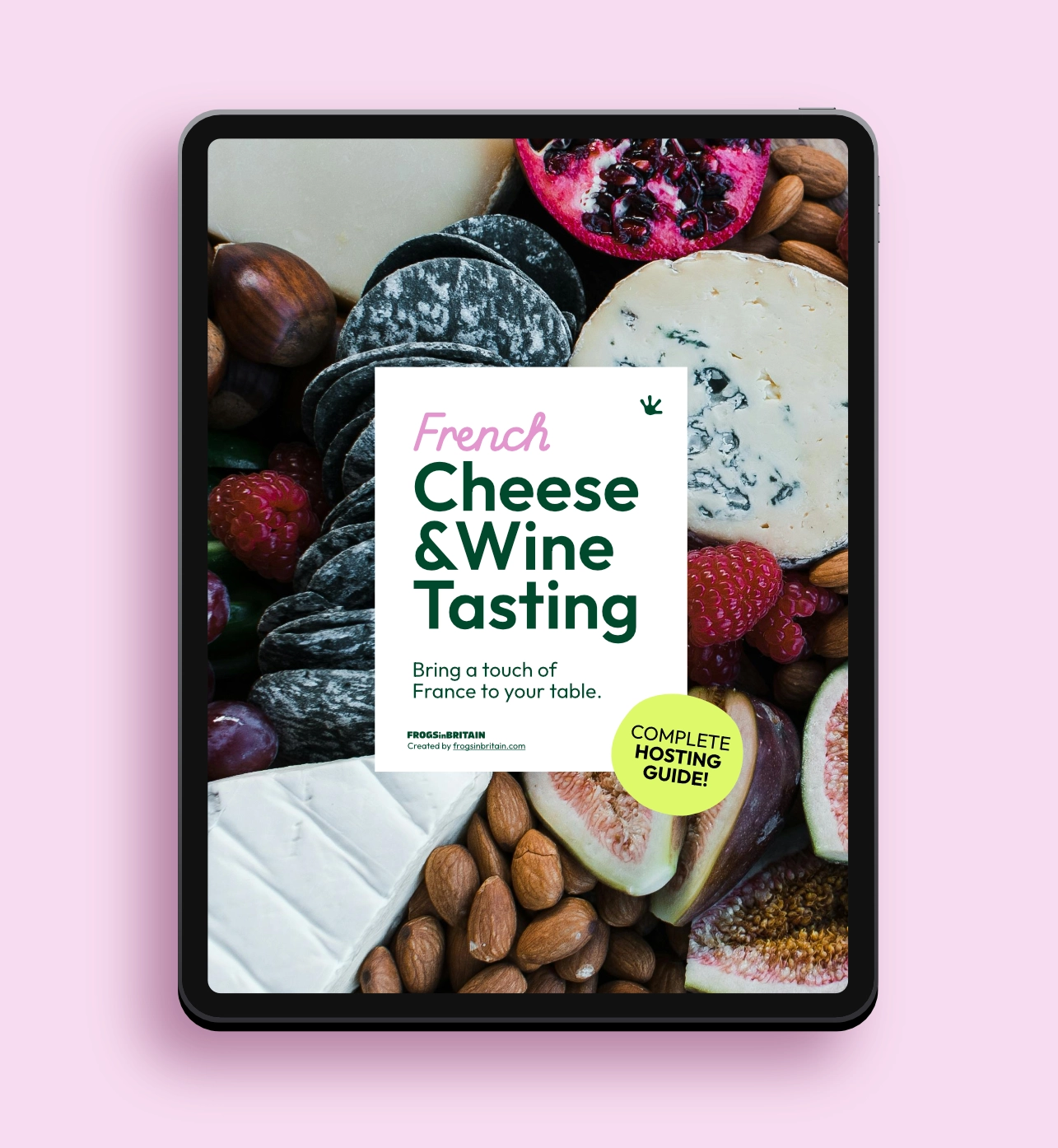
A Complete Hosting Guide
This complete guide takes the intimidation out of French cheese and wine hosting, so you can create an impressive, memorable evening that feels effortless.
Just so you know, a few links here earn us a commission. Doesn’t cost you anything extra, and we only link to things that are actually worth your time.