Fresh French Cheeses: Fromage Frais and 4 Classics
Introduction
Fresh cheese is what French people eat when they’re not trying to impress anyone, and that’s exactly when it’s worth paying attention to. Cheeses like Fromage Frais don’t have rind, don’t need ageing, and don’t come with stories about medieval monks or terroir. They’re just milk, time, and sometimes cream. Which is precisely why they’re so good.
Walk into any supermarket in France and you’ll find these five on every shelf. They turn up at breakfast with honey, at lunch on salads, at dinner with berries. They’re what locals reach for without thinking, which tells you everything. They’re the foundation of French dairy life, the cheeses that work everywhere because they’re not trying to be anything other than what they are.
✱ Fromage frais
Made in
Throughout France
Particularly Northern France and Loire Valley
Milk
Cow’s milk – Sometimes mixed with goat’s milk
Aged
Not aged (fresh)
AOP/PDO Status
No
Fat content
Varies from 0% to 8%
Origin and Production
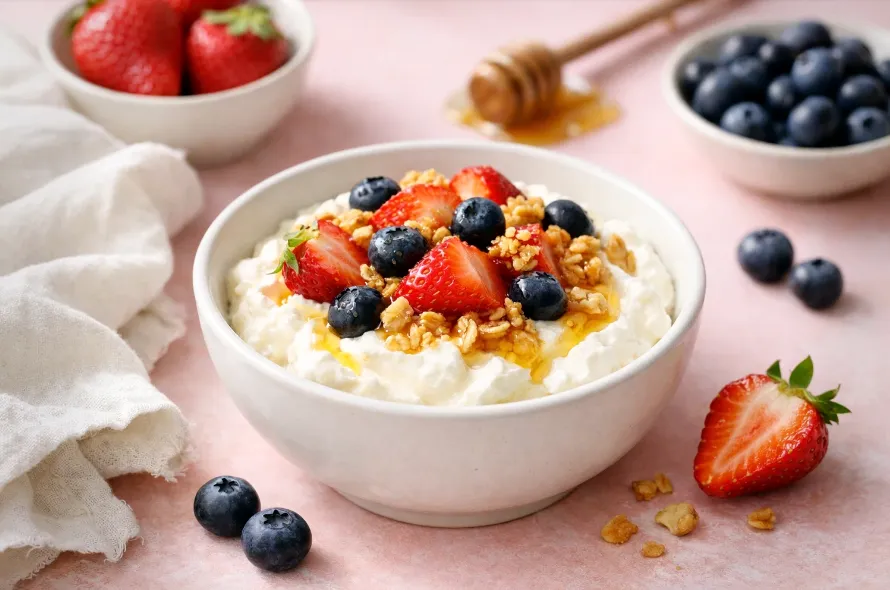
Fromage Frais, literally “fresh cheese,” is the most basic French fresh cheese. It’s made from cow’s milk with minimal processing, simply curdled, drained, and packaged. Production happens throughout France, though it’s particularly associated with Northern France and the Loire Valley. The cheese requires no aging and is consumed within days of production.
Taste and Texture
Fromage Frais has a smooth, creamy texture similar to thick yogurt or soft cream cheese. It’s mild and slightly tangy with a clean, fresh dairy flavor. The consistency ranges from spoonable to spreadable depending on the moisture content and fat percentage.
Culinary Uses
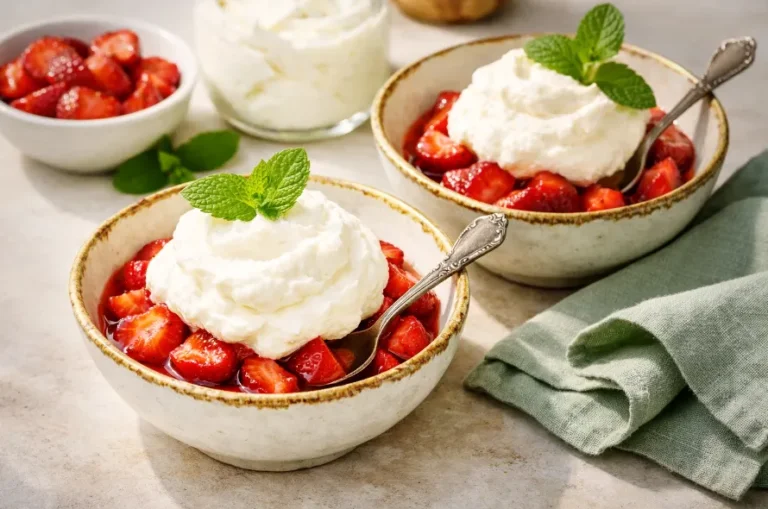
Incredibly versatile, eaten plain with honey or fresh fruit, used as a base for dips and spreads, incorporated into desserts and cheesecakes, or as a lighter substitute for cream cheese or sour cream. It’s also used in savory sauces and as a topping for baked potatoes.
Seasonal Availability
Year-round
✱ Fromage Blanc
Made in
Northern France and Loire Valley
Milk
Cow’s milk – Sometimes mixed with goat’s milk
Aged
Not aged (fresh)
AOP/PDO Status
No
Fat content
Varies from 0% to 8%
Origin and Production
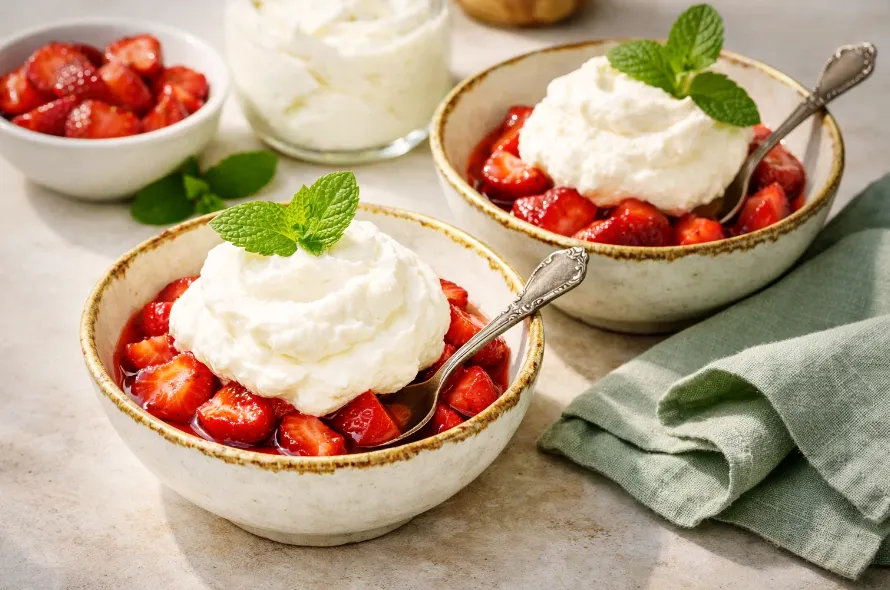
Fromage Blanc, meaning “white cheese,” is one of the most iconic French fresh cheeses. It is made from cow’s milk (sometimes blended with goat’s milk) and involves minimal processing, resulting in a creamy texture reminiscent of thick yogurt or soft cream cheese. Its origins trace back to Northern France and the Loire Valley.
Taste and Texture
Fromage Blanc is smooth, creamy, and slightly tangy. It can range from spoonable and spreadable to more solid depending on moisture content. Its mild flavor makes it a perfect base for sweet or savory dishes.
Culinary Uses
It is commonly eaten plain, with honey or fresh fruit for dessert, or as a creamy base in sauces and dressings. Chefs also use it in pastries and cheesecakes. It’s a staple in French breakfasts and brunches.
Seasonal Availability
Year-round
✱ Petit Suisse
Made in
Normandy
Milk
Cow’s milk – With cream added
Aged
Not aged (fresh)
AOP/PDO Status
No
Fat content
40% or higher
Origin and Production
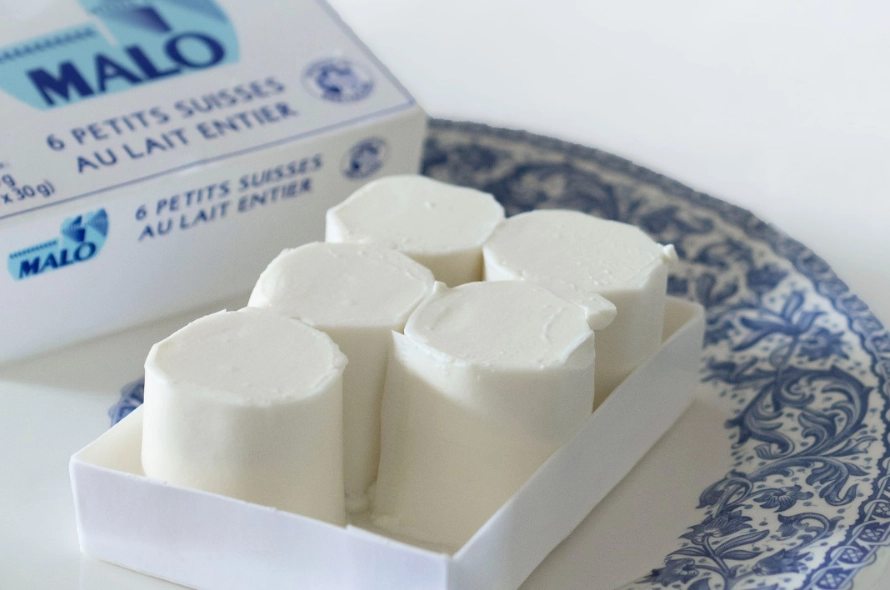
Petit-Suisse is a small, rich fresh cheese originating from Normandy. Despite its name suggesting Swiss origins, it’s entirely French, created in the 1850s in the town of Auvilliers by a Swiss worker, hence the name. It’s traditionally made with cow’s milk and cream, giving it a decadent, velvety texture.
Taste and Texture
The cream cheese-like richness has a smooth consistency and mild sweetness. It’s more decadent than other fresh cheeses due to higher butterfat content (typically 40% or more). The texture is dense yet creamy.
Culinary Uses
Frequently eaten plain as a snack or dessert, often with sugar and fruit preserves. Popular with children for breakfast or as an after-school treat. It can also be used in baking or as a creamy ingredient in sauces.
Seasonal Availability
Year-round
✱ Faisselle
Made in
Normandy
Milk
Usually cow’s milk
Aged
Not aged (fresh)
AOP/PDO Status
No
Fat content
Varies from 0% to 8%
Origin and Production
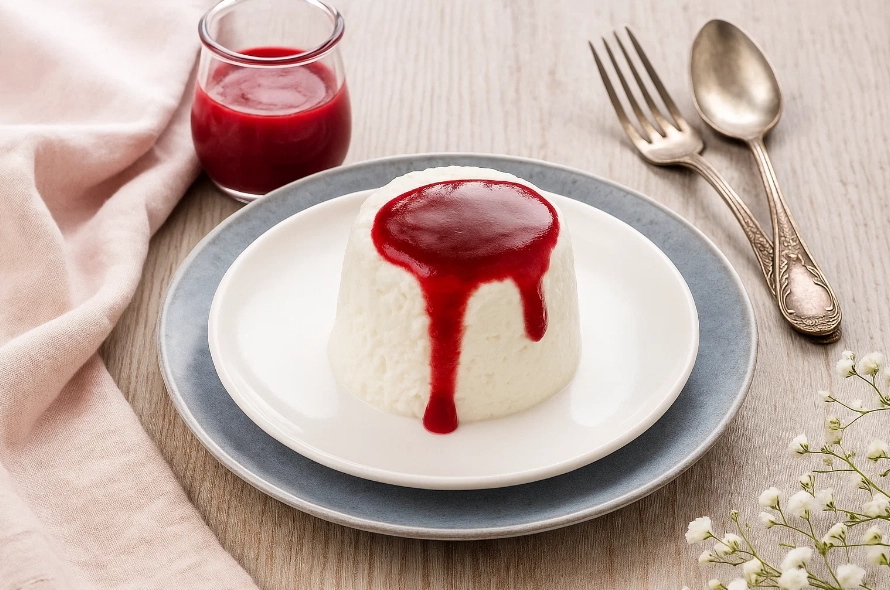
Faisselle is a traditional fresh cheese from central and eastern France. Unlike Fromage Blanc, Faisselle is named after the mold or basket (“faisselle”) in which the curds are drained. This perforated mold gives it a distinct texture and form, and the cheese is often sold still sitting in its draining basket.
Taste and Texture
Faisselle has a slightly grainy, moist texture with a fresh, milky taste. It’s delicately tart and less dense than other fresh cheeses, offering a refreshing bite. The texture is lighter and more delicate than Fromage Blanc.
Culinary Uses
Often enjoyed plain with sugar, honey, or jam. Also popular in savory preparations, frequently used in fresh, vibrant salads with ingredients like tomatoes, olives, fresh herbs, and olive oil, making a light and refreshing dish ideal for warm weather. Its versatility extends from desserts to salads and savory sides.
Seasonal Availability
Year-round
✱ Demi-sel
Made in
Normandy
Milk
Cow’s milk – With cream added
Aged
Not aged (fresh)
AOP/PDO Status
No
Fat content
40-50%
Origin and Production
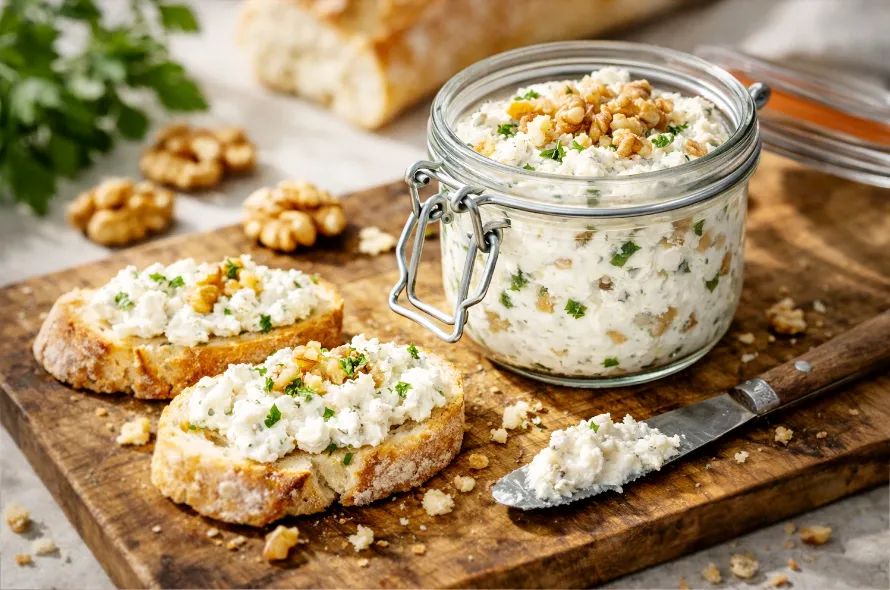
Demi-sel, meaning “half-salt,” is a lightly salted fresh cheese from Normandy. Created in the early 20th century, it’s made from cow’s milk enriched with cream and lightly salted during production, just enough to enhance flavor without overwhelming the delicate dairy taste. The cheese is produced in small rectangular portions wrapped in foil.
Taste and Texture
Demi-sel is smooth, spreadable, and creamy with a subtle salty note that distinguishes it from other fresh cheeses. The texture is rich and buttery due to its higher fat content (typically 40-50%). It’s mild, slightly tangy, and pleasantly salted, perfect for spreading.
Culinary Uses
Primarily used as a spread on fresh bread, crackers, or toast, often at breakfast or as a light snack. It’s also incorporated into savory cooking, mixed into mashed potatoes, used in quiches, or as a base for herb-flavored spreads. Some enjoy it with radishes or on blinis as an elegant appetizer.
Conclusion
These five are the ones you’ll come back to. Not because they’re fancy or rare, but because they’re genuinely good. They’re made with an assumption that food should taste like itself, and that’s an assumption worth taking seriously. Start with whichever calls to you, pair it with what you’ve got in the kitchen, and you’ll quickly understand why these haven’t changed in generations. That’s not tradition for tradition’s sake. That’s just good sense.
A Complete Hosting Guide
This complete guide takes the intimidation out of French cheese and wine hosting, so you can create an impressive, memorable evening that feels effortless.
Just so you know, a few links here earn us a commission. Doesn’t cost you anything extra, and we only link to things that are actually worth your time.