Chestnut Festival
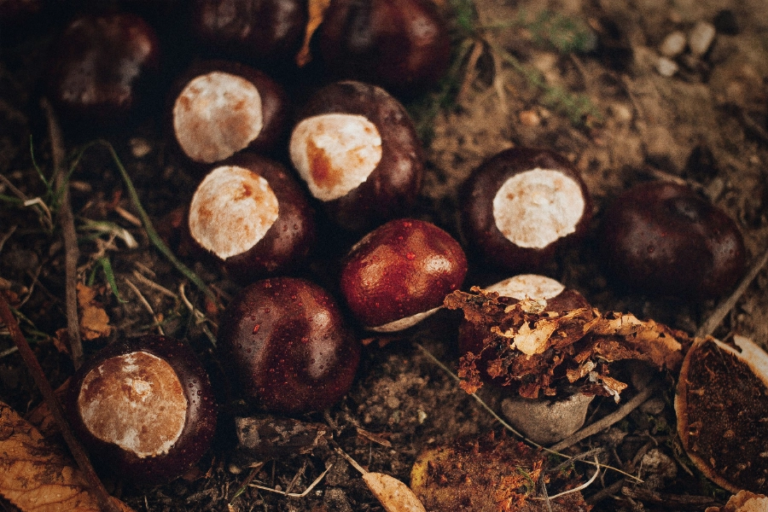
Chestnut festival celebrates the autumn
You know that smell when someone’s roasting chestnuts on a street corner? Multiply that by about a thousand, add freshly pressed cider, wood smoke, and a few happy French country people who’ve driven from all over the region to celebrate a nut, and you’ve got Éguzon’s Chetsnut festival!
This tiny village in the Indre dedicates an entire weekend every November to chestnuts. We had to go, I’m obsessed with the things. Roasted, puréed, in jam, even just simply boiled. The festival’s been running nearly forty years, and despite the rain, it was absolutely worth it. Actually, the weather made it better. Everyone (us included) crowded under the tents together, staying dry and warm and having a chat with the orange berrets. Proper cosy.
The chestnut that kept everyone alive
The Chetsnut Festival is a celebration of a fruit that’s been woven into the fabric of French life for centuries. The “châtaignier”, or sweet chestnut tree, was once known as the “arbre à pain” which means the bread tree. It was named this because its nuts were the food. When wheat cost too much or didn’t grow, people ate chestnuts. Ground them into flour, baked them into bread, roasted them, boiled them, turned them into every meal going.
In Éguzon, the chestnut was a lifeline, providing both nourishment and wood for building, heating, and even making barrels for Cognac. A proper workhorse tree. So yeah, when you’ve relied on something that completely for centuries, you don’t just forget about it. You throw it a massive party.
The brotherhood of chestnut tasters
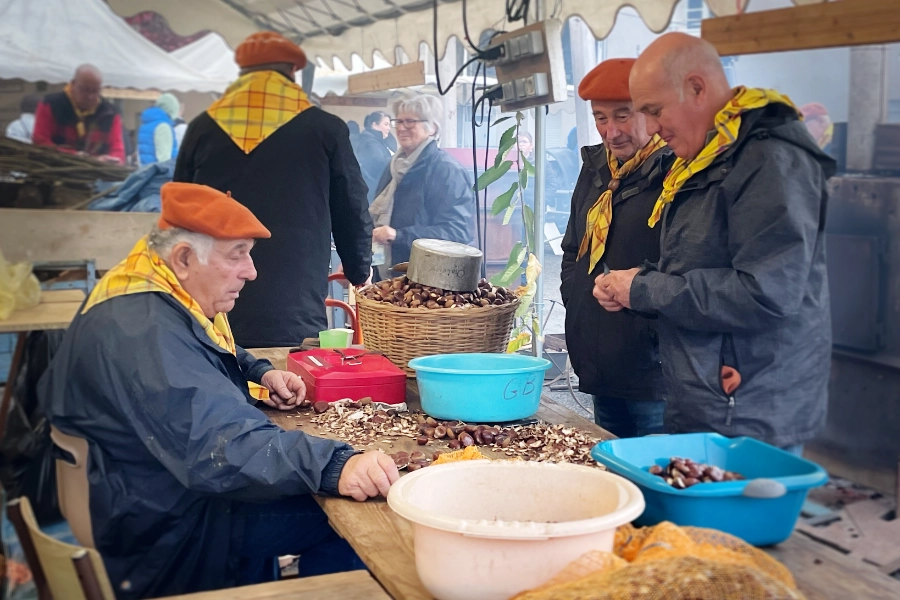
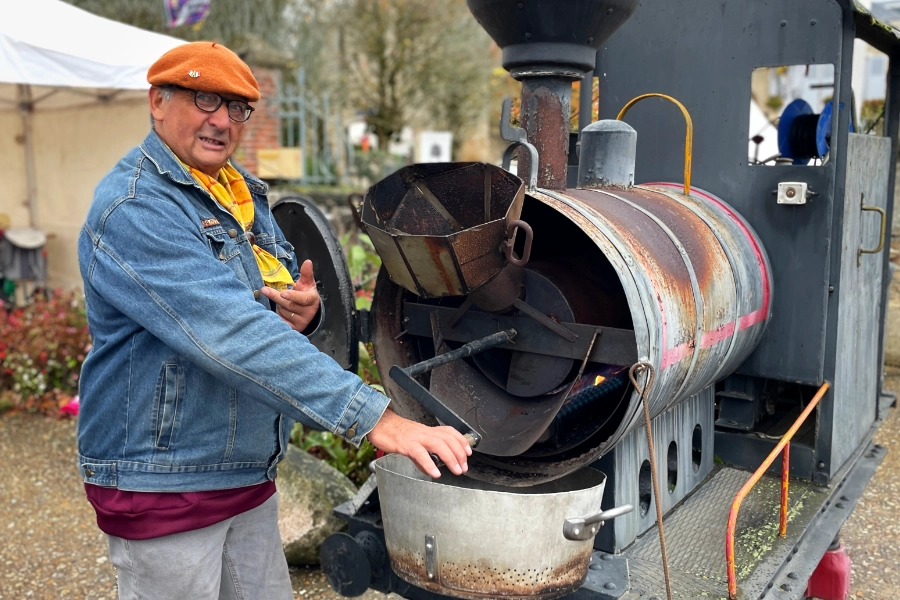
In 1986, some locals decided the chestnut needed its due. They started the festival and, because French people cannot do anything without making it official, created the Confrérie des goûteux d’châtaignes et fendeux d’gorces du pays d’Eguzon. Which roughly translates to “The Brotherhood of Chestnut Tasters and Wood Splitters of Éguzon.” I mean, come on. That’s brilliant. Everyone from the organisation wears an orange beret, so they’re easy to spot. Got questions about the traditional chestnut oven or that beautiful apple press? Just look for the orange berets.
These are also the people who replant old varieties with names like “patouillette”, “pointue” and “nouzillard”, digging up recipes their great-grandmothers used, and generally refusing to let the whole thing die out, from chestnut cakes to jams.
Nearly forty years later, 15,000 to 20,000 people show up every year. For chestnuts. In a village you’ve probably never heard of (or maybe you did from our videos?).
What happens at the chestnut festival?
The Fête de la Châtaigne is a three-day whirlwind of activity, usually held on the first weekend of November. The festival start off with a night walk and dinner, which sounds lovely and cosy and very French. Then there are three days of walks through the Vallée de la Creuse, nothing mental, just proper autumn rambles through chestnut groves and maybe even spot a few squirrels busy gathering their winter stash. With options for horseback riders too.
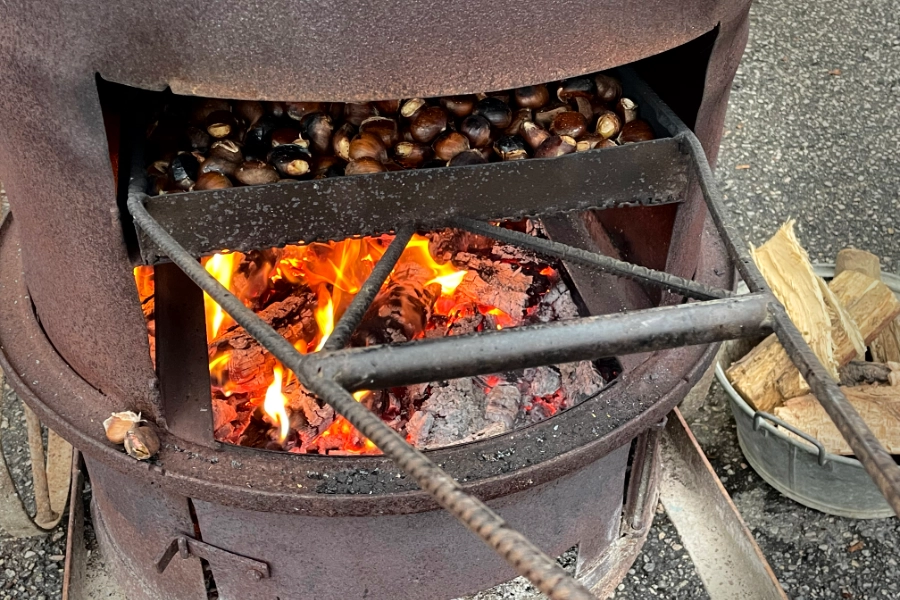
Back in the village, the main square is transformed into a market, with over 80 stalls selling everything from chestnut-based delicacies to local crafts and woodwork. Chestnut everything: flour, cakes, jam, liqueur, whole roasted chestnuts you buy by the kilo. The scent of roasting chestnuts is genuinely mind blowing. Want to have a go at making them yourself? Here’s the recipe.
There’s a hiking centre if you fancy exploring the 400 kilometres of trails around there. And a competition for best chestnut cake, judged by local experts who take chestnut cakes very seriously.
A bit of history
The chestnut is a fascinating fruit, with a history that stretches back to ancient times. The Greeks and Romans were already enjoying chestnuts, and by the Middle Ages, they were a vital part of the diet in many parts of France. In the Cévennes and other mountainous regions, chestnuts were so important that they were sometimes used as currency. The trees were carefully cultivated, and the nuts were dried, ground into flour, or used to feed livestock.
But the chestnut had a rough go of it in the 1800s. First, some disease called maladie de l’encre (ink disease, which sounds like something from a bad novel) wiped out loads of trees. Then coal mining took off and suddenly chestnut wood wasn’t worth much anymore.
In places like Éguzon, the whole industry just… stopped. The trees were still there, and nobody was really bothering with them. That’s what makes this festival matter, I think. It’s people actively choosing to bring something back, to not let it disappear completely. The brotherhood and volunteers have been replanting, relearning, remembering.
The unique flavour of chestnut
One of the pleasures of the Chestnut Festival is the chance to taste the unique flavours of the region. Éguzon chestnuts are particularly good with a sweet, good texture. People make chestnut flour for cakes and galettes and even pasta. There are marrons glacés, those candied chestnuts that cost a fortune but taste incredible. We picked some up for our 96-year-old neighbour, they’re the best Christmas treat, and grabbed a jar of chestnut jam freshly made in Éguzon the week before. Never tried it before, seemed like the moment.
The real interesting experience is tasting things people have been making for generations. Recipes that never got written down because everyone just knew them. That’s the stuff you can’t get in a shop!
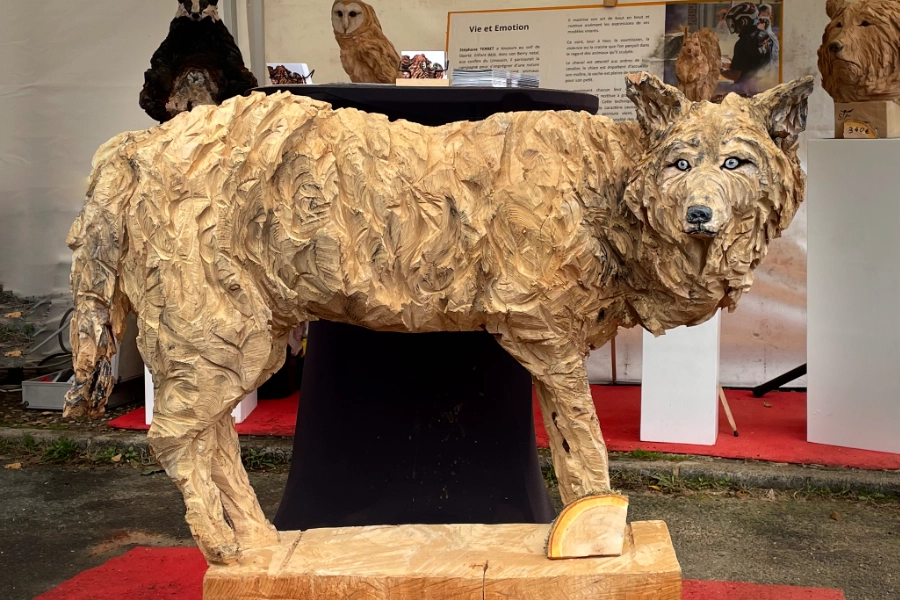
Woodworkers and woodsculptors
You’ll also see people making baskets and furniture from chestnut wood, doing demonstrations of old techniques like splitting wood for barrels. It’s not a museum. It’s people who actually know how to do this stuff, doing it.
The first thing we saw when we arrived? Loud. That wolf sculpture is by Stéphane Terret, a wood sculptor who makes incredible things with, wait for it, a chainsaw! His website’s worth a look if you fancy seeing more.
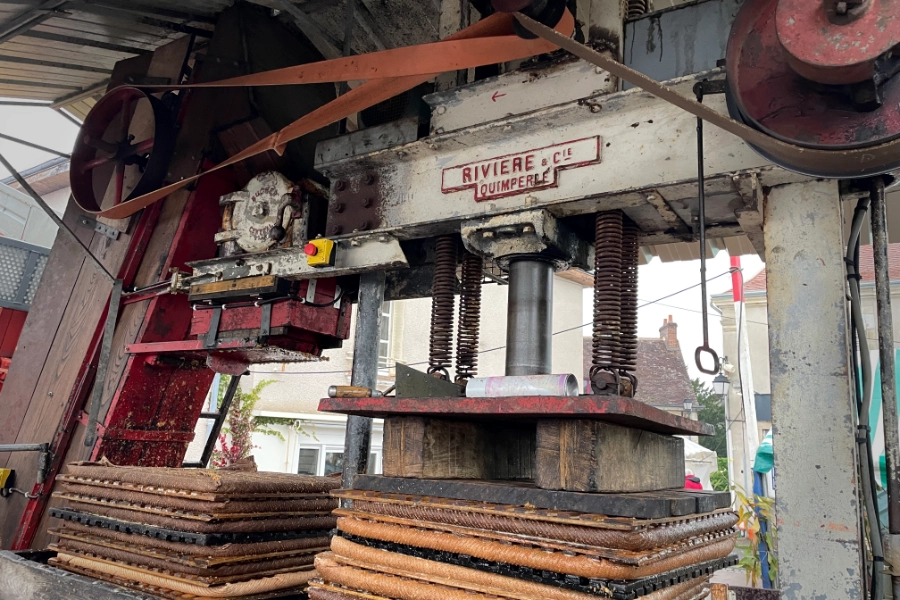
The apple press 15 tonnes of apples
Right in the middle of all the chestnut madness sits this enormous wooden apple press, and honestly, it’s beautiful mechanics. They press 15 tonnes of apples over the festival weekend. Fifteen tonnes. That’s not a typo. Local apples, pressed on site, turned into fresh cider while you stand there watching. Because obviously you need fresh cider when you’re eating chestnuts.
The press itself is beautiful in that functional, been-doing-this-for-centuries way. Huge wooden screws, metal catches, the whole thing groaning and dripping as they crank it down. It’s pretty awesome to watch juice pour out of crushed apples live, especially when you know you’ll be drinking it. You could buy a 1,5 liter bottle of cider that was literally apples a minute ago.
We bought three bottles. One didn’t make it home.
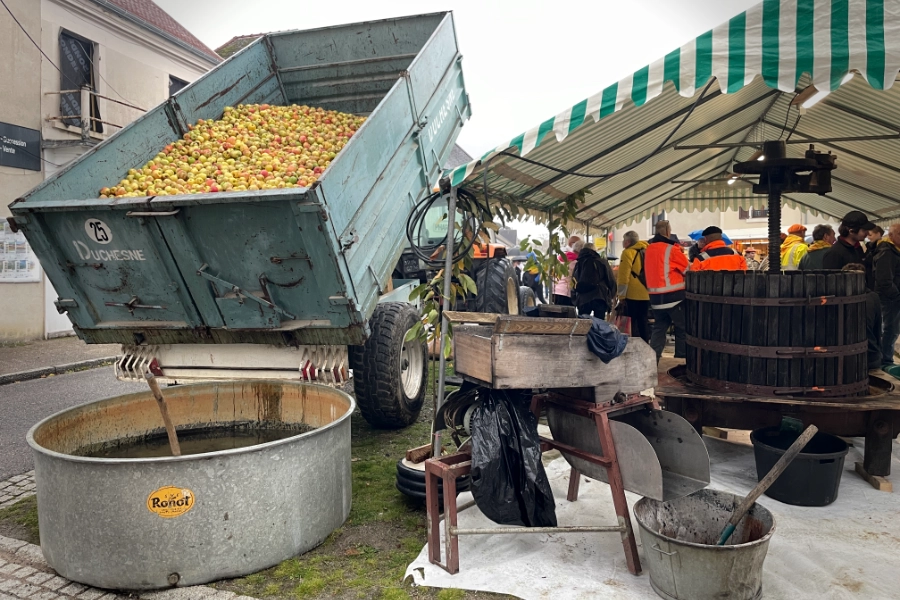
Cozy genuine and friendly
What’s good about this Chetsnut festival is that it is genuine. Nobody’s attempting to make it Instagram-perfect or turn it into some massive commercial thing. It’s just a village that gives a damn about chestnuts and want to keep old traditions and history alive. Everyone is welcoming and open for a chat and a laugh.
The brotherhood lot wander about in traditional gear, happy to chat if you have any questions. You end up talking to locals, trying things you’ve never heard of, learning bits of history you’d never find in a guidebook.
And the walking routes through the groves are genuinely lovely. Quiet, beautiful countryside, the kind where you can actually hear yourself think. It’s a good reminder that sometimes the best things aren’t complicated.
Planning a Visit
First weekend of November. Warm clothes, good shoes. Sometimes (like us this year) an umbrella. Most of it’s free, small fees for organized walks and the big meals.
The repas campagnard and repas des Castagnaires fill up fast, so book those ahead. There are campsites and guesthouses around, the tourist office can sort you out.
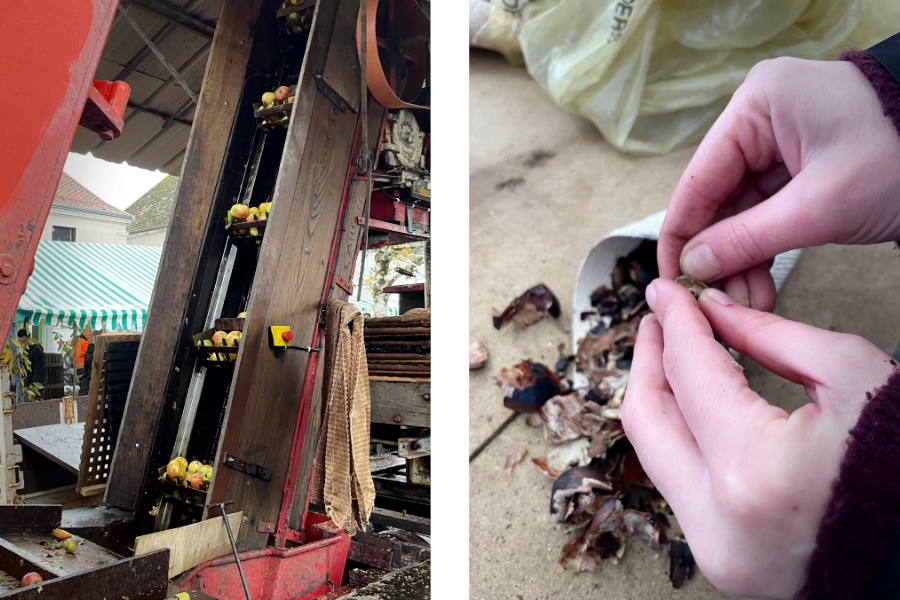
You’ll eat well, get black fingers from peeling chestnuts served in paper cones (worth it), walk through gorgeous countryside, learn things you didn’t know about chestnuts (there’s more than you’d think), and probably come home with a bag of chestnut flour you’ll feel very pleased about owning.