Cervelle de canut
Cervelle de canut
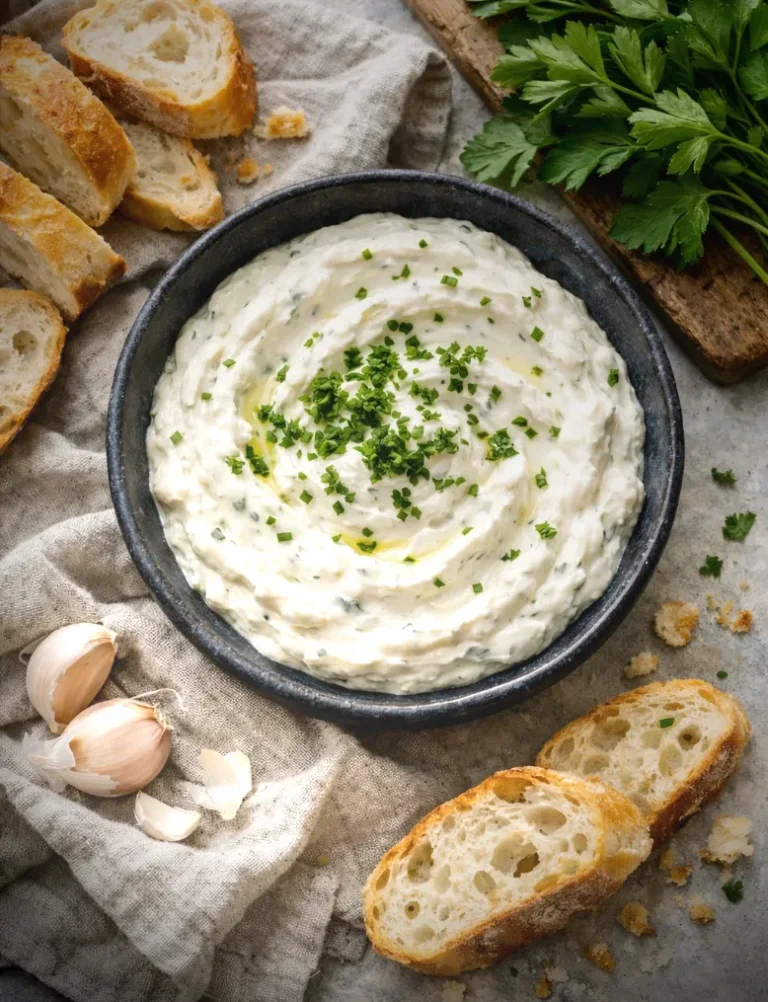
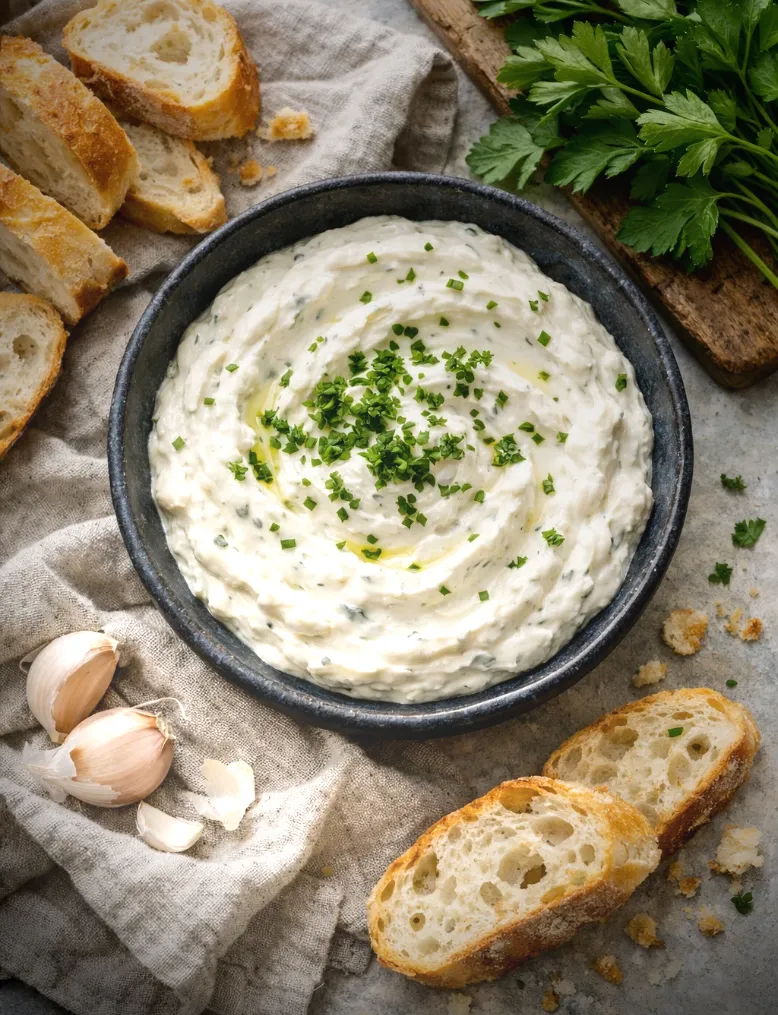
Cervelle de canut is Lyon's brilliant answer to herb cheese, fresh fromage blanc whipped with shallots, garlic, chives, parsley, and a good glug of walnut oil. The texture's somewhere between cream cheese and thick yogurt, but lighter and sharper than both.


Ingredients

- 400 gr fromage blanc faisselle if you can get it
- 2 shallots
- 2 cloves garlic
- 1 handful chives
- 1 handful flat-leaf parsley
- 1 tbsp tarragon or chervil
- 2 tbsp walnut oil
- salt and black pepper
Equipment
Instructions
- 1. Drain the cheeseIf your fromage blanc is quite liquid, drain it through muslin or a fine sieve for 30 minutes first. You want it thick enough to hold its shape but still creamy. Most "faisselles" are perfect as they come. The consistency should be somewhere between Greek yogurt and soft cream cheese.
- 2. Prep the aromaticsChop the shallots and garlic properly, fine enough that you won't get massive chunks in your mouth. Same with the herbs. Everything needs to be evenly distributed throughout the cheese.
- 3. Mix everything togetherTip the fromage blanc into your bowl. Add the shallots, garlic, and all your chopped herbs. Don't be shy with the herbs, they're what makes this worth eating. Mix it all together with a fork or whisk until everything's evenly distributed. You want it creamy but not necessarily smooth. Some texture is good.
- 4. Add the walnut oilPour in the walnut oil gradually, mixing as you go. You want enough to make it creamy and bring the flavours together, but not so much that it's swimming in oil. Start with 2 tablespoons, then add more if needed. Taste it. Now season with salt and pepper, you'll need more than you think. Fromage blanc is quite bland on its own, so be generous.
- 5. Chill properlyCover and stick it in the fridge for at least 2 hours. Overnight is better. The flavours need time to meld. The shallots mellow, the herbs infuse, the walnut oil works its way through everything. This is crucial, eating it straight away means you miss half the point.Serve it cold with plenty of good crusty bread, or with boiled potatoes if you're being traditional. Some people serve it with radishes, which works rather well. In Lyon, you'll find this cheese spread in every bouchon, usually as part of the starter selection.
Notes
- What is fromage blanc? Fromage blanc is a fresh, unaged French cheese with a mild, slightly tangy flavour and creamy texture, thicker than yogurt but lighter than cream cheese. It’s similar to quark and fromage frais.
- UK substitute: Use quark (available at Tesco, Sainsbury’s, Asda, Morrisons, Aldi, Lidl, and Ocado). Look in the cheese section near cottage cheese and Philadelphia. Quark has the same mild flavour and creamy texture as fromage blanc and works perfectly in this Lyon cheese spread recipe.
- US substitute: Quark is harder to find but available at some Aldi stores (Hemme Brothers Creamery), Whole Foods (Vermont Creamery or Elli Quark brands), and select Safeway locations. If you can’t find quark, mix 300g full-fat Greek yogurt with 100g softened cream cheese until smooth, this creates a similar texture and tanginess.
- Don’t use: Regular Greek yogurt on its own (too thin and tangy), standard cream cheese (too thick and rich), or cottage cheese (has curds that won’t blend smoothly).
- The oil matters. Walnut oil is traditional because walnuts grow in the Rhône-Alpes region. Olive oil wasn’t local and was expensive, the silk workers couldn’t afford it. If you can’t find walnut oil, use toasted rapeseed oil (also called toasted canola oil). Both were what Lyon workers would have used.
- No cream. Modern recipes sometimes add crème fraîche to this cheese spread, but the original didn’t have it. The silk workers were poor, cream was a luxury. The cheese should be rich enough on its own.
- Herbs are flexible. Tarragon or chervil add that subtle anise note that’s quite traditional, but if you can only get parsley and chives, it’s still proper. Just use whatever’s fresh. The important thing is the quantity, you want enough herbs that you can actually taste them.
- Make it smoother. Some Lyon chefs use a stick blender for a completely smooth cheese spread. Traditional versions are chunkier. Your choice.
- Keeps well. This lasts 3-4 days in the fridge, covered. The flavour actually improves after a day or two as everything melds together.
✱ Drink pairing
About this recipe
The original name is Cervelle de Canuts
The “canuts” were Lyon’s silk workers, thousands of them, crammed into workshops on the slopes of the Croix-Rousse in the 19th century. They worked brutal hours operating massive looms, and they needed cheap food that didn’t require cooking. This cheese spread was perfect: filling, didn’t spoil quickly, and could be eaten at any temperature.
The name’s meant to be a bit cheeky. “Cervelle” means brains, and the bourgeoisie of Lyon looked down on the silk workers as simple folk, so calling this “workers’ brains” was both mockery and a statement that they couldn’t afford actual brains (which were considered a delicacy). The texture of the beaten fromage blanc supposedly resembled brains, though that’s probably just convenient justification for an insult that stuck.
The dish itself is older than the name. People have been mixing fresh cheese with herbs and alliums forever, it’s what you do when you have access to dairy but not much else. But it became firmly associated with the “canuts” and their culture during the revolts of the 1830s and 1840s, when Lyon’s silk workers fought back against exploitative conditions.
It’s traditionally eaten as part of the “mâchon”, Lyon’s mid-morning meal that was basically an excuse for workers to have wine and charcuterie at 10am! These days it’s more of a weekend brunch thing in Lyon’s bouchons, though you can still find proper old-school versions if you know where to look.
Every bouchon in Lyon has their own version of this cheese spread. Some like it chunky, others smooth. Some load it with garlic, others keep it subtle. There’s no definitive version, which is probably how it should be for a dish that was made by people who just used whatever they had lying about.
The key thing modern recipes often get wrong is the oil. Walnut oil was local, the Rhône-Alpes has been growing walnuts forever. Olive oil came from Provence and cost money the silkworkers didn’t have. Using walnut oil isn’t just authentic, it’s the whole point. It gives the cheese spread a subtle nutty flavour that olive oil can’t replicate.
These days, cervelle de canuts is enjoying a bit of a revival. Lyon chefs are serving fancier versions in their restaurants, and it’s become one of those dishes that represents Lyon’s food culture. But the best versions are still the simple ones you’ll find in neighbourhood bouchons, just cheese, herbs, and walnut oil, served with good bread and a glass of wine.
Share your feedback and spread the love!
If you try this Cheese Spread Lyon recipe, I’d love to hear how it turns out! Leave a ★★★★★ rating and your thoughts in the comments, it helps fellow food lovers discover this recipe too. Snap a photo and tag @frogsinbritain on Instagram if you’re sharing your bake online. Don’t forget to save this recipe to Pinterest so you’ll always have it handy for your next French-inspired meal!
Disclosure: This post contains sponsored content and/or affiliate links. If you make a purchase through these links, I may receive a small commission at no extra cost to you. All opinions are my own!