Camembert and 4 Essential French Bloomy Rind Cheeses
Introduction
Bloomy rind cheeses are what most people picture when they think of French cheese, round wheels with soft white rinds and creamy interiors that ripen from the outside in. That white coating isn’t decoration. It’s Penicillium candidum doing exactly what it’s meant to do, breaking down proteins and creating those soft, yielding textures and earthy, mushroomy flavors that define this category.
Camembert is the most famous, the one that became synonymous with French cheese itself. But it’s not alone. Brie de Meaux predates it by centuries and remains the aristocratic standard. Neufchâtel brings Norman tradition and a distinctive heart shape. Chaource offers Champagne’s answer to soft cheese. And Coulommiers sits somewhere between Camembert and Brie, doing its own thing quietly. Each has AOC protection, each follows strict traditional methods, and each proves that soft white rind doesn’t mean soft character. These are cheeses with real identity and history, not industrial approximations.
✱ Camembert de Normandie
Made in
Normandy (Calvados, Eure, Manche, Orne, Seine-Maritime)
Milk
Raw cow’s milk (Normande breed preferred)
Aged
21 days minimum
AOP/PDO Status
Yes (AOC since 1983)
Fat content
45% minimum
Origin and Production
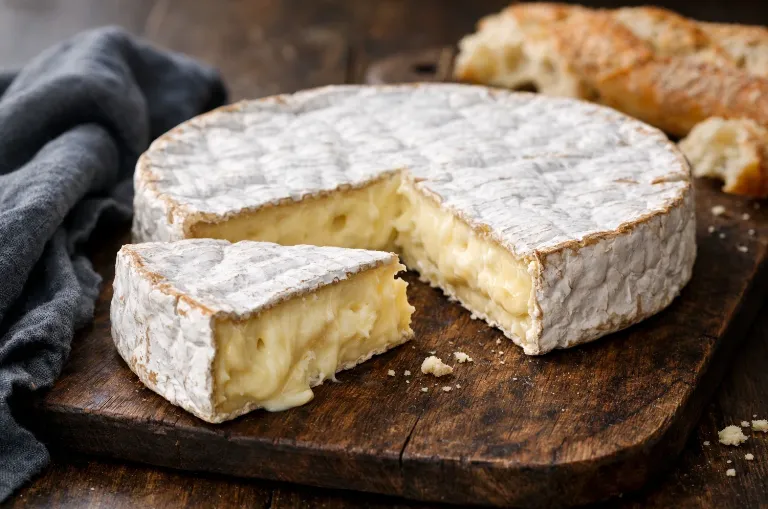
Camembert de Normandie was created in 1791 by Marie Harel, a farmer from the village of Camembert in Normandy. Legend says she learned the technique from a priest fleeing the French Revolution. The cheese became famous in the 19th century when the invention of the wooden box made it transportable. True Camembert de Normandie must be made with raw milk from Norman cows, hand-ladled in five layers, and aged for at least three weeks. The AOC distinguishes it from industrial “Camembert fabriqué en Normandie,” which uses pasteurized milk and different methods.
Taste and Texture
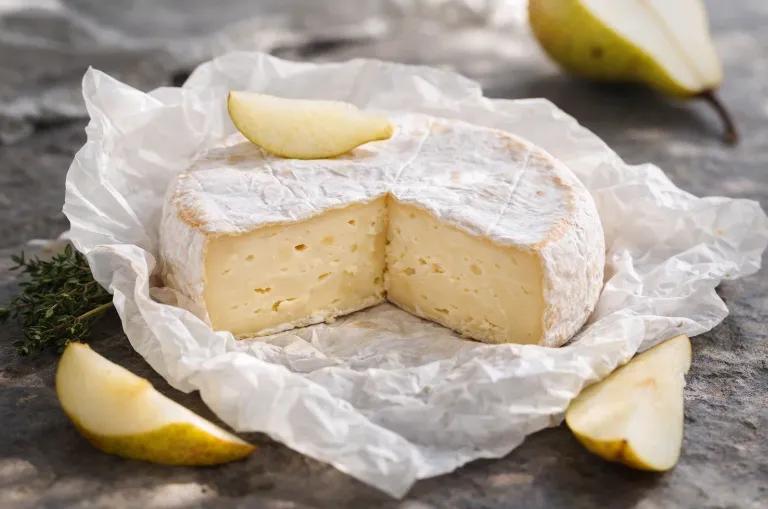
Camembert de Normandie is earthy and complex with mushroom notes, a rich creaminess, and a subtle tang. When young, it’s chalky in the center; fully ripe, it becomes uniformly creamy and almost liquid. The rind is white with occasional rust-colored spots, edible and slightly bitter. The taste intensifies with age, developing stronger barnyard notes and ammonia hints when very ripe.
Culinary Uses
Best eaten at room temperature on crusty bread with a glass of Norman cider or Calvados. Can be baked whole (Camembert rôti) with garlic and herbs. Also excellent with apples, walnuts, or honey. Traditionally enjoyed as is rather than cooked, to appreciate the full complexity of the raw milk and aging.
Seasonal Availability
Year-round, though traditionally best from spring through autumn when cows are on pasture
✱ Brie de Meaux
Made in
Île-de-France (Seine-et-Marne, Loiret, Aube, Marne, Haute-Marne, Yonne, Meuse)
Milk
Raw cow’s milk
Aged
4 weeks minimum
AOP/PDO Status
Yes (AOC since 1980)
Fat content
45% minimum
Origin and Production
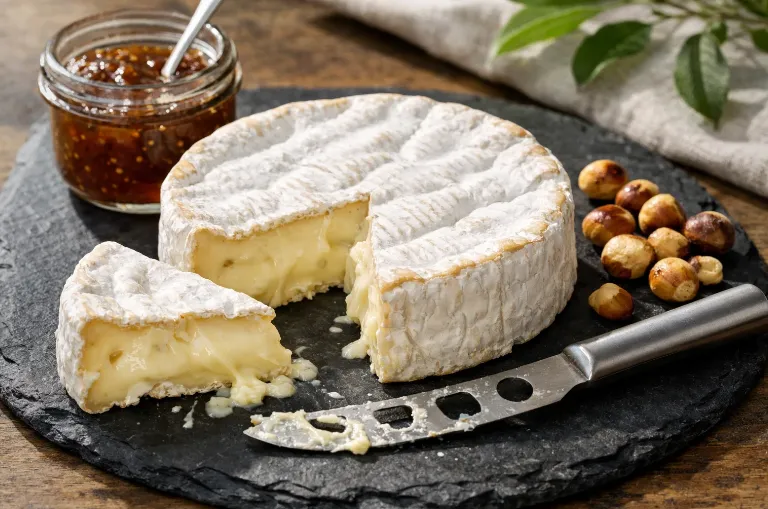
Technically, this is my cheese as I was born in Meaux. Brie de Meaux is one of France’s oldest cheeses, dating back to the 8th century and served at the court of Charlemagne. It earned its reputation at the Congress of Vienna in 1815, where it was declared “the king of cheeses” by Talleyrand. The cheese is made in large wheels (36-37cm diameter) using raw milk, hand-ladled, and aged for at least four weeks. Production is limited to specific departments around Meaux, east of Paris. The AOC ensures traditional methods and terroir are maintained.
Taste and Texture
Brie de Meaux is sophisticated and complex, rich, buttery, and earthy with pronounced mushroom and hazelnut notes. The texture is supple and creamy when ripe, with a slight resistance in the center when properly aged. The rind is white with reddish-brown patches and contributes a pleasant earthiness. The flavor is more refined and less pungent than Camembert, with a delicate sweetness underlying the savory notes.
Culinary Uses
Traditionally served on its own at room temperature, allowing the full complexity to develop. Pairs beautifully with Champagne or light red Burgundy. Excellent with grapes, figs, or crusty baguette. While it can be baked, purists prefer it au naturel to appreciate the subtlety of properly aged raw milk Brie.
Seasonal Availability
Year-round, though farmhouse versions are best from spring through autumn
✱ Coulommiers
Made in
Île-de-France (Seine-et-Marne)
Milk
Cow’s milk (raw or pasteurized)
Aged
3-4 weeks
AOP/PDO Status
No
Fat content
40-45%
Origin and Production
Coulommiers comes from the town of Coulommiers in Seine-et-Marne, the same region as Brie. It’s essentially a smaller Brie (12-13cm diameter compared to Brie’s 36cm), earning it the nickname “Brie de Coulommiers” or “petit Brie.” The cheese has ancient origins, predating even Brie de Meaux in some accounts. While it lacks AOC protection, traditional producers still follow time-honored methods. Its smaller size means it ripens faster and more evenly than large Brie wheels.
Taste and Texture
Coulommiers is creamy and mild with a pleasant mushroomy flavor similar to Brie but slightly more pronounced due to its smaller size and faster ripening. The texture is supple and smooth, becoming increasingly creamy from the outside in as it ages. The white rind develops attractive rust-colored patches with age. It’s less refined than Brie de Meaux but more accessible and easier to ripen evenly at home.
Culinary Uses
Served at room temperature on cheese boards, paired with light red wines or cider. Its approachable size makes it perfect for smaller gatherings where a full Brie wheel would be excessive. Excellent with fruit, nuts, or simply on baguette. Can be baked like Camembert for a warm, melting appetizer.
Seasonal Availability
Year-round
✱ Chaource
Made in
Champagne region (Aube and Yonne)
Milk
Cow’s milk (raw or pasteurized)
Aged
14 days minimum
AOP/PDO Status
Yes (AOC since 1970)
Fat content
50% minimum
Origin and Production
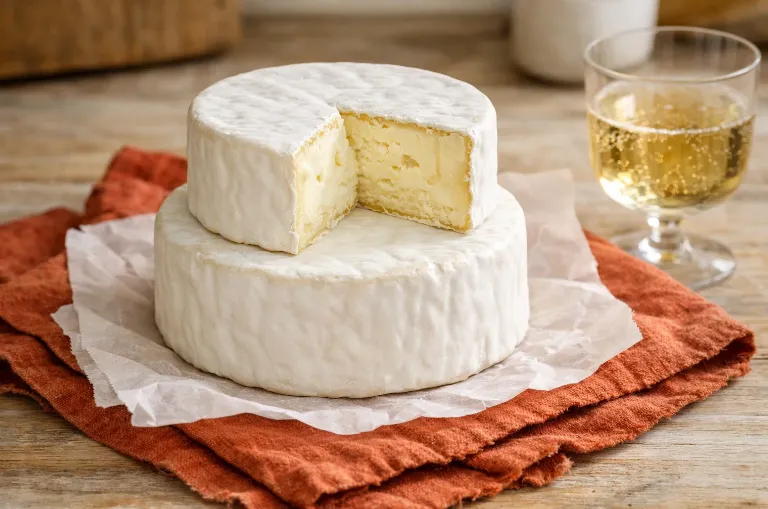
Chaource comes from the village of Chaource in the Champagne region and has been made since the Middle Ages. It’s produced in two sizes, 250g and 450g cylinders, with a distinctive tall, drum-like shape. The cheese is made with a high fat content, giving it an exceptionally rich, creamy character. Production follows traditional methods with careful hand-ladling and controlled aging in humid cellars.
Taste and Texture
Chaource is remarkably creamy and rich with a mild, slightly tangy flavor and subtle mushroom notes. The texture is soft and luscious, almost melting, with a dense, velvety consistency. It’s less assertive than Camembert or Brie, more delicate and buttery. When young, the center is chalky; fully ripe, it becomes uniformly creamy. The thin white rind is edible and adds a gentle earthy note.
Culinary Uses
Best enjoyed at room temperature with Champagne (the classic regional pairing) or a light white Burgundy. Excellent with crusty bread, grapes, or walnuts. Its mild, creamy character makes it approachable for those new to bloomy rind cheeses. Can be used in cooking but is typically eaten fresh to appreciate its delicate texture.
Seasonal Availability
Year-round
✱ Neufchâtel
Made in
Normandy (Pays de Bray)
Milk
Raw or pasteurized cow’s milk
Aged
10 days to several weeks
AOP/PDO Status
Yes (AOC since 1969)
Fat content
45% minimum
Origin and Production
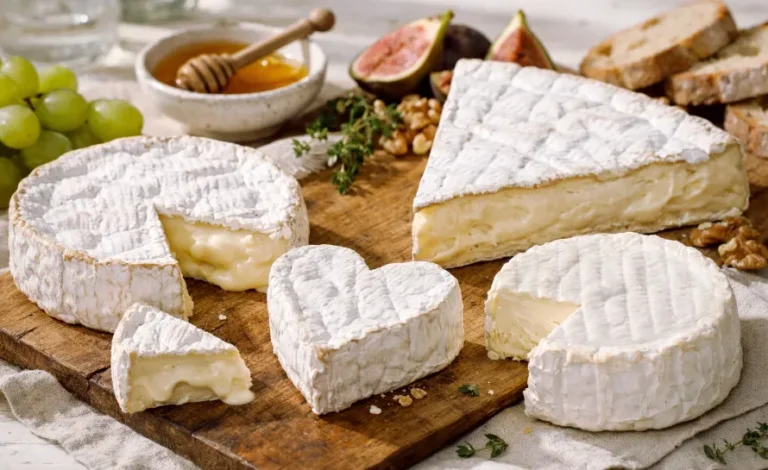
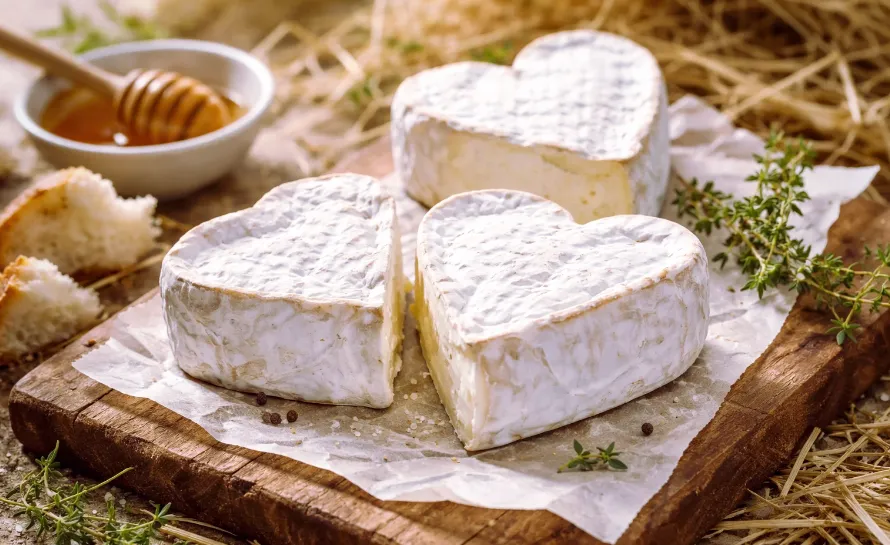
Neufchâtel is one of the oldest Norman cheeses, with records dating back to 1035. It comes from the Pays de Bray region and is famous for its distinctive heart shape (cœur), though it’s also made in other forms like logs (bonde) and squares (carré). Legend says young women gave heart-shaped Neufchâtels to English soldiers during the Hundred Years’ War as tokens of affection. The cheese has a looser, more grainy texture than Camembert due to different production methods and shorter aging.
Taste and Texture
Neufchâtel is tangier and more pronounced than Camembert, with a slightly salty, mushroomy flavor and a characteristic granular texture. The paste is less smooth and creamy, more crumbly and dense. When young, it’s chalky and acidic; with age, it becomes creamier and develops stronger flavors. The white rind often has a slightly fuzzy appearance.
Culinary Uses
Excellent on cheese boards, particularly paired with Norman cider or Calvados. The tanginess works well with sweet accompaniments like apple compote or honey. Also used in local Norman dishes and terrines. Its distinctive shape makes it popular for romantic occasions, though it’s a serious cheese beyond the novelty.
Seasonal Availability
Year-round
Conclusion
Camembert might be the famous one, but these five together show you what French bloomy rind cheese actually means, tradition, terroir, and technique working together to create something that tastes like more than just cream and mold. Start with whichever sounds most manageable, bring it to room temperature, and give it the attention it deserves. That white rind isn’t there for show. It’s there because someone a few centuries ago figured out exactly what happens when you let the right fungus do its work. They were right then, and they’re still right now.
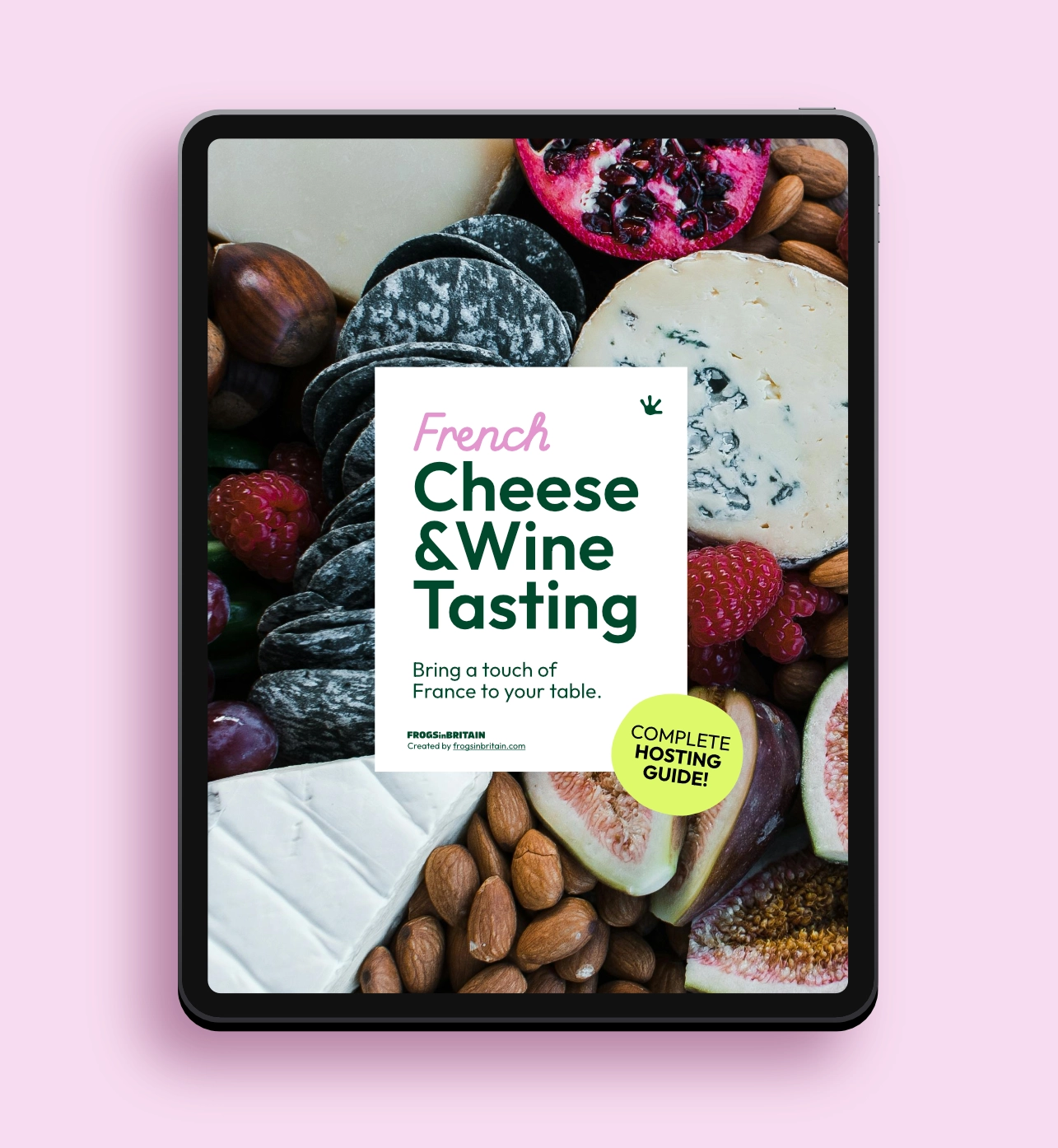
A Complete Hosting Guide
This complete guide takes the intimidation out of French cheese and wine hosting, so you can create an impressive, memorable evening that feels effortless.
Just so you know, a few links here earn us a commission. Doesn’t cost you anything extra, and we only link to things that are actually worth your time.