Best White Wine for Cooking: A French Guide
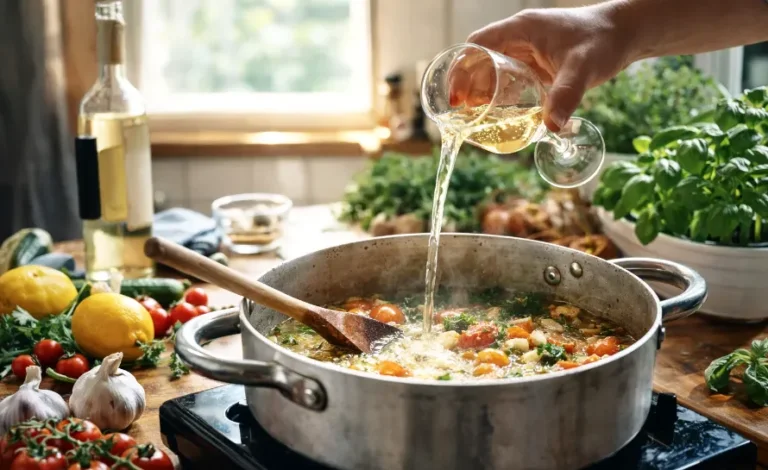
French kitchens, including mine, go through a lot of white wine. Some of it ends up in glasses, but to be honest, most of it in our household ends up in pans, as we love cooking with wine.
In this article I want to help you out understand how to use the best white wine for cooking. You don’t need an expensive bottle or a specific appellation for most cooking. But you do need something decent, because the wine you cook with concentrates as it reduces, and whatever’s mediocre will only gets more so.
So. What’s the best white wine for cooking? Here’s what actually works, what to avoid, and a few things worth knowing before you reach for a bottle.
The Only Real Rule
Cook with wine you’d actually drink. If you wouldn’t pour it in a glass, don’t pour it in a pan. You do need a good white wine for cooking.
This sounds obvious, but it rules out a surprising amount of what gets marketed as “cooking white wine.” Anything labelled specifically for cooking, with added salt, preservatives, or suspiciously low alcohol content, will make your food taste off. The salt becomes overwhelming once it reduces. The flavour’s flat.
That said, you don’t need to cook with anything expensive. The characteristics that make an expensive bottle special, the complexity, the finish, the terroir, largely disappear once it hits a hot pan. What survives is the acidity, the body, and the basic flavour profile. A good rule of thumb: somewhere in the €8–14 range is the sweet spot. Enough quality to taste like something. Not so much that you’re wincing as you pour it into a pan.
One more thing. Don’t cook with old white wine. If a bottle has developed orange hues or debris floating in it, it’s past its best. A rough guide: try to use good white wine for cooking within five years of the vintage date, which is printed on the label.
What Good White Wine For Cooking Does
Before getting into specific bottles, it’s worth understanding what you’re actually asking wine to do, because it does several things at once.
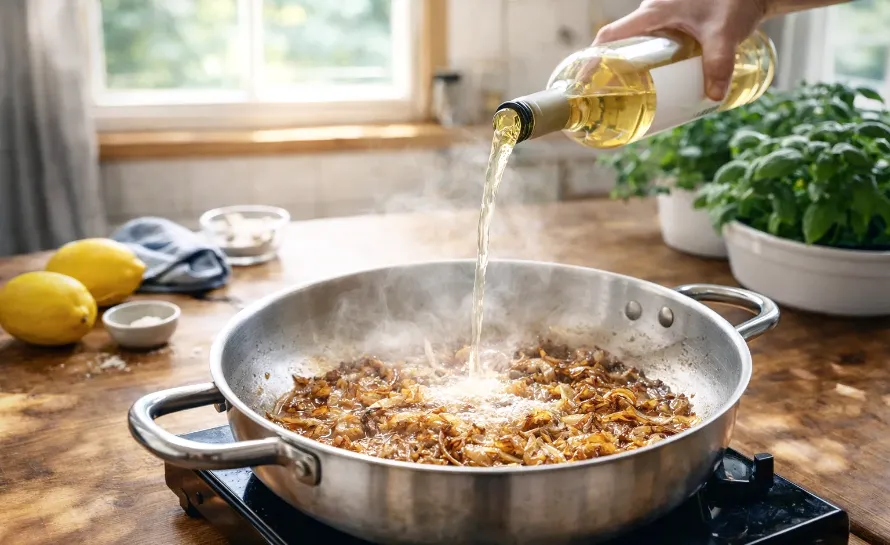
The most obvious is deglazing. You sear something in a pan, the bottom gets coated in caramelised bits, you add wine and it lifts all of that off. The acidity and liquid do the work. Any dry white with decent acidity handles this beautifully.
But wine also does something less obvious. The alcohol acts as a solvent that releases aromatic compounds from herbs, garlic, and spices. When you add a good white wine for cooking to a pan with fresh thyme and shallots, the alcohol extracts essential oils and flavour compounds that water or stock would leave locked away. This is why a simple pan sauce made with wine tastes more interesting than one made without, it’s not just adding flavour, it’s unlocking what’s already there.
Then there’s the acidity. A splash of white wine in a cream sauce or a beurre blanc adds a brightness that cuts through richness. Think of it like a squeeze of lemon, but woven into the sauce rather than sitting on top of it.
And as the alcohol cooks off, the flavours concentrate and mellow, leaving behind a depth that enhances rather than dominates the dish. Done right, you won’t taste wine in the finished food. You’ll just taste something better.

The Best White Wine for Cooking
✱ Sauvignon Blanc
Probably the single most useful cooking white. It’s dry, high in acidity, and has a distinctive freshness, citrus, a bit of green herb, sometimes a flinty mineral quality. When reduced, Sauvignon Blanc becomes very tart and bright, which makes it brilliant for cutting through richness in creamy sauces and for anything involving fish or seafood.
It’s also very good for deglazing vegetable dishes. The herbaceous quality plays well with courgette, leek, asparagus, and fennel.
France produces excellent Sauvignon Blanc in the Loire Valley, Sancerre and Pouilly-Fumé are the famous names, though you’d be wasting money cooking with those. A straightforward Touraine Sauvignon or a Vin de Pays du Val de Loire at €8-10 is everything you need as a good white wine for cooking.
✱ Muscadet
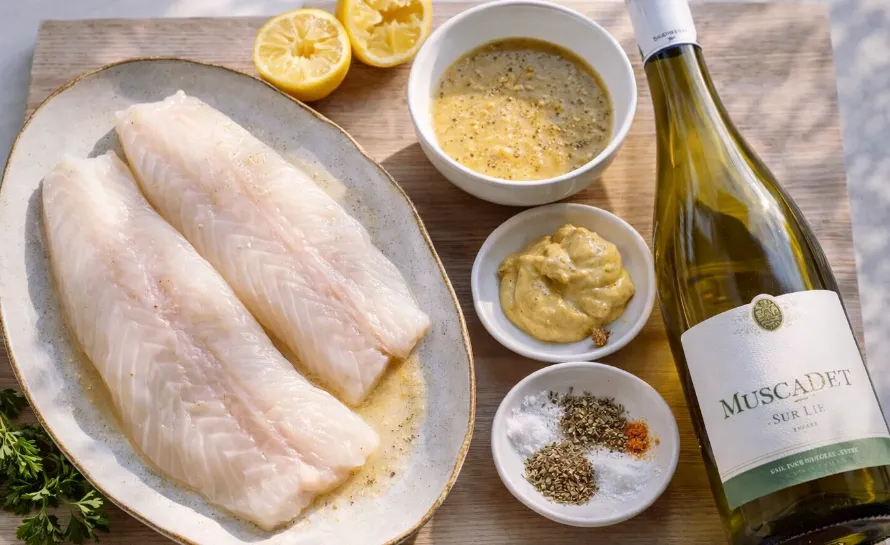
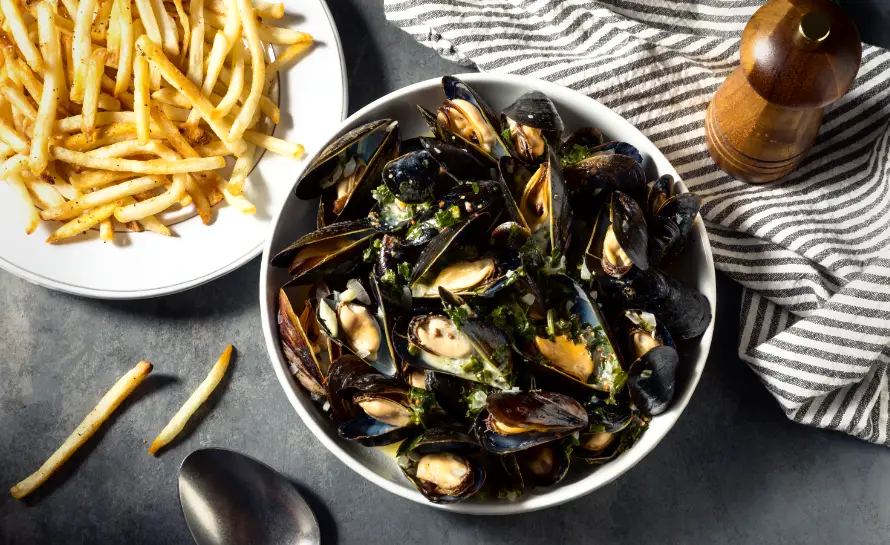
If I had to pick one specifically French wine to keep for cooking, it’d be Muscadet. It’s from the Loire Valley, bone dry, high in acidity, with a clean mineral quality and often a slight yeasty note from extended lees ageing (sur lie). It’s brilliant with fish and shellfish, mussels cooked in Muscadet is a classic for very good reason.
It’s also very affordable. You can find a perfectly good bottle for €7-10, and it does everything you’d want a cooking wine to do. The flavour is clean and neutral enough to use in almost anything, but it has enough character to genuinely improve a dish rather than just adding moisture.
✱ Pinot Grigio
Pinot Grigio for cooking gets asked a lot, and it’s a fair question. Italian Pinot Grigio, the simple, dry, neutral style, is a perfectly good cooking white. It’s dry, not aggressively acidic, fairly neutral, and available everywhere.
It works particularly well when you don’t want the wine to be too prominent, dishes where it’s in the background rather than the foreground. Risotto. Pasta with butter-based sauces. Fish that wants gentle treatment. Pinot Grigio is the most neutral of the main cooking whites, which makes it the most versatile. That’s both its strength and its slight weakness, it won’t get in the way of anything, but it won’t add much character either. For everyday cooking, though, that’s often exactly what you want.
A basic Italian Pinot Grigio around €8-12 is fine. Don’t spend more than that for cooking.
✱ Unoaked Chardonnay
The unoaked or lightly oaked styles from Mâcon have a lovely roundness and a little more body than Sauvignon Blanc or Pinot Grigio, good for richer dishes, a creamy mushroom sauce, a fish gratin, vegetables cooked with butter and cream.
The important word is “unoaked”. Rich, oaky whites can become bitter during the cooking process, the oak tannins don’t behave well under heat. A Mâcon-Villages or a straight Bourgogne Blanc is ideal. Avoid anything the label describes as “barrel-aged” or “élevé en fût.”
✱ Picpoul de Pinet
Another dry, high-acid white from southern France. Picpoul has a lovely citrus freshness, almost lemony, which makes it particularly good for fish dishes and light sauces. It’s become reasonably easy to find outside France now, and it’s usually very good value.And yes, it’s also excellent to drink while you’re cooking. Which is half the point.
An Underrated Option: Dry Vermouth
This one surprises people, but it’s genuinely worth knowing about.
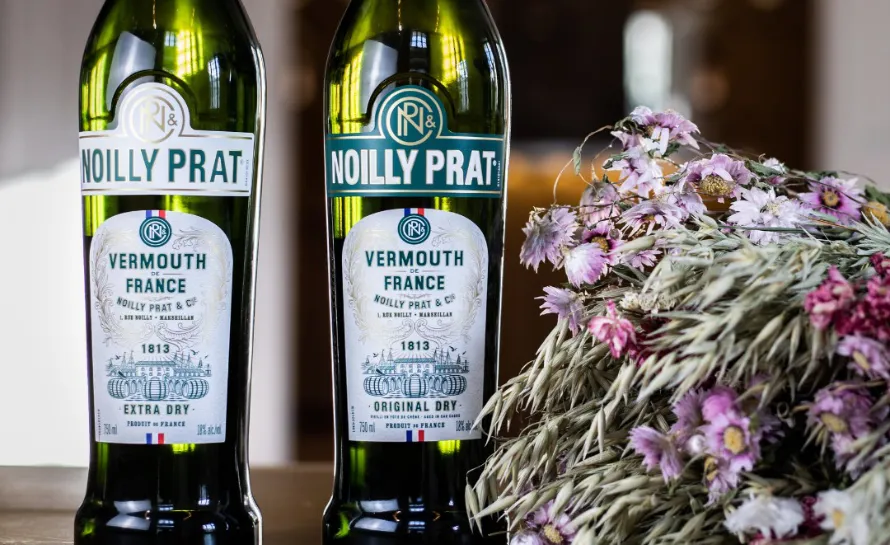
Dry vermouth is a fortified, aromatised wine, white wine boosted with a small amount of spirit and infused with herbs and botanicals. It has a slightly higher alcohol content than table wine, a more complex herbal character, and one very useful practical advantage: when stored in the fridge, dry vermouth is good for anywhere between three and six months.
That’s a big deal if you cook with wine regularly but don’t always finish a bottle. An open bottle of white wine needs to be used within a few days. A bottle of dry vermouth in the fridge can sit there for months, ready whenever you need a splash for a sauce.
The flavour is a touch more herbal than plain white wine. It’s particularly good with fish, chicken, and vegetable dishes. Because it’s more concentrated than wine, you can use slightly less, if a recipe calls for 150ml of white wine, 100-120ml of dry vermouth will do the same job.
Noilly Prat is the classic French dry vermouth, and it’s worth keeping a bottle in the fridge just for cooking. Dolin is another very good French option.
What to Avoid
Cooking wine
in a bottle
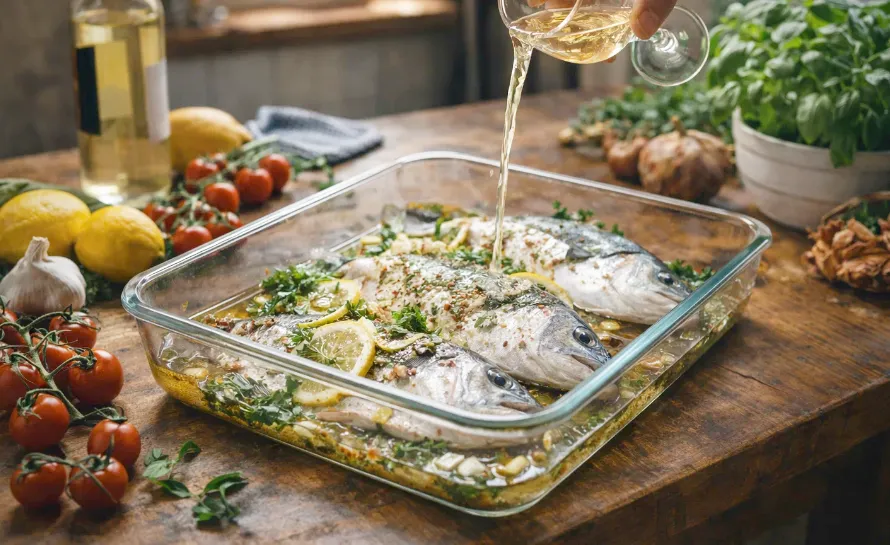
Products sold specifically as cooking wine are usually salted, preserved, and genuinely inferior. They make food taste worse, not better. Ignore them entirely. If you want a good white wine for cooking, avoid these.
Heavily oaked Chardonnay
A buttery, vanilla-heavy Chardonnay turns bitter and slightly strange when cooked down. If you’re not sure whether something is oaked, a quick sniff will often tell you, that toasty, vanilla character in the glass becomes unpleasant in a pan.
Sweet or off-dry whites
Riesling, Gewurztraminer, Vouvray demi-sec, wonderful to drink, but their residual sugar concentrates when you cook with them and makes savoury dishes taste odd. Unless a recipe specifically calls for a sweet wine, keep it dry.
Anything that’s already turned
Cooking doesn’t fix wine that’s gone off. If it smells like vinegar or old cardboard, it’ll taste like that in your food.
Anything expensive
The qualities that make an expensive bottle exceptional, the finesse, the complexity, the finish, don’t survive a hot pan. Save that good stuff for drinking.
How Long Does White Wine Last for Cooking?
A question that comes up constantly, and the answer depends on how you store it.
Opened bottle of white wine
An opened bottle of white wine in the fridge is usable for cooking for around 3–5 days. After that it starts to oxidise, it won’t make you ill, but it’ll taste flat and slightly vinegary, which will come through in your food. Give it a sniff before using it. You’ll know.
Sealed, unopened bottle
A sealed, unopened bottle kept somewhere cool and dark will last 1–3 years without any problem. It doesn’t need to be a cellar, a cool kitchen cupboard away from direct light is fine for an €8 Muscadet or Picpoul. Just don’t store it near the hob where heat fluctuations will age it faster.
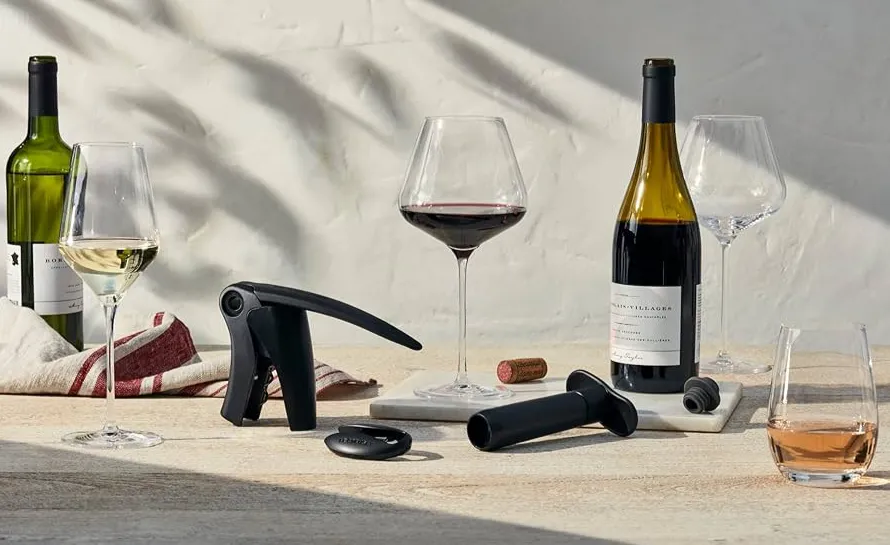
The best practical solution if you cook with wine regularly but don’t always finish a bottle is a wine pump. It removes the air from an opened bottle, which significantly slows oxidation and keeps your wine usable for several days longer. The Le Creuset wine pump is a solid choice, well-made, simple to use, and it works.
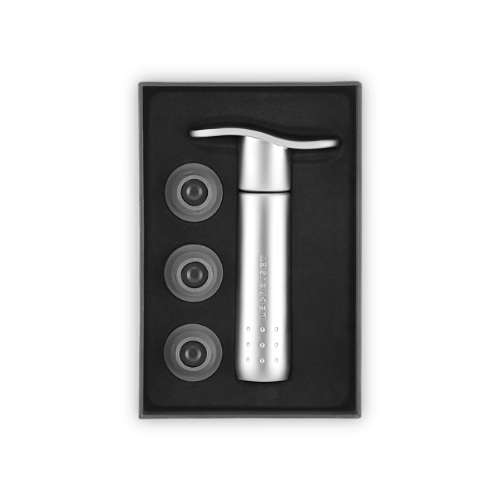
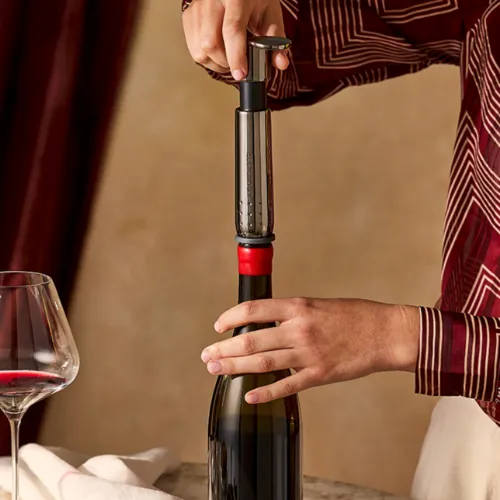
Le Creuset Wine Pump
Find it on Amazon >
Freezing leftover wine
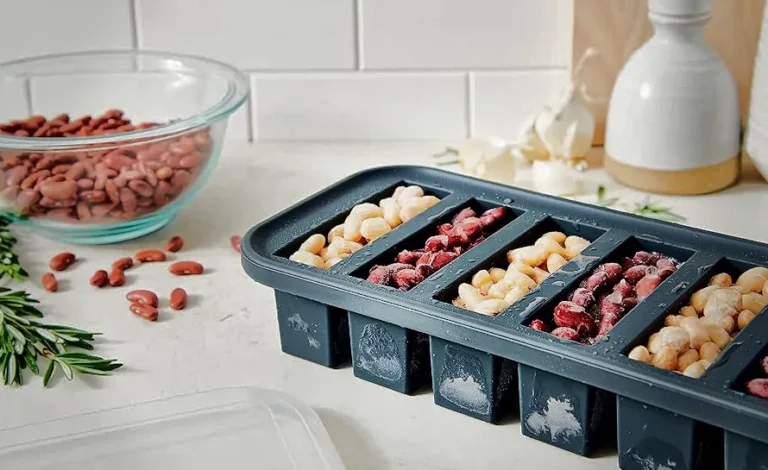
One more trick worth knowing: freeze leftover wine. Pour what you have left into an ice cube tray or a Souper Cubes silicone freezer tray, freeze it, and transfer the cubes or bars to a bag. This is great if you need to deglaze a pan or finish a sauce and you don’t have dry white wine for cooking in the fridge, and they keep for months. It’s slightly wasteful of good wine, but for the remains of an otherwise forgettable bottle? Job done.
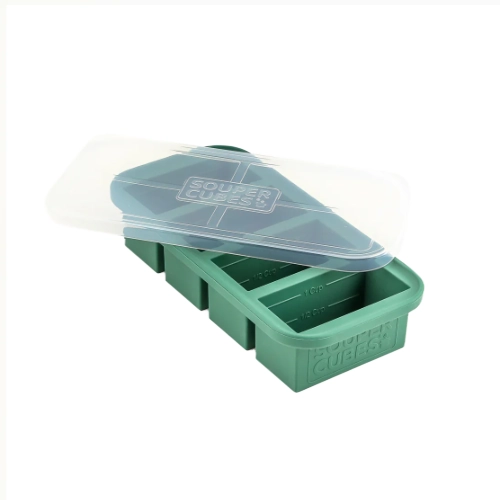
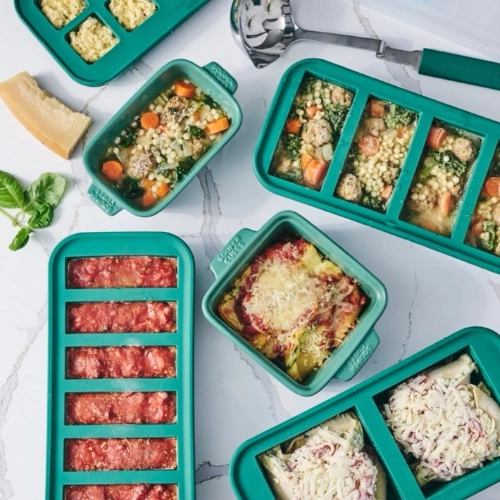
Souper Cubes Silicone Freezer Trays
Find it on Amazon >
How To Deglaze With Wine
Deglazing is one of those techniques that sounds more technical than it is. You’re essentially doing two things at once: cleaning the pan and building a sauce.
After you’ve seared fish, cooked vegetables, or finished a risotto, the bottom of your pan will have a layer of caramelised, browned bits stuck to it. This is called the “fond”, and it’s concentrated flavour. Adding wine to the hot pan lifts it off, the liquid and acidity do the work, and it dissolves into the wine, forming the base of a sauce.
A few things make the difference between a good deglaze and a flat one
- Don’t add good white wine for cooking to a cold pan. It needs to hit a hot surface to sizzle, lift, and reduce properly. Add it to a cold pan and it just sits there getting absorbed.
- Use enough wine. A thin splash won’t do much. You want enough liquid to cover the base of the pan, usually 100-150ml, and then let it bubble and reduce by about half before adding anything else.
- Use a wooden spoon or flat spatula to scrape the bottom of the pan as you add the wine. This is where the flavour is. Don’t leave it sitting there.
- Once the wine has reduced, you can add stock, butter, cream, or herbs depending on what you’re making. The wine does the heavy lifting first; everything else builds on it.
What wine works best for deglazing?
Sauvignon Blanc or Muscadet for fish and vegetables, the acidity and mineral quality come through well. Pinot Grigio or unoaked Chardonnay for creamier sauces where you want the wine in the background. And yes, a splash of dry Champagne or Crémant that’s gone flat after a party works beautifully here too.
✱ One cookware note
Always use a stainless steel pan for wine-based preparations, not aluminium or copper. Both metals react with the acidity in wine and can give your sauce a metallic off-flavour. Stainless steel is non-reactive, which is why professional kitchens use it almost exclusively for sauce work. A good stainless steel sauté pan or saucepan is genuinely one of the more useful things in a French kitchen.
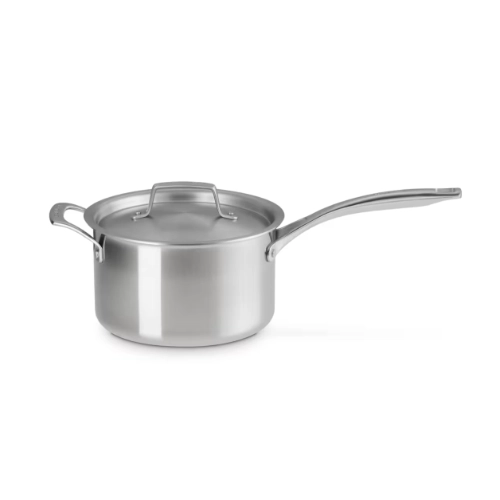
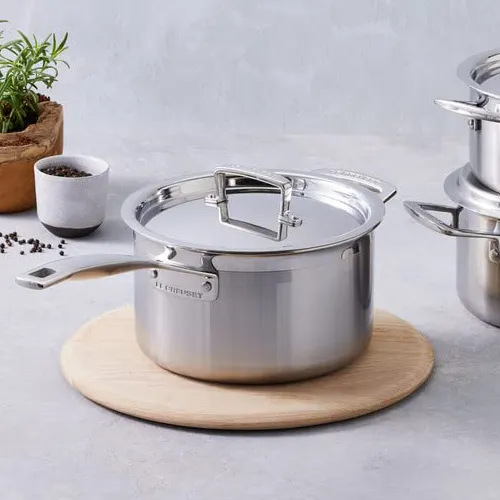
Le Creuset Stainless Steel Saucepan
Find it on Amazon >
White Wine in Marinades
White wine marinades are a slightly different application to cooking with wine, here you’re using the acidity before the heat rather than during it. The principle is the same: acidity tenderises slightly, alcohol unlocks aromatic compounds, and the wine adds flavour that cooks into the flesh.
A few points worth knowing. Fish marinades should be brief, 30 minutes to an hour is usually enough. Longer than that and the acid starts to “cook” the flesh chemically, which can make it mealy rather than tender. Vegetables can go for longer, up to a couple of hours.
These are three simple, genuinely useful marinades:
Classic French herb marinade for fish
White wine, olive oil, lemon juice, a crushed garlic clove, fresh tarragon (or parsley), salt and pepper. 30 minutes maximum. Works brilliantly with cod, sea bass, sole, or salmon. The tarragon is the French detail, it pairs particularly well with fish and is much more common in French kitchens than it tends to be elsewhere.
Dijon and white wine marinade
White wine, Dijon mustard, lemon juice, salt, pepper, and a small pinch of cayenne. This one’s surprisingly good, the mustard emulsifies everything into a proper coating and adds a background warmth. Leave fish in it overnight and bake it straight from the marinade. Picpoul or Muscadet works well here.
Herb and white wine marinade for vegetables
White wine, olive oil, a splash of white wine vinegar, garlic, thyme, and shallots. Particularly good for courgettes, fennel, artichoke hearts, and mushrooms before grilling or roasting. Leave for at least an hour, longer if you have time. The wine softens the vegetables slightly and the acidity stops them from going limp when they hit the heat.
One simple rule across all of them: marinate in a glass bowl or ceramic dish, not metal. The wine’s acidity can react with aluminium, same as with a pan.
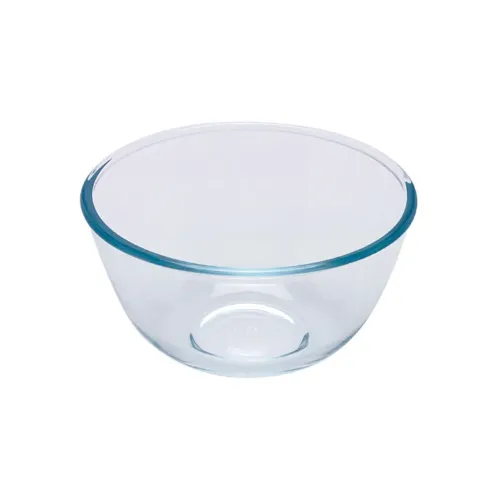
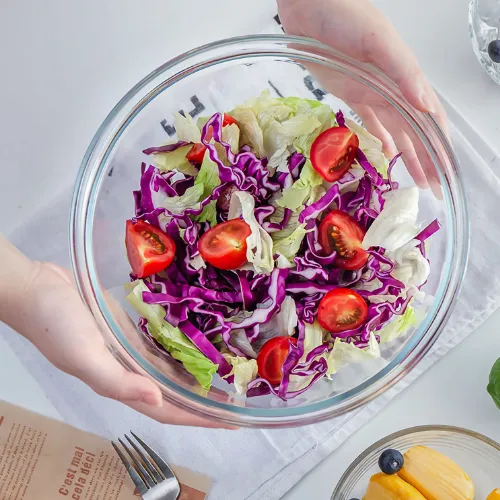
Pyrex Glass Mixing Bowl
Find it on Amazon >
A Few Techniques Worth Knowing
✱ Reduce wine before adding cream
If you’re making a cream sauce, cook the wine first and let it reduce by about half before adding any cream or butter. This drives off the sharper alcohol notes and concentrates the flavour. For cream sauces, cook the wine separately and reduce it to half of what you started with, then add the cream. Add cream to unreduced wine and you risk a slightly harsh, thin result.
✱ Use leftover sparkling wine
A flat half-bottle of Champagne or Crémant after a dinner party is genuinely useful. Brut-labelled sparkling wine is completely dry and works very well as a dry white wine for cooking, the bubbles have already gone, but the acidity and flavour remain. Particularly good in a beurre blanc or a light pan sauce.
✱ The finishing trick
This one is worth knowing: slow-cooked dishes like braises can get away with a lower-quality wine throughout the cook. But add a small splash of something better right at the end, just before serving. It brightens the whole dish and tastes as if that’s what you cooked with the entire time.
What About Non-Alcoholic Substitutes?
White wine does things in cooking that aren’t perfectly replicated by anything else, the acidity, the way it deglazes, the aromatic compounds it unlocks. That said, if you need a substitute for cooking white wine: a mixture of white grape juice and a splash of white wine vinegar gets reasonably close for deglazing and sauces. Vegetable stock works in some applications but doesn’t have the same brightness.
For dishes where white wine is the primary ingredient, moules marinières, beurre blanc, there’s no real substitute that gives you the same result. Use the wine. Or use dry vermouth, which is a fair bit cheaper and keeps much longer.
Recipes That Use White Wine
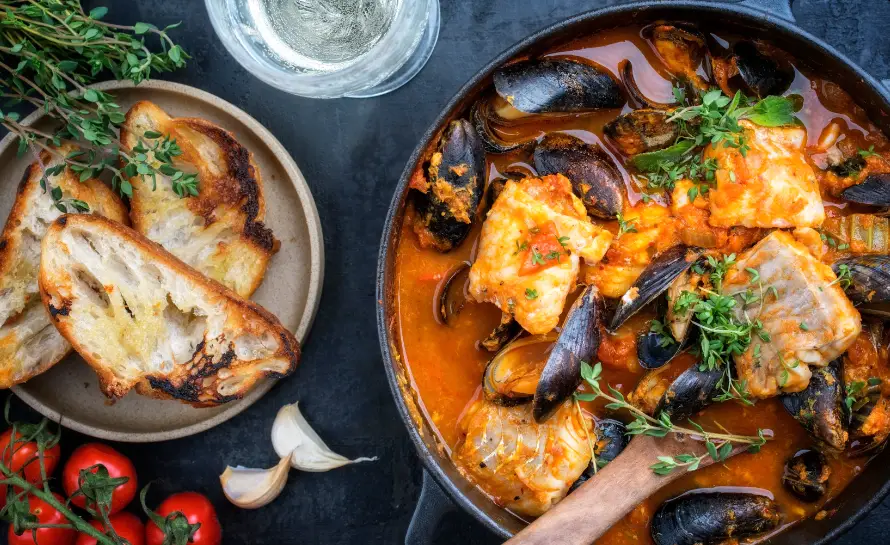
If you’re looking for ideas, take a look at these recipes with wine. Plenty of French classics in there that make good use of everything discussed and makes cooking with wine a pleasure .
Frequently Asked Questions
Can I use any dry white wine for cooking?
Yes, with a few exceptions. Any dry, unoaked white wine with decent acidity will work well in most cooking applications. The varieties to avoid are heavily oaked Chardonnay (gets bitter when cooked), sweet or off-dry wines (the sugar concentrates and makes savoury food taste strange), and anything that’s already started to oxidise.
Can I substitute dry vermouth for white wine in cooking?
Yes. Dry vermouth has a slightly more herbal flavour than plain white wine, but it works well in almost any savoury dish. Use about two-thirds of the amount the recipe specifies, as it’s more concentrated.
How much white wine should I use when cooking?
It depends on the dish. For deglazing a pan, 100–150ml is usually enough. For steaming mussels, 150–200ml. For risotto, about half a glass (100–125ml) goes in at the start. A standard 750ml bottle will last you several cooking sessions if you store it properly.
Final Thoughs
White wine is one of those ingredients that sits quietly in the background of French cooking, doing more work than it gets credit for. A good white wine for cooking is not a special-occasion thing, it’s just part of how food gets made here. A splash into the mussels, a glug to deglaze the pan, a glass poured into the risotto while another gets poured for the cook obviously.
You don’t need a collection of different bottles or a particularly refined palate to use it well. A Muscadet or a simple Sauvignon Blanc will see you through most things. Dry vermouth in the fridge handles the rest. And once you get into the habit of reaching for it, for sauces, for marinades, for the occasional poached pear, it starts to feel less like a technique and more like second nature of cooking white wine as the French do.
Now I’d love to hear from you. Do you regularly cook with white wine, or is it something you’ve always meant to try? And if you do use it, is there a dish where it’s made a real difference for you? Tell me in the comments below!
Just so you know, a few links here earn us a commission. Doesn’t cost you anything extra, and we only link to things that are actually worth your time.