The 13 desserts of Christmas
A healthier sweet, centuries-old tradition
When it comes to Christmas treats, the usual suspects often conjure images of heavy cream-filled cakes, ultra-rich puddings, and sweets loaded with refined sugar and artificial additives. But the 13 desserts of Christmas offer a refreshing, naturally wholesome alternative that’s just as celebratory, yet kinder to the body and more aligned with mindful eating.
What sets these desserts apart is their balance and variety. Natural sugars from fruits and honey replace heavy creams and processed sweeteners. Nuts deliver beneficial fats and satisfying crunch. The tradition encourages grazing and sharing, letting everyone try modest portions of each treat over several days.
For anyone looking to enjoy the festive season with a lighter, more nourishing touch without sacrificing flavour or cultural richness, the 13 desserts of Christmas offer an inspiring and delicious way forward.
The story behind the 13 desserts of Christmas
This tradition began in Provence and is filled with meaning. The number thirteen is important because it represents Jesus Christ and his twelve apostles at the Last Supper. Families in Provence have offered thirteen different desserts on Christmas Eve or during the festive season for centuries. Traditionally, the desserts are arranged on three tablecloths and surrounded by three candles or candelabras. People also include three bowls of Sainte-Barbe wheat to symbolise the Holy Trinity.
Although the exact origin is unclear, the ritual became popular in the early 20th century. Today, it remains an essential part of Christmas celebrations for many families. The thirteen desserts are placed on the table on Christmas Eve and stay there until Saint Stephen’s Day on December 27th. Throughout these days, everyone enjoys relaxed nibbling and plenty of good conversations.
The 13 desserts, also known as calenos
The 13 desserts of Provence, also called calenos, have a long tradition dating back centuries. The term was first recorded in 1683 by Marseille priest François Marchetti, who described a variety of sweets and fruits served at Christmas’s end. The set number of thirteen became standard in the early 20th century, influenced by the Félibrige movement to preserve Provençal culture. While the exact origin of “calenos” is unclear, it likely comes from the Provençal dialect and may relate to the Latin calendae, the start of the month associated with festivals, or simply refer to local cakes and small baked goods.
So, what are the 13 desserts?
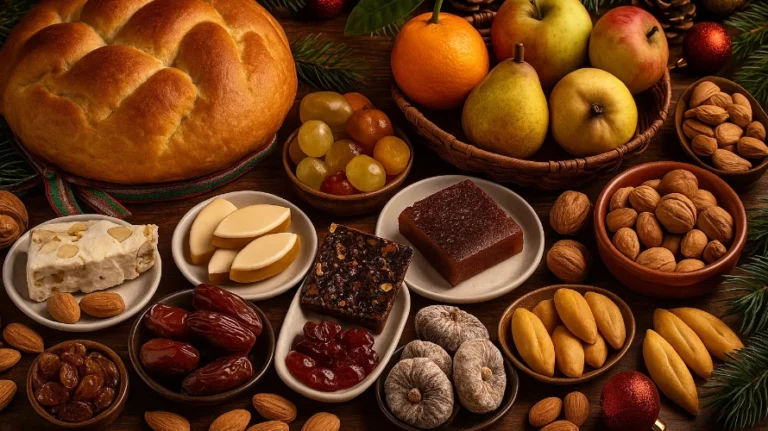
Though there’s no single definitive list, each village and family adds its own flourish as usual, the desserts typically reflect local ingredients, seasonal produce, and symbolic gifts. The thirteen sweets tend to fall into a few familiar categories.
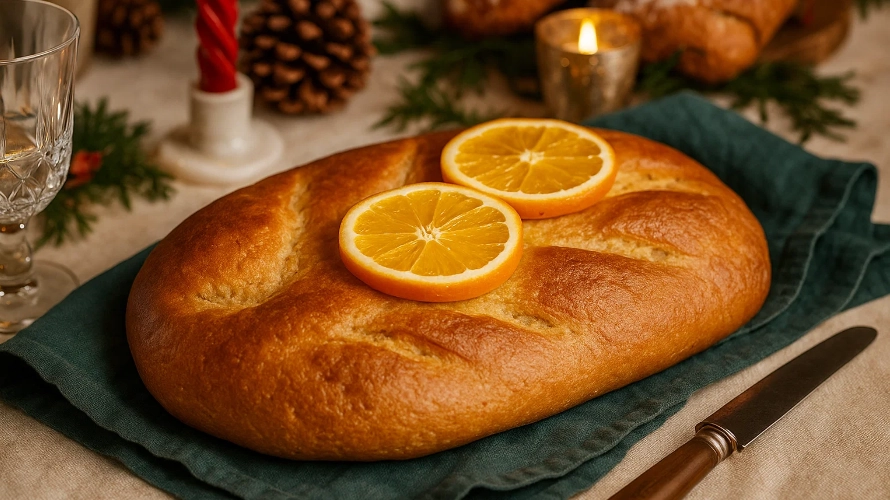
1. Pompe à l’huile: the olive oil flatbread
At the centre of the Christmas table is the pompe à l’huile, a soft, slightly sweet flatbread made from Provençal olive oil and delicately flavoured with orange blossom water. Unlike typical bread, it’s made without yeast or salt and is traditionally torn by hand rather than sliced, an act symbolising sharing and togetherness.
Its texture is moist and tender with a subtle fruity note from the olive oil, while the hint of orange blossom lends a gentle floral aroma. The name “pompe” refers to the dramatic flair of breaking bread together, a ritual passed down through generations. This bread is often enjoyed with other desserts or simply on its own as a quiet nod to heritage.
2. White nougat
White nougat (nougat blanc) is a soft, chewy confection made from honey, sugar, egg whites, and a generous helping of almonds and pistachios. The use of egg whites gives it a light, airy texture that contrasts with the crunch of the nuts.
The taste is honey-sweet and nutty with subtle floral undertones, making it a mellow, indulgent treat. Traditionally, white nougat represents the light and hope in life’s balance, a counterpart to the darker black nougat. It’s a little lesson in contrast and harmony on the festive table.
3. Black nougat
In contrast stands the black nougat (nougat noir), dense and firm, made almost entirely from honey and almonds without the egg whites that lighten the white variety. Dark, sticky, and intensely sweet, it offers a more robust and earthy honey flavour, with a satisfying crunch.
This nougat symbolises the hardships and challenges of life, balancing the sweetness of joy with the bitterness that’s sometimes necessary to appreciate it. Together with white nougat, it forms a philosophical duo on the Christmas table, reminding each diner of life’s full spectrum.
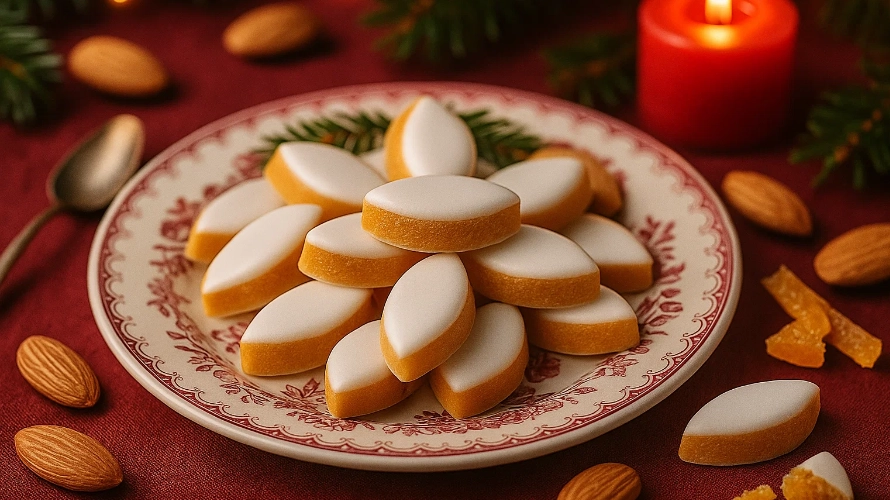
4. Calissons d’Aix
The calisson d’Aix is Provence’s famous confection that dates back to at least the 15th century. Made from a finely ground mixture of sweet almonds, candied Provençal melon, and orange peel, this paste is spread over a thin wafer and topped with a smooth layer of royal icing.
Its flavour is both nutty and lightly citrusy, offering a unique combination of textures, soft and chewy paste balanced by a crisp wafer base and a delicate icing finish. The recipe has remained unchanged, preserved by the expert hands of local confectioners, making calissons a symbol of the region’s culinary artistry and heritage.
6. Dates
Dates are included in the 13 desserts for their symbolic significance, representing the connection to the Holy Land and Christ’s journey. Their sticky, chewy texture offers a rich, caramel-like sweetness that complements the lighter, biscuit desserts.
Dates also bring an exotic note to the table, a reminder of Provence’s historical trade routes and the blending of cultures that enrich French culinary traditions.
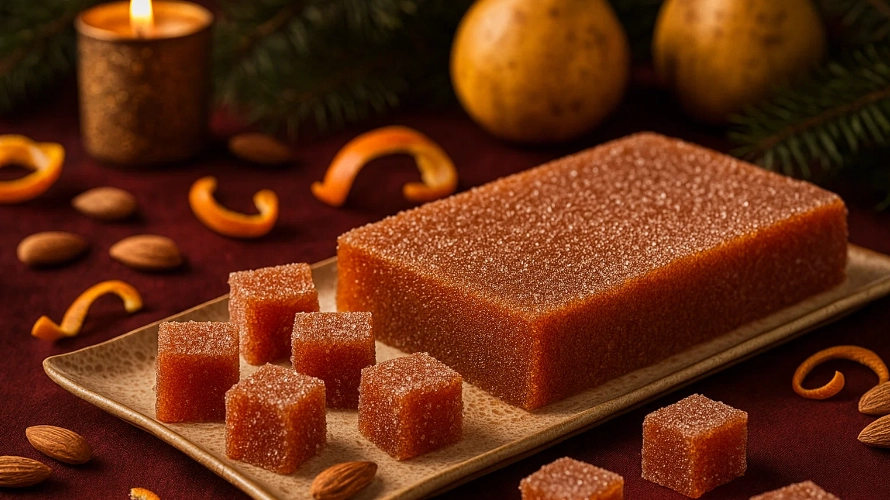
5. Quince paste
Quince paste (pâte de coing) is a firm jelly made from cooking down the quince fruit, typically harvested in autumn. The result is a deep amber block with a sweet, tangy flavour and a slightly grainy texture.
Quince paste celebrates the harvest and the tradition of preserving fruit for the colder months. Its tartness cuts through the sweetness of other desserts on the plate, offering a refreshing contrast and evoking the changing seasons.
7. Fresh winter fruit
A selection of fresh fruits such as oranges, apples, pears, tangerines, and grapes often find their way onto the Christmas table. These fruits add a splash of vibrant colour and a natural freshness that contrasts with the richness of other sweets.
Oranges, with their bright colour and zesty aroma, evoke the Mediterranean sun, while grapes tie in with the region’s longstanding winemaking traditions. These fruits are a nod to the earth’s gift, reminding us to celebrate natural abundance amidst the indulgence.
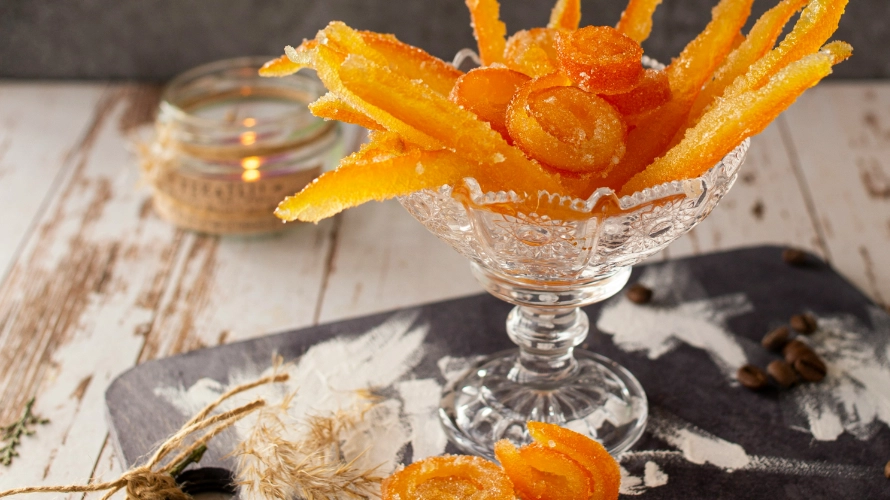
8. Candied fruits
Candied fruits, particularly those from the town Apt (such as citron, melon, and cherries) bring a jewel-like sweetness to the table. “La Maison du Fruit Confit” has a huge variety of the best candied fruits from Apt. The slow candying process transforms these summer fruits into brightly coloured, glossy morsels infused with sugary syrup.
Their intense sweetness contrasts with the fresh fruits and adds a textural complexity that delights the palate. They’re a testament to Provençal skill in preserving the harvest and celebrating nature’s gifts throughout the year.
The four beggars
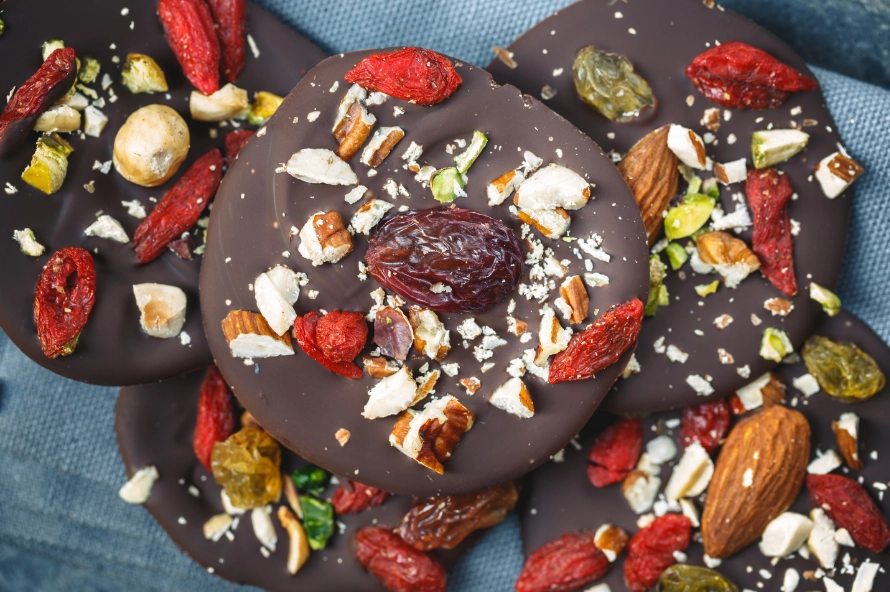
The four beggars (les quatre mendiants) play a special role, they are the four nuts and dried fruits representing different monastic orders. These simple ingredients honour the monks’ vows of poverty and humility.
The “beggars” chocolates are traditionally part of the 13 desserts of Christmas. These are small discs of chocolate topped with nuts and dried or candied fruits. The toppings represent the four mendicant monastic orders, symbolising the Dominicans (raisins), Franciscans (dried figs), Carmelites (almonds), and Augustinians (walnuts or hazelnuts).
9. Raisins
Among the four beggars, raisins represent the Dominican order. These tiny dried grapes pack an intense sweetness and chewy texture that contrast beautifully with the other desserts on the table. Raisins add a sun-kissed note reminiscent of the warmth of the Provençal vineyards where they’re traditionally grown. Simple yet essential, their presence honours the monks’ vow of poverty and the region’s agricultural heritage.
10. Dried figs
The dried figs symbolise the Franciscans, another mendicant order. With their soft flesh and slightly earthy, honeyed flavour, figs bring depth and complexity to the sweet spread. Their natural sugars offer a mellow richness that pairs perfectly with nuts and fresh fruit alike. Like the other “beggars,” dried figs remind everyone of humility and the simple gifts of the land.
11. Almonds
Almonds stand for the Carmelites, the third monastic order honoured on the table. Their crunchy texture and mildly sweet, buttery flavour make them a natural counterpoint to softer desserts. Almonds have long been cultivated in Provence and are woven into many regional recipes, reinforcing the connection between these sweets and the land’s bounty.
12. Walnuts or hazelnuts
The last of the four beggars are traditionally walnuts or sometimes hazelnuts, representing the Augustinians. Their robust, earthy flavour and firm bite add texture and richness to the dessert array. These nuts bring a grounding presence, symbolising endurance and simplicity, qualities revered both in monastic life and Provençal culture.
13. Navettes or muscat grapes
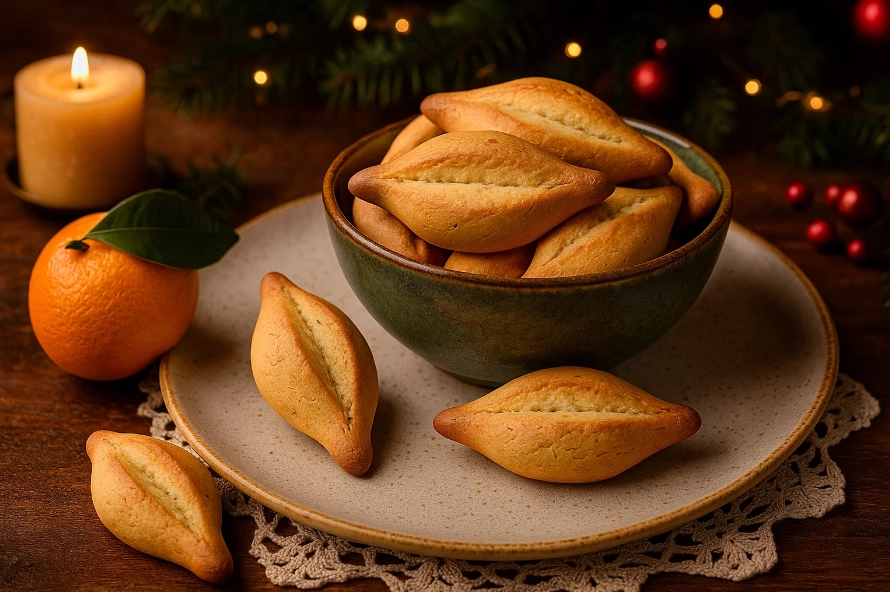
Rounding out the thirteen is often the navette, a small, boat-shaped biscuit flavoured with orange blossom water. According to local lore, these biscuits are inspired by the boat Mary Magdalene used to reach Provence, blending legend and flavour in one fragrant bite.
Alternatively, some tables include Muscat grapes, prized for their natural sweetness and association with Provençal vineyards. Occasionally, other festive sweets like chocolate-covered almonds or fruit tarts make an appearance, tailored by family tradition but always respecting the spirit of the thirteen desserts.
Celebrating tradition, flavour, and community
If a heavy pudding doesn’t appeal, why not bring the flavours of Provence into your home? Gather friends or family, set out thirteen treats, and savour the joy of sharing stories and heritage. The 13 desserts of Christmas in Provence invite you to celebrate with lighter ingredients, vibrant history, and is community-minded, one delicious bite at a time.
Just so you know, a few links here earn us a commission. Doesn’t cost you anything extra, and we only link to things that are actually worth your time.